Cornell University bans fraternity parties for the rest of the year after sex abuse lawsuit
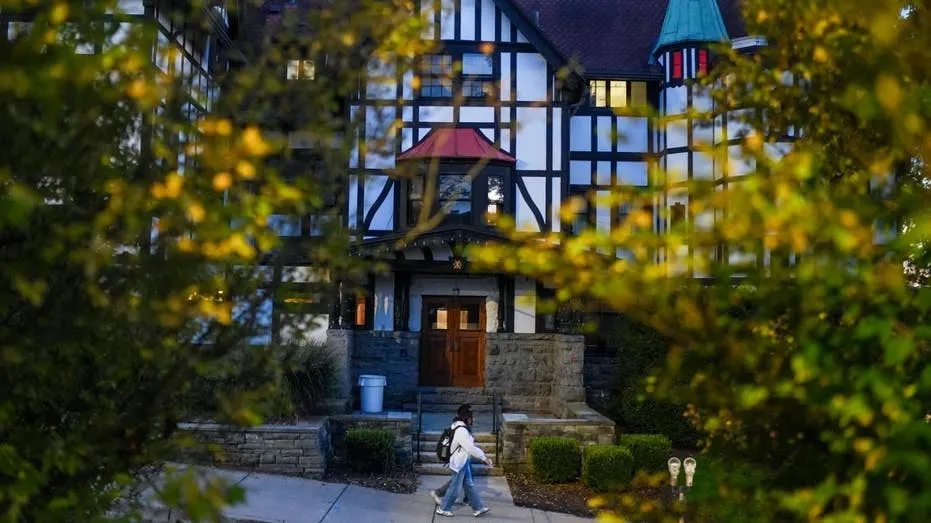
Cornell University has suspended parties and social events at Interfraternity Council houses for the rest of the 2026-2027 academic year after a student filed a lawsuit alleging she was sexually assaulted by seven men at the Chi Phi house in 2024. President Michael Kotlikoff said the pause would allow a review of fraternity life and pledged better support for survivors.
The alleged assault took place on 19 October 2024, and the student reported it to campus police several weeks later. Cornell suspended the fraternity and investigated; prosecutors did not bring charges, citing differences between the student’s sworn statement and allegations in her police interview. New York’s attorney general’s office has been appointed special prosecutor, while former US Deputy Attorney General Sally Yates is conducting a separate review.
- Cornell has suspended fraternity house parties for the rest of the academic year.
- The ban follows a lawsuit alleging a 2024 assault by seven men.
- State investigators and former Deputy Attorney General Sally Yates are reviewing the case.
New here? Start with this
Cornell University is a private university in Ithaca, New York. Its fraternities are student organisations, and those affiliated with the Interfraternity Council hold social events at their houses. Cornell’s president, Michael Kotlikoff, oversees the university.
A student has sued over an alleged assault at the Chi Phi fraternity house in October 2024. She reported it to campus police weeks later; prosecutors did not bring charges, citing differences between her sworn statement and her police interview. The New York attorney general’s office has been appointed special prosecutor, and former US deputy attorney general Sally Yates is conducting a separate review.
Both sides, in good faith
The strongest fair case each way — we don't pick a winner.
The case for
A year-long pause gives Cornell time to review fraternity practices and reduce opportunities for harm while the university examines a serious allegation and improves support for survivors. A temporary, campus-wide measure may be justified even before legal proceedings conclude, provided it is treated as precautionary rather than as a finding about the accused or fraternity members generally.
The case against
Suspending parties across all Interfraternity Council houses may penalise students and organisations unconnected to the allegation, and could disrupt social life without addressing the specific risks that a review identifies. Because prosecutors have not brought charges and a special prosecutor and independent review are still examining the case, critics may argue that Cornell should use targeted safeguards and preserve fair process while those inquiries proceed.