Stirling Provost defends apology for historic witchcraft persecution
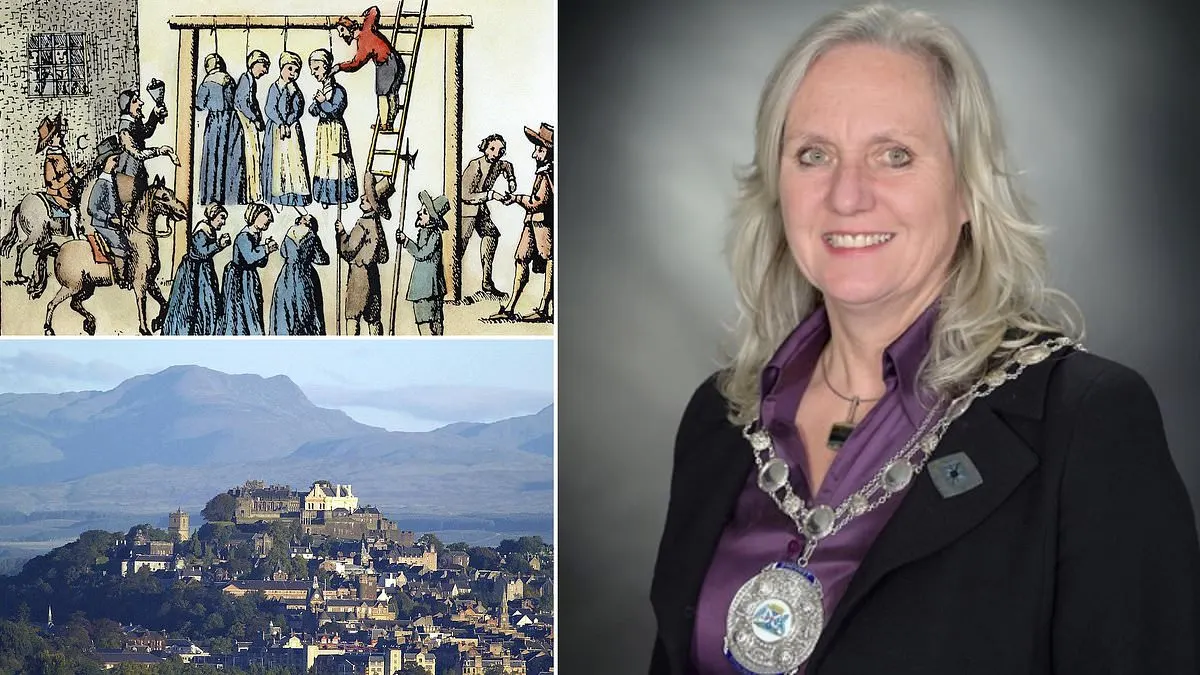
The SNP-led Stirling Council has approved a motion to formally apologise for the historical persecution of people accused of witchcraft and to commission commemorations for them. The council's Lord Provost, Rosemary Fraser, defended the move against criticism from Conservative councillors who claimed it was a distraction from more pressing issues such as filling potholes, tackling crime and building more houses.
The motion acknowledges the injustice suffered by those accused of witchcraft in Stirling and asks council officers to explore appropriate ways of commemorating those persecuted, who were predominantly women across the 16th, 17th and 18th centuries. In response to accusations of misplaced priorities, Fraser pointed out that the council had simultaneously increased spending on roads by £3 million and improved other services, arguing that councils can "multitask" and that acknowledging historical wrongs whilst addressing contemporary challenges is part of properly serving communities.
- SNP-led Stirling Council approves witchcraft persecutions apology
- Conservative opposition claims it distracts from key services
- Council insists it can tackle both past injustices and present challenges
New here? Start with this
Witchcraft prosecutions in Stirling between the 16th and 18th centuries resulted in the persecution of hundreds of people, predominantly women. These accusations often led to trials, convictions and executions, representing a dark chapter in the town's history.
In recent years, Scottish communities and councils have begun formally acknowledging these historical injustices through apologies and commemorations. Such recognitions aim to honour the memory of those wrongly persecuted and to mark an important but painful part of local heritage.
Discussions about how local authorities should balance commemorating historical wrongs with addressing immediate community needs such as road maintenance and crime reduction reflect different views on local government priorities. These debates reveal varying perspectives on what it means to serve a community effectively.
Both sides, in good faith
The strongest fair case each way — we don't pick a winner.
The case for
The council's action represents an important acknowledgement of historical injustice affecting predominantly women over centuries, and communities have a legitimate interest in remembering past wrongs. Critically, the council has not sacrificed contemporary services—road spending has increased by £3 million and services improved—so the apology represents a modest symbolic gesture compatible with maintaining investment in current needs. Councils can reasonably pursue both moral acknowledgement and practical service delivery, and excluding historical recognition from civic life risks leaving past suffering unacknowledged.
The case against
Whilst historical injustices merit remembrance, councils face genuine pressure to address immediate, tangible problems affecting residents daily: crumbling infrastructure, crime prevention and housing shortages. Even if not strictly zero-sum, council attention and energy are practically finite, and prioritising historical commemorations—however morally defensible—risks suggesting these symbolic gestures take precedence over urgent contemporary crises. Residents struggling with potholes and housing insecurity might reasonably argue that council focus should prioritise solving the problems affecting people's lives today rather than commemorating wrongs from centuries past.
Read the full article at the source →
Originally published by Daily Mail as “Council chief insists witchcraft apology is NOT a distraction from the ‘day job’”.