Council wants pubs in London’s Soho and West End to ban standing
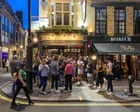
Westminster council has drawn up a draft licensing policy that discourages "vertical drinking" in pubs and bars across Soho and the West End, one of Europe's busiest nightlife districts, effectively pushing venues towards table service instead of the traditional practice of ordering and standing at the bar. London mayor Sadiq Khan has attacked the proposals as "restrictive and anti-growth", arguing they would harm venues that need support, and says he intends to use new powers being granted by government to intervene in local licensing decisions.
The policy, currently out for public consultation, recommends venues encourage more seating and table service "in place of open bar space that caters for high volume vertical drinking", with alcohol and food sold "by waiter or waitress service only". Licensing lawyer Philip Kolvin KC warned this could undermine the sociable, mixing culture of traditional pubs. The council also wants to bar new pubs, bars, fast-food outlets and entertainment venues from opening in its "cumulative impact zone" covering Soho and much of the West End, a move that follows criticism of the council-funded Soho Society, which recently voted to object to all new bar and restaurant licence applications in the area.
- Westminster council drafts policy discouraging standing/bar-ordering in pubs
- Sadiq Khan calls the plan "anti-growth" and vows to intervene
- Council also seeks to block new pubs and bars opening in Soho/West End
Both sides, in good faith
The strongest fair case each way — we don't pick a winner.
The case for
Supporters of the restriction argue that dense concentrations of standing drinkers in Soho and the West End contribute to overcrowding on pavements and inside venues, making it harder for staff to monitor safety, prevent overserving, and respond quickly to trouble. They see the measure as a proportionate public-order and licensing tool, aimed at reducing noise, congestion and antisocial behaviour for residents and other businesses in a famously packed entertainment district, rather than as an attack on pub culture itself. From this perspective, sensible management of crowded venues protects both patrons and the long-term viability of the area as a place people want to visit.
The case against
Opponents, including the Mayor of London, contend that telling packed, popular pubs how their customers may stand or gather is exactly the kind of prescriptive, top-down intervention that discourages investment and growth in London's hospitality sector at a time when it is already under pressure from costs and changing consumer habits. They argue that standing at the bar and mingling is a deeply rooted part of British pub culture, that operators are best placed to manage their own premises safely, and that such rules risk being seen as bureaucratic overreach that damages London's reputation as a vibrant, business-friendly capital.