Country star Cody Johnson says Nashville wanted to change him before success
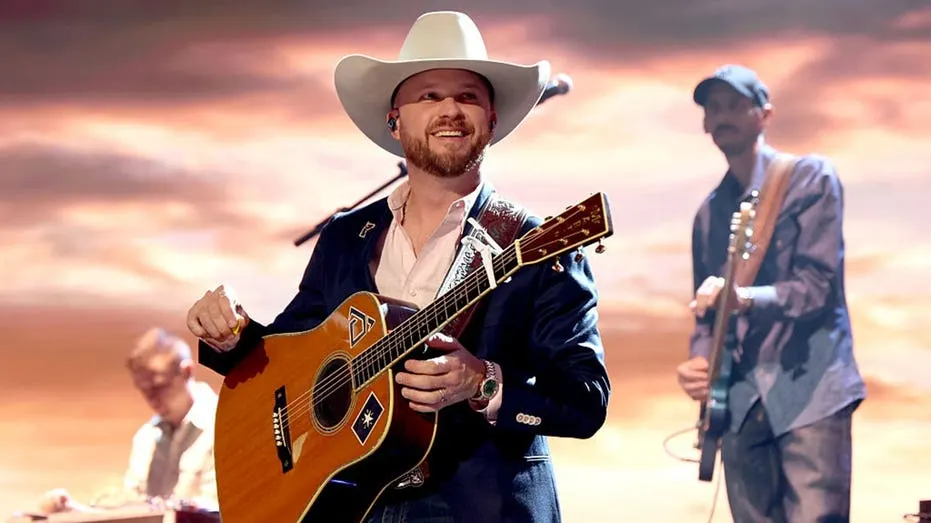
Cody Johnson says he turned down an early record deal after executives suggested he replace his trademark cowboy hat with a baseball cap. He saw the suggestion as a demand to change his identity to succeed, and chose to build a career independently instead.
Johnson spent the following decade playing bars and honky-tonks, selling CDs at rodeos and facing financial strain and time away from his family. After injuries ended his rodeo ambitions, he pursued music despite doubting he could reach his goals; later, labels returned with an offer that let him keep his image. He has since sold out arenas and become a leading country performer.
In short
- Johnson rejected a deal that asked him to change his look.
- He built his career independently over a decade.
- Later label interest let him remain authentic.
Steelman: both sides, in good faith
The strongest fair case each way — we don't pick a winner.
The case for
Johnson’s refusal can be seen as protecting artistic integrity and the connection with fans who valued his authentic image. Building a career independently also let him pursue success on his own terms, even when that meant years of financial strain and sacrifice.
The case against
A record label could reasonably argue that adapting an image is part of presenting an artist to a wider audience, and that a baseball cap was a marketing suggestion rather than a rejection of his music. Labels invest in careers and may offer commercial guidance they believe can improve an artist’s chances, while Johnson’s later success does not mean the independent route was the only sound choice.
Explained simply
Nashville is the centre of the US country music industry, where record labels sign artists and help produce and promote their music. A record deal can provide money and access to a wider audience, but artists may also face suggestions about how to present themselves.
Cody Johnson is a country singer from Texas whose cowboy hat has become part of his public image. Before becoming widely successful, he spent years performing in bars and at rodeos while building his audience independently.
His story reflects a broader question in country music: how much should performers adapt their image to meet industry expectations? It also shows the trade-offs between accepting a label’s support and trying to retain control over how an artist is presented.