Couple’s delight as plans for Sheffield field greenlit despite noise, traffic and environment fears
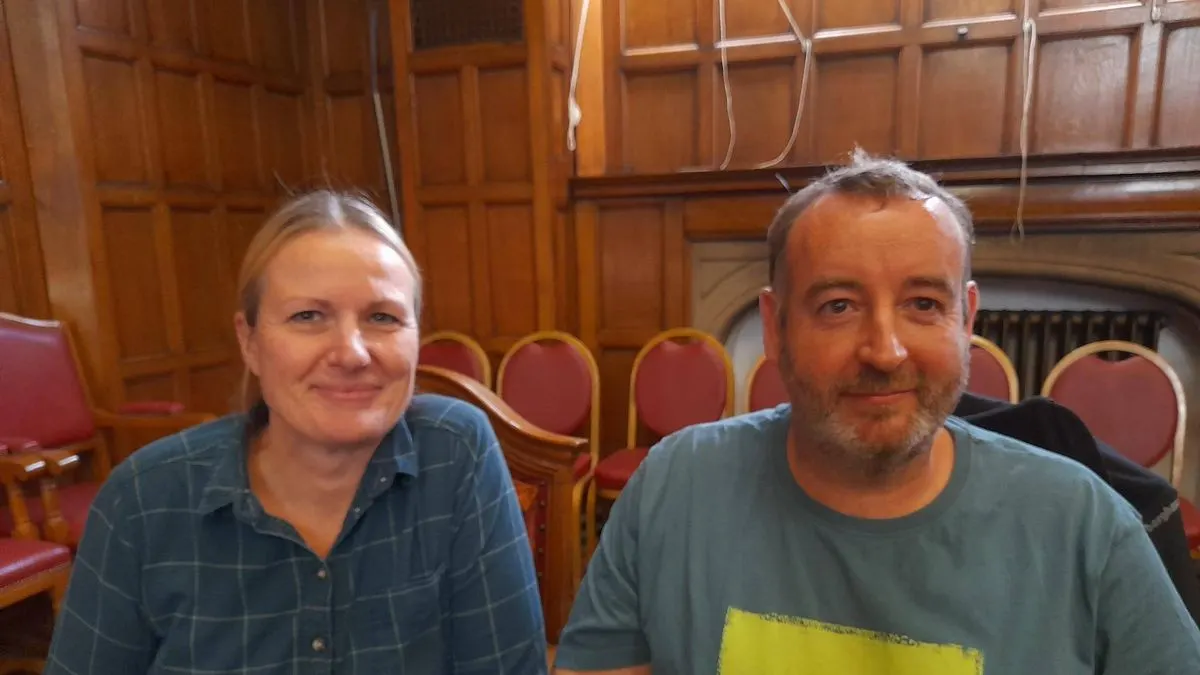
Elizabeth and John Clare have won planning approval for a hired dog park in Sheffield’s Rivelin Valley, after councillors weighed concerns about noise, traffic and the environment. The decision allows the couple to develop the site while keeping it open space, and reflects a divided committee’s view that the proposal can support responsible dog ownership.
The committee voted nine to two in favour, with one abstention, after receiving 21 objections and 20 letters of support. Each hourly booking may include up to six dogs from no more than two households; proposed hours are 7am to 8pm, with shorter opening in autumn and winter. Highways officers estimated 13 additional vehicles a day, while officials judged noise acceptable and said bird boxes would help deliver a 10 per cent biodiversity gain.
- Sheffield approved a new Rivelin Valley dog park.
- Each hourly session can include up to six dogs.
- Councillors accepted traffic and noise assessments despite objections.
New here? Start with this
Rivelin Valley is an area of open land in Sheffield, where planning decisions can affect how the land is used and its surroundings. A hired dog park lets owners book a fenced space for their dogs to exercise, rather than using a public park.
Elizabeth and John Clare proposed setting up the facility on a field while keeping it as open space. The plans prompted differing views from local residents and officials, including concerns about noise, extra traffic and effects on wildlife.
The decision involved balancing those concerns with the proposed use of the field and the rules for bookings and opening hours. It matters to people who live nearby, dog owners looking for places to exercise their pets, and those concerned about the valley’s environment.
Both sides, in good faith
The strongest fair case each way — we don't pick a winner.
The case for
A bookable, controlled dog park could give owners a safe place to exercise their dogs while limiting each session to a small group. Supporters can point to the council’s assessment that traffic and noise would be acceptable, and to the proposed bird boxes and biodiversity gain as ways to address environmental concerns while keeping the land open space.
The case against
Residents may reasonably worry that regular bookings will bring more vehicles and noise to a valued valley, even if official estimates judge the impact acceptable. They may also question whether bird boxes and a proposed biodiversity gain adequately protect the site’s character and wildlife, and whether commercial use is appropriate for this open space.