Critical launch for Vulcan as ULA targets Friday the 13th
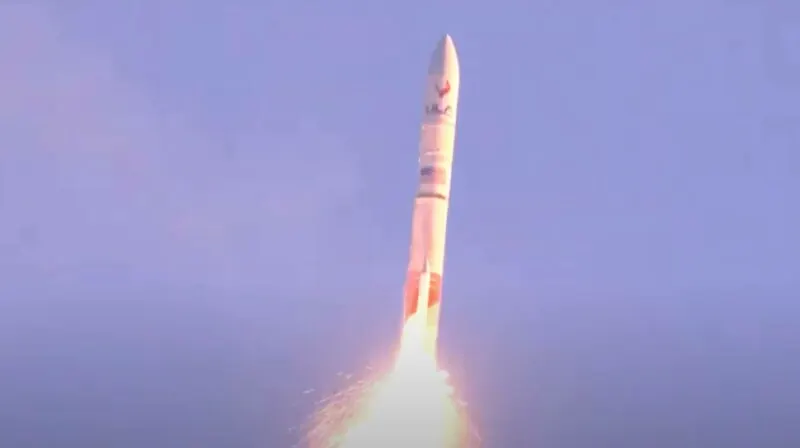
United Launch Alliance is targeting Friday 13 November for Vulcan’s return to flight, carrying 40 Amazon Leo satellites into orbit. The launch matters because Vulcan has been grounded while ULA investigated recurring problems with its solid rocket boosters, and Amazon has booked 38 Vulcan missions to expand its satellite constellation.
The rocket will use two BE-4 engines and six solid rocket boosters, with a Centaur V upper stage powered by two RL10C-1 engines. On an earlier flight, an SRB nozzle suffered a significant performance anomaly, although the Space Force payload reached orbit; a nozzle had also been shed on Vulcan’s second launch in 2024. ULA says it has introduced nozzle design and process improvements, but has not published the investigation’s findings, and plans further testing alongside the mission.
In short
- Vulcan is targeting a 13 November return to flight.
- The mission will carry 40 Amazon Leo satellites.
- ULA says it has improved the booster nozzle design.
Steelman: both sides, in good faith
The strongest fair case each way — we don't pick a winner.
The case for
A return to flight would show that ULA has identified and addressed the booster problems, while allowing Amazon to advance a large satellite programme that depends on Vulcan’s planned launch capacity. Proceeding with the flight could also provide valuable evidence about the nozzle improvements under real operating conditions, supporting confidence in the rocket and its future missions.
The case against
Because the investigation’s findings have not been made public and the booster issue has recurred, critics can reasonably argue that one more test flight is not enough to establish that the changes have worked. Delaying until ULA completes further testing and shares more detail could prioritise payload reliability and public confidence, even at the cost of postponing Amazon’s deployment plans.
Explained simply
United Launch Alliance (ULA) is a US rocket company that launches satellites and other spacecraft. Vulcan is its newest rocket, designed to carry heavy payloads into space using main engines and additional solid rocket boosters attached to its sides.
The solid boosters help provide extra thrust during launch, but Vulcan has been grounded while ULA investigates repeated problems involving their nozzles. An earlier flight still delivered its Space Force payload to orbit despite a nozzle performance problem, and a nozzle was also shed during Vulcan’s second launch in 2024.
Amazon has booked 38 Vulcan launches to help build its Leo satellite network, which is intended to provide internet services from space. The planned mission would carry 40 of those satellites, so Vulcan’s reliability matters to both ULA’s launch business and Amazon’s expansion plans.