Cut public spending rather than raising taxes on banks, IMF warns Healey
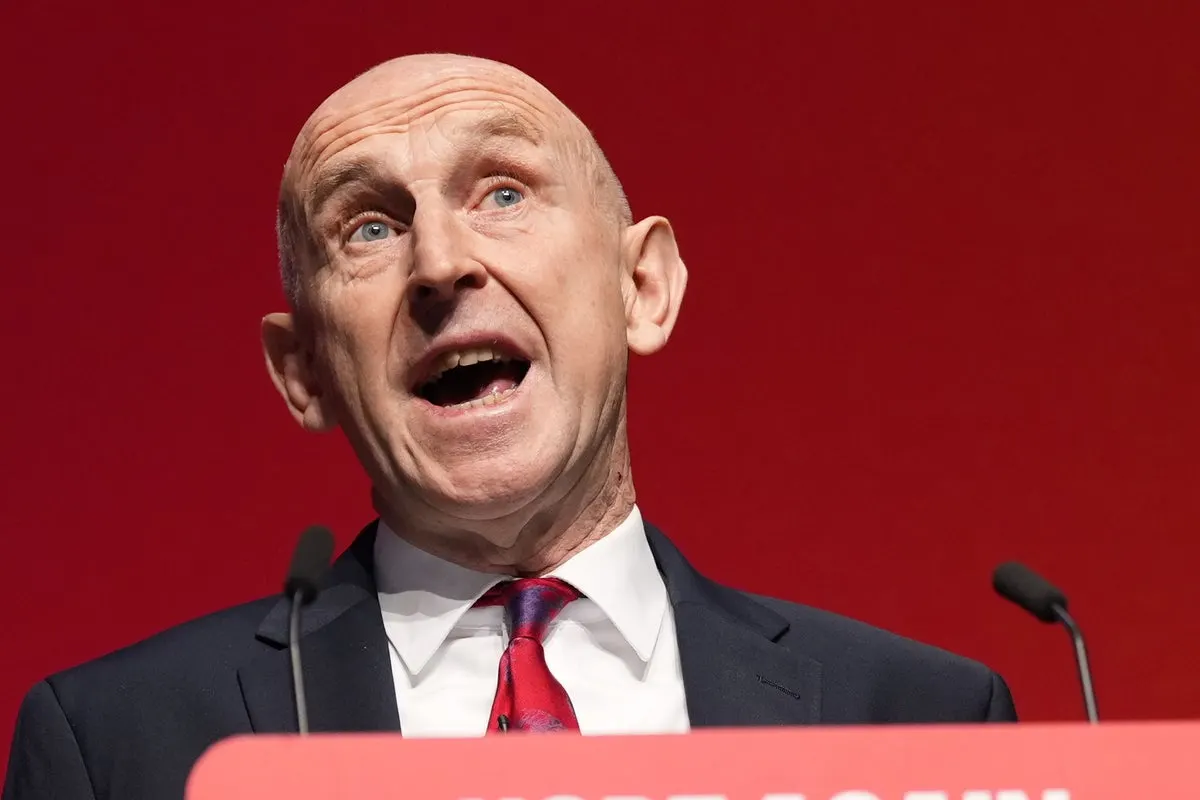
The IMF has advised Chancellor John Healey to consider reducing public spending rather than raising taxes on banks as he prepares the Budget. The warning matters because the Government is seeking to address fiscal pressures, while a bank tax increase has been proposed as a way to raise revenue.
The IMF’s Helge Berger said UK taxes are already about 40% of GDP and pointed to changes such as reforming the property tax, broadening VAT and better targeting benefits. Healey is reportedly weighing whether to restore the bank profits surcharge from 3% to 8%; campaigners have proposed raising it to 16%, while industry groups warn higher taxes could deter investment and jobs.
- IMF advises spending restraint over higher bank taxes.
- Healey is reportedly considering restoring the surcharge from 3% to 8%.
- Campaigners and business groups disagree over the effects.
Both sides, in good faith
The strongest fair case each way — we don't pick a winner.
The case for
Those favouring higher taxes on banks argue that the sector can contribute more to easing fiscal pressures, particularly if a surcharge increase raises revenue without placing the full burden on households or public services. They may see this as a fair way to ask a profitable industry to support public finances, while funding priorities voters value.
The case against
Those favouring spending restraint argue that taxes are already high relative to the economy and that further increases could discourage bank investment, lending and jobs. They may prefer savings and broader reforms to benefits, property taxes or VAT, which they see as a more durable way to manage the deficit than singling out one industry.