D-Day for Netanyahu as Israel goes to the polls: 70,000 expat voters could kick out Bibi in election today
Developed over time first seen 8 hours ago
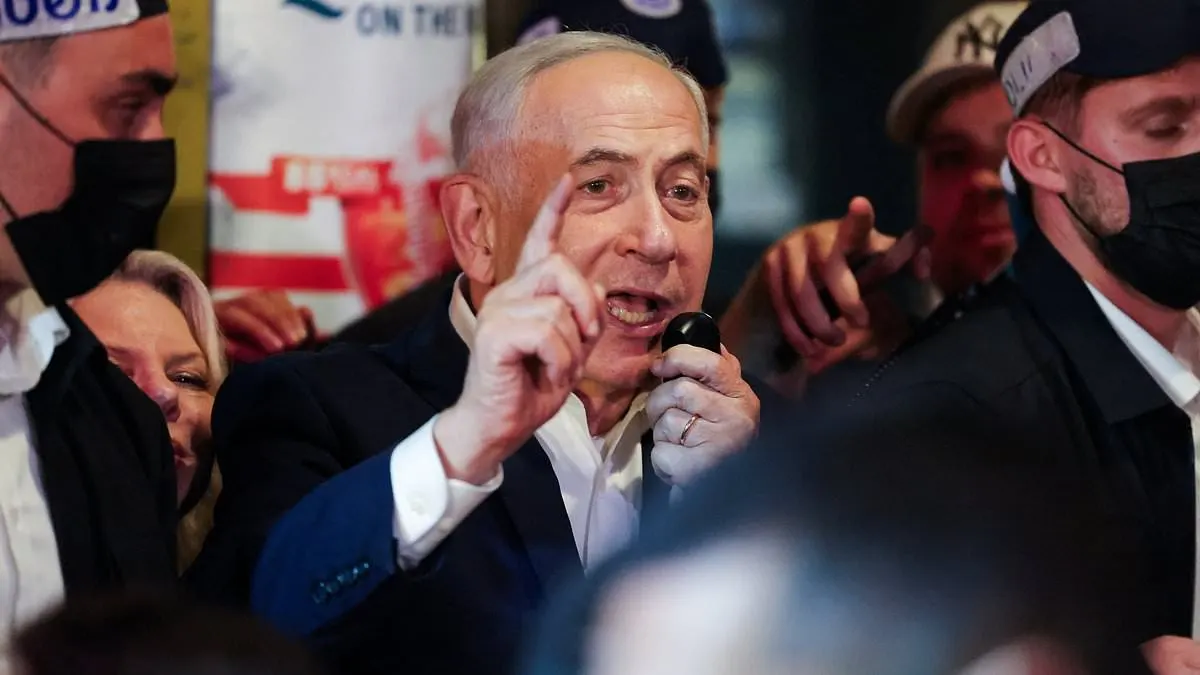
Israelis are voting in the country’s first election since the 7 October attacks, with Benjamin Netanyahu’s leadership under pressure from former army chief Gadi Eisenkot. The campaign has become a test of public trust in Netanyahu over the security failures and his handling of the aftermath, while he points to military gains against Hamas, Hezbollah and Iran.
Recent polls put Eisenkot’s Yashar party a few seats ahead of Netanyahu’s Likud, but neither result alone would settle who governs. An estimated 67,000 to 70,000 Israelis living abroad are returning to vote, many reportedly hoping for a change in leadership; most must cast ballots in person. The next government will need support from at least 61 of the Knesset’s 120 members, making coalition talks central to the outcome.
- Sources
- 2
- Outlets
- 1
- Left · Centre · Right
- 0 · 0 · 2
In short
- Israel’s first election since the 7 October attacks is under way.
- Polls put Eisenkot’s party a few seats ahead of Likud.
- The next government will need 61 seats in the 120-member Knesset.
How this story developed
- 2 hours ago Israelis are voting in the country’s first election since the 7 October attacks, with Benjamin Netanyahu’s leadership under pressure from former army chief Gadi Eisenkot.
Full account
Israelis went to the polls on Tuesday in their first general election since the Hamas-led attack of 7 October 2023. The vote will test whether Benjamin Netanyahu, the country’s longest-serving prime minister, can retain power after nearly three years of war and argument over the security failures that preceded the attack. His principal challenger is Gadi Eisenkot, a former military chief. Polling suggests a close contest, but neither man’s standing against the other will, by itself, determine who governs.
The attack remains present in public life and in the campaign. Families of people killed that day and of former hostages observed a moment of silence in Tel Aviv as voting began. Netanyahu has pointed to Israel’s military campaigns against Hamas in Gaza, Hezbollah in Lebanon and Iran, while resisting calls to accept personal responsibility for the failures of 7 October. Eisenkot has challenged both his account of those failures and his claims about what the wars have achieved. Voters quoted at polling stations described sharply different priorities: some wanted a change of leadership and a less divided country; others regarded Netanyahu’s experience and approach to security as reasons to keep him in office.
The contest has drawn Israelis living overseas back to vote in person. Estimates cited in the reporting put the number returning at roughly 70,000, although that figure does not establish how they will vote. One woman who travelled from north-west London told the Daily Mail that she intended to support Eisenkot because she wanted different leadership and was concerned about the influence of the far right. Her view illustrates the strength of feeling among some returning voters, but it cannot be taken as representative of them all. US President Donald Trump, meanwhile, publicly urged Israelis to back Netanyahu, linking his support to their shared stance on Iran.
About 7.3 million people are eligible to vote for parties competing for seats in the 120-member Knesset. A governing coalition needs at least 61 seats, and no party has ever secured that majority alone. The outcome therefore depends on the strength of each party’s potential allies as well as its own result. Even if Eisenkot’s party finishes ahead of Netanyahu’s Likud, negotiations could take weeks or months and could still produce several possible governments. The election may give a clear indication of voters’ judgement on Netanyahu’s leadership, but the identity of the next prime minister may remain unsettled after ballots are counted.
Where outlets differ
From the full account, which is AI-written from the sources:
The Daily Mail account concentrates on Netanyahu’s personal political prospects, Trump’s endorsement and an expatriate voter who supports Eisenkot. The Associated Press report gives more attention to voters on both sides, scenes at polling stations and the coalition negotiations that will follow.
The Daily Mail presents roughly 70,000 returning expatriates as a possible force for removing Netanyahu and says many are expected to support his opponent. AP says tens of thousands have returned but does not infer their collective voting preference.
The Daily Mail says Netanyahu narrowly trails Eisenkot. AP characterises the polling as close and stresses that party results alone will not decide who forms a government.
Steelman: both sides, in good faith
The strongest fair case each way — we don't pick a winner.
The case for
Supporters of replacing Netanyahu argue that the 7 October attacks exposed grave failures of leadership and that voters should entrust the response and future security to new leaders. They see Eisenkot’s military experience and the prospect of a change in government as a chance to restore public trust and reassess policy. Returning expatriates who favour change may view voting in person as a meaningful way to influence that choice.
The case against
Supporters of Netanyahu argue that his record should be judged alongside Israel’s military gains against Hamas, Hezbollah and Iran, and that changing leadership during a conflict could bring uncertainty. They may see his experience and established political alliances as assets for security and governing, while arguing that voters should decide whether the failures warrant a change. Since no party is expected to govern alone, they may also favour the leader best placed to assemble a stable coalition.
Explained simply
Israel is a parliamentary democracy, where voters choose members of the Knesset, the country’s 120-seat parliament. The prime minister must command the support of at least 61 members, usually by forming a coalition with other parties.
Benjamin Netanyahu leads Likud and has served several times as prime minister. Gadi Eisenkot, a former chief of the Israeli military, leads Yashar; the election follows the 7 October attacks and focuses in part on public trust in the government’s security decisions and response.
Israelis living abroad can vote, but most need to do so in person. Their ballots are one part of a wider contest in which party strength and coalition agreements together determine who can form the next government.
Coverage · 2 sources
Bias meters
From 2 rated sources.
Elections Government Middle East Politics World