Darkest Dungeon follows The Witcher 3 and announces new DLC years after release
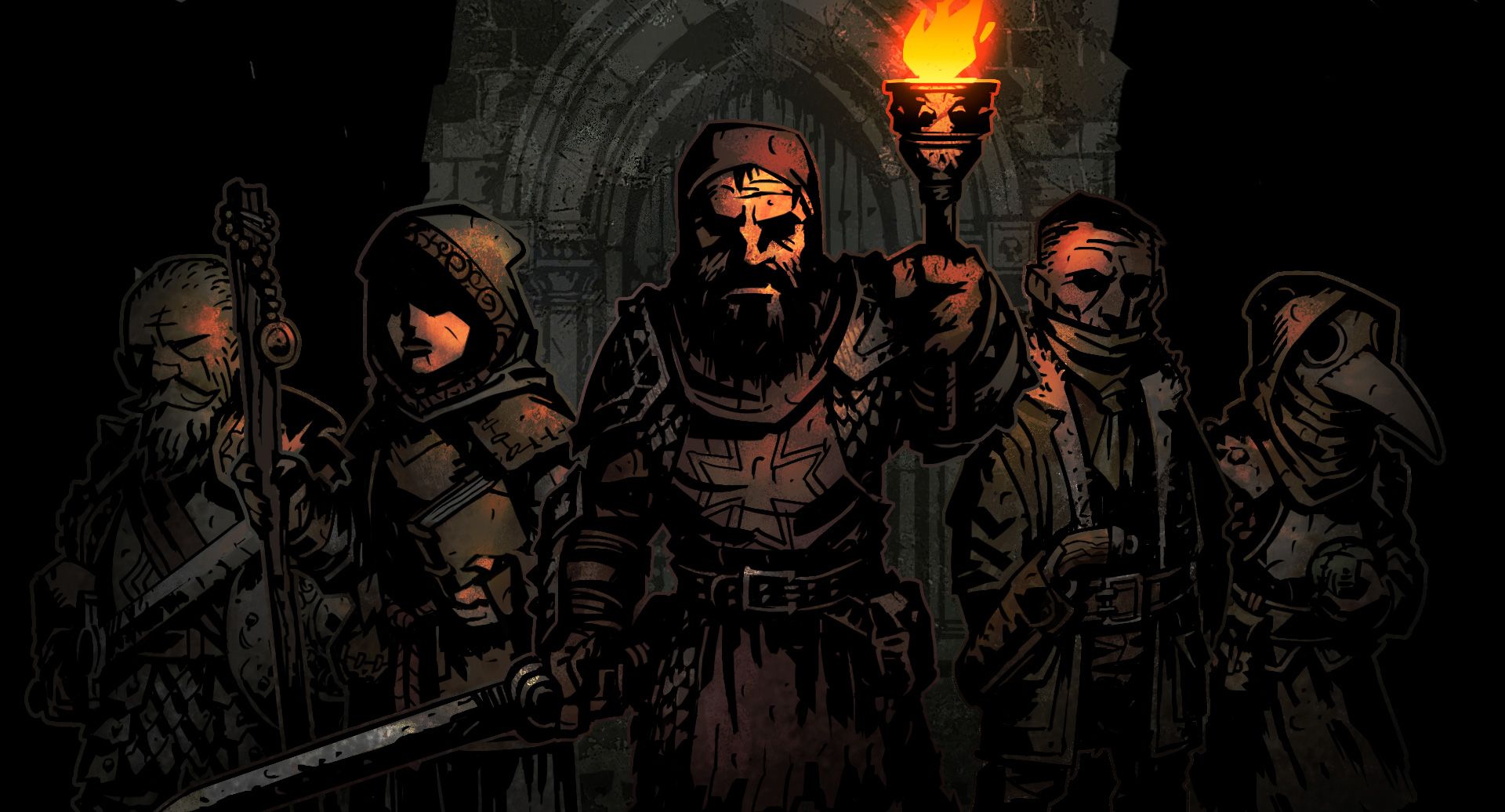
Red Hook Studios has announced The Fire's Edge, the first major DLC for the original Darkest Dungeon in six years, due out on 18 August, just over a decade after the game's initial launch. The move follows a wider trend of developers reviving older titles with fresh expansions, joining games such as The Witcher 3: Wild Hunt and Dragon's Dogma 2, and comes as something of a surprise given that attention had largely shifted to 2023 sequel Darkest Dungeon 2.
The Fire's Edge will import two characters from the sequel, The Duelist and The Runaway, along with the latter's new Burn combat mechanic, plus three fresh districts and new trinkets. Red Hook has promised further writing, events and surprises to come, and says new modding tools are being developed to address fan concerns that the update could break existing mods, though compatibility won't be immediate. The DLC will launch on all platforms except Xbox, where a release date is yet to be confirmed, and no price has been announced, though previous DLC has typically cost $9.99. Red Hook also confirmed that Darkest Dungeon 2 will receive its own new DLC in early 2027.
In short
- Darkest Dungeon gets first major DLC, The Fire's Edge, in six years
- Releases 18 August on most platforms; Xbox date still unconfirmed
- Adds two Darkest Dungeon 2 characters, new districts and mechanics
Steelman: both sides, in good faith
The strongest fair case each way — we don't pick a winner.
The case for
Supporting legacy titles demonstrates genuine respect for players who have remained devoted to the original Darkest Dungeon over a decade. This DLC serves a loyal community for whom the first game remains their preferred experience, validating their long-term investment and engagement. Offering substantial new content with imported mechanics and fresh districts extends player choice and creates value for those who specifically prefer the original's design philosophy rather than the sequel's direction. Such long-tail support builds studio goodwill and shows that developers care for their entire catalogue, not merely the latest release.
The case against
Developer resources are finite, and investing in six-year-old DLC raises legitimate questions about priorities when Darkest Dungeon 2 exists as the franchise's present and future. Splitting focus between two versions risks diluting both games' live service prospects and may inadvertently encourage players to remain with the older title rather than embrace the sequel's intended direction. These resources could instead accelerate DD2 development, fund entirely new intellectual properties, or ensure the studio continues innovating rather than servicing past releases. Forward momentum generally better serves both creative ambition and long-term studio viability.
Explained simply
Darkest Dungeon is a strategy game released in 2016 by Red Hook Studios in which players lead characters through dark dungeons whilst managing their resources and wellbeing in a gothic horror setting. The game developed a devoted following amongst players who enjoyed its challenging gameplay and distinctive visual style.
In recent years, a trend has emerged of developers releasing substantial content updates for older games rather than simply moving on to new projects. Established titles like The Witcher 3: Wild Hunt and Dragon's Dogma 2 have received major expansions many years after their original release.
This approach reflects changing attitudes towards long-term support for games and suggests publishers believe there remains appetite for additional content in established franchises. For players, it offers the opportunity to return to familiar games with new material, whilst for developers it can generate ongoing revenue alongside their work on new titles.
Entertainment Gaming Software Technology