Supreme Court to review century-old US home distilling ban
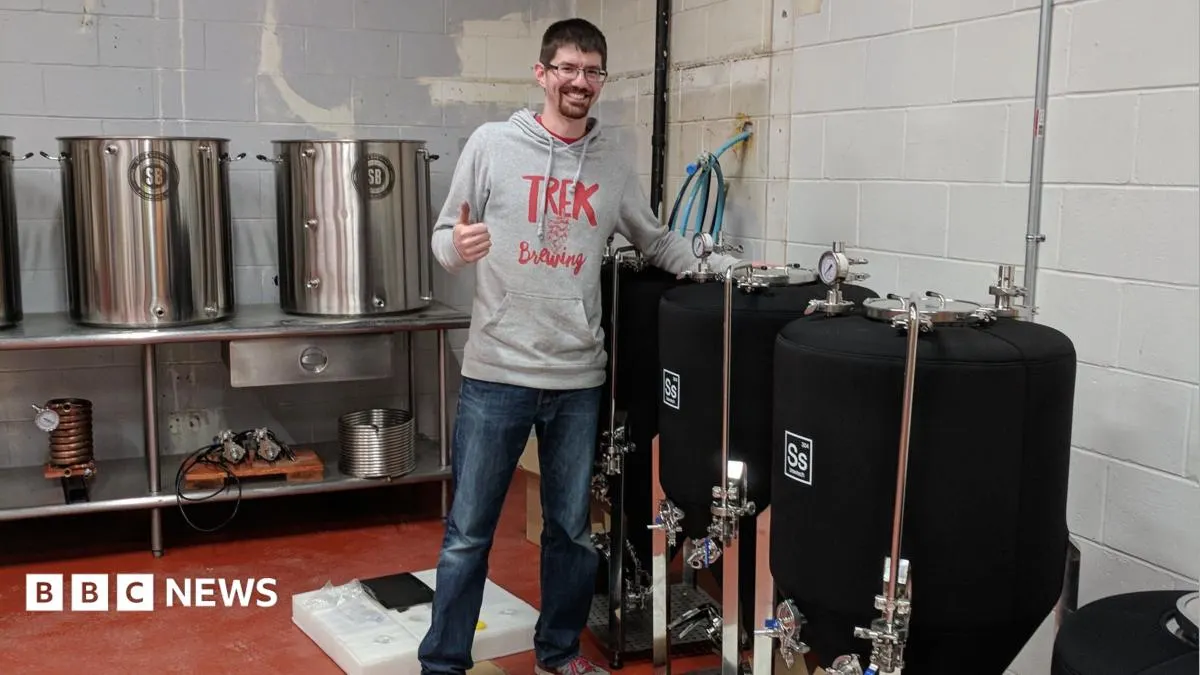
The US Supreme Court will reconsider a federal law that has banned people from distilling spirits at home since 1868. Hobby distillers argue the ban exceeds Congress’s powers, while the government says it is a lawful way to prevent tax avoidance; the ruling could determine whether home distilling becomes legal nationwide.
The court is expected to hear the case early next year and may rule in summer 2027. Home distilling currently carries a penalty of up to five years in prison, a $10,000 fine, or both. The ban originated as a revenue measure, and the legal challenge has drawn attention to the contrast with home brewing of beer and wine, which is permitted across the country.
In short
- The Supreme Court will review the US home distilling ban.
- A ruling could come in summer 2027.
- Home distilling can bring prison time and a $10,000 fine.
Steelman: both sides, in good faith
The strongest fair case each way — we don't pick a winner.
The case for
The distilling ban is a longstanding means of protecting federal revenue: spirits can be produced and consumed without the tax authorities easily recording or taxing them. Congress can reasonably regulate an activity that creates this risk, and a nationwide rule may be simpler to enforce consistently than leaving home distilling to a patchwork of state laws.
The case against
People should generally be free to make spirits at home for personal use, just as they may brew beer or wine, unless the government can show that a broad ban is necessary. Hobby distillers argue that Congress has exceeded its constitutional powers; on this view, tax collection could be protected through narrower rules that do not criminalise home production.
Explained simply
Distilling turns a fermented liquid into a stronger spirit by heating it and collecting the alcohol vapour. In the United States, a federal law dating from 1868 has made it illegal to distil spirits at home, even for personal use; home brewing of beer and wine is allowed under federal law.
The case pits hobby distillers challenging the ban against the federal government, which says it helps prevent people avoiding taxes on alcohol. The dispute concerns how far Congress’s powers extend and whether the ban can be used to enforce tax rules. A decision could affect whether home distilling is allowed across the country.
Americas Space Technology World
Read the full article at the source →
Originally published by BBC World as “Home distillers rejoice as US Supreme Court considers whether to finally legalise moonshine”.