Dave Grohl Dedicates “My Hero” to “New Friend Jack” at Power to the People
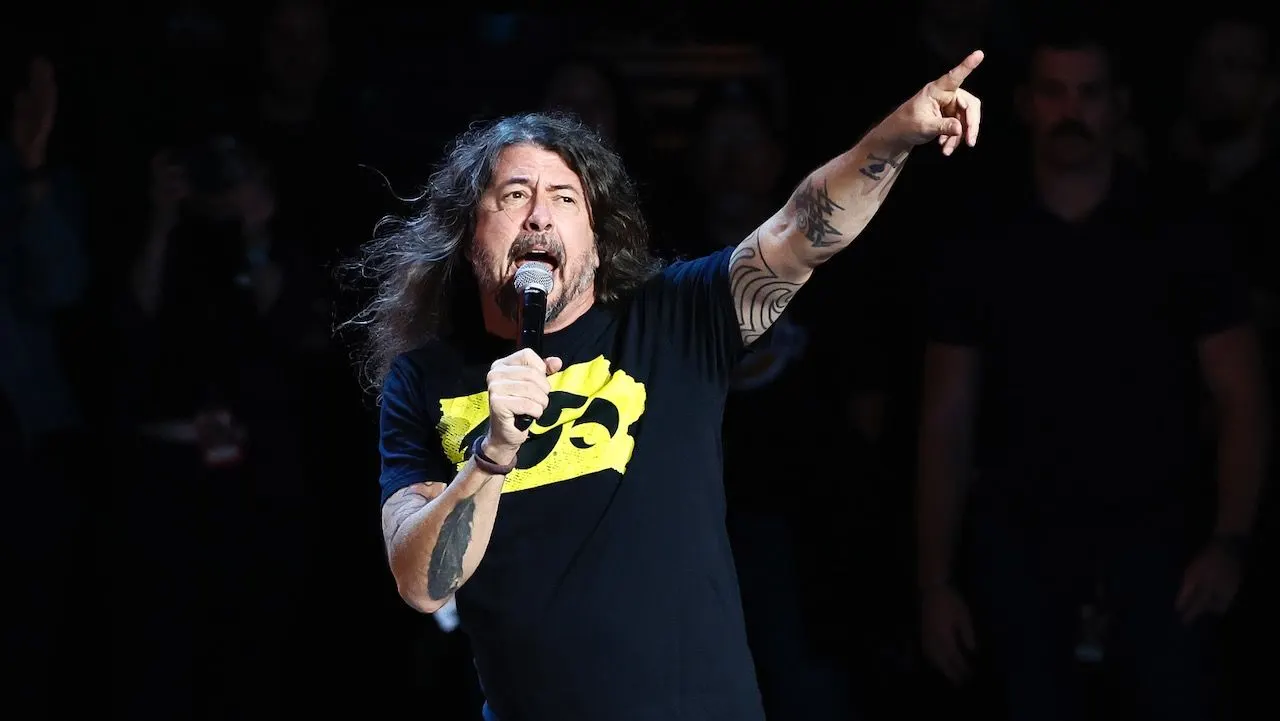
Dave Grohl dedicated Foo Fighters’ performance of “My Hero” at the Power to the People Festival to “my new friend Jack”, while former special counsel Jack Smith was seen in the crowd. The moment, alongside Grohl’s choice of T-shirt, appeared to allude to recent political disputes involving Smith.
Grohl wore an Iowa Hawkeyes T-shirt, a reference to Senator Eric Schmitt’s attempt to get Smith to perjure himself before Congress. During the set, Grohl also recalled campaigning for John Kerry and paid tribute to his late mother, Virginia, a public school teacher who he said “always fought the good fight”. Foo Fighters played seven songs, including “Times Like These”, “My Hero” and “Everlong”; Grohl also joined Tom Morello earlier to cover KISS’ “Rock and Roll All Nite”.
- Grohl dedicated “My Hero” to “my new friend Jack”.
- Jack Smith was spotted in the festival crowd.
- Grohl also honoured his late mother and recalled campaigning for John Kerry.
New here? Start with this
Jack Smith was a special counsel, an independent government investigator appointed to examine specific matters. His investigations have become the subject of significant political dispute, with various political figures questioning both his conduct and his conclusions.
Senator Eric Schmitt of Iowa has pursued efforts to challenge Smith's conduct, including seeking to have Smith questioned under oath regarding his investigations and actions. These disagreements have become politically contentious, with different sides holding opposing views on Smith's work.
Dave Grohl is the lead singer of rock band Foo Fighters and has previously expressed political views through his music and public appearances. When musicians make song dedications or wear symbolic items at major concerts, observers often look for political meaning, particularly when those gestures appear connected to current public controversies.
Both sides, in good faith
The strongest fair case each way — we don't pick a winner.
The case for
Dave Grohl exercised a prerogative deeply rooted in rock music—using his considerable platform to advance political values and express support for a figure amid political controversy. His subtle gestures represent legitimate artistic expression, grounded in decades of civic engagement. Artists are citizens with free speech rights, and integrating their convictions into their work remains an important cultural tradition in popular music.
The case against
Music festivals are primarily entertainment venues where audiences gather to enjoy music they love. When performers introduce political messaging through dedications or symbolism, they risk dividing audiences and compromising the experience for those attending primarily for the art. More appropriate forums exist for political expression than performances where audiences have paid to enjoy music as their primary purpose.