Science news and discussion on TalkFuse.
DAVID ASMAN: Democrats exploit gas-price pain while ignoring their own record
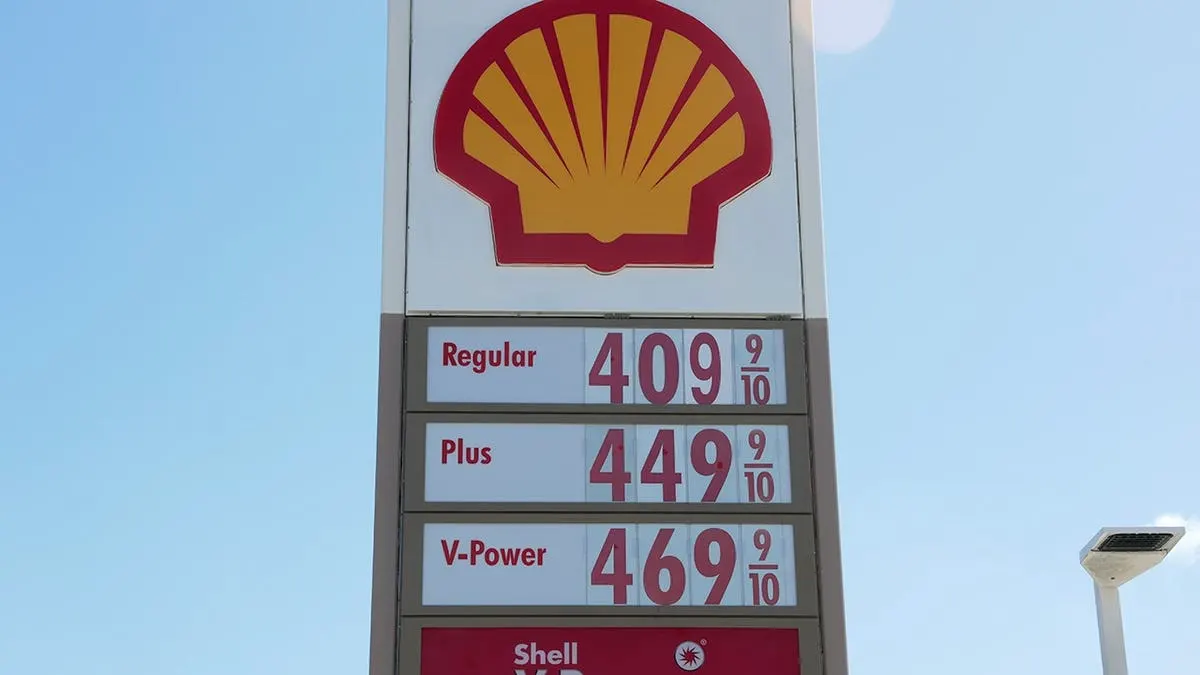
The opinion piece argues that Democrats are using voters’ frustration with petrol prices for political gain despite policies the author says have pushed prices higher. It points to Biden’s cancellation of the Keystone XL pipeline, past opposition to it under Barack Obama, and support for carbon pricing and electric vehicles.
The article compares petrol price peaks across administrations: $4.55 a gallon under Obama in 2011, equivalent to $6.78 today; $5.03 under Biden in 2022, equivalent to $5.79; and $4.55 under Trump in May of the current year. It also cites reported losses and write-downs by General Motors and Ford on electric vehicles, and says Trump has predicted prices could return to $3 after the Iran war, while noting its end date is uncertain. These are the author’s claims and political arguments.
In short
- The author blames past Democratic policies for higher petrol costs.
- The article compares peak prices under Obama, Biden and Trump.
- It says the timing of any post-war price drop remains uncertain.
Steelman: both sides, in good faith
The strongest fair case each way — we don't pick a winner.
The case for
Democrats can reasonably argue that high petrol prices impose an immediate burden on households and that pressing the government to address them is a legitimate responsibility, even if their party has supported policies that may raise some energy costs. Cancelling Keystone XL and backing electric vehicles or carbon pricing can be defended as choices aimed at reducing emissions and encouraging a longer-term shift in energy supply, rather than as explanations for every price movement. Comparing peaks across administrations also needs care, since global events and market conditions differ.
The case against
Critics can reasonably argue that politicians should be judged on how their policies affect affordability as well as their stated aims, and that restricting or discouraging some forms of fossil-fuel supply may add to price pressure. They may see Democrats’ focus on current petrol costs as politically selective if it omits their past positions on pipelines, carbon pricing and the transition to electric vehicles. On this view, reported carmakers’ EV losses and uncertainty about when prices might fall make it fair to question whether the transition is delivering its promised economic benefits.
Explained simply
Petrol prices are influenced by global oil supply and demand, as well as events that disrupt production or transport. Governments can affect energy costs through decisions about pipelines, fuel taxes, carbon pricing and support for electric vehicles, but prices also respond to factors beyond any one government’s control.
The debate involves Democrats, including former presidents Barack Obama and Joe Biden, and Republican president Donald Trump. The piece discusses their records and positions on oil infrastructure and the shift to electric vehicles, alongside carmakers General Motors and Ford, which have reported costs linked to their electric-vehicle plans.
Fuel costs matter to households and businesses, and can become a major political issue when prices rise. Comparing prices across presidents involves choices about inflation adjustments and the wider market conditions at the time, so such comparisons do not by themselves establish what caused a change.