DAVID BARRETT: Labour’s time bomb of up to 2.2million migrants set to win the right to remain here permanently
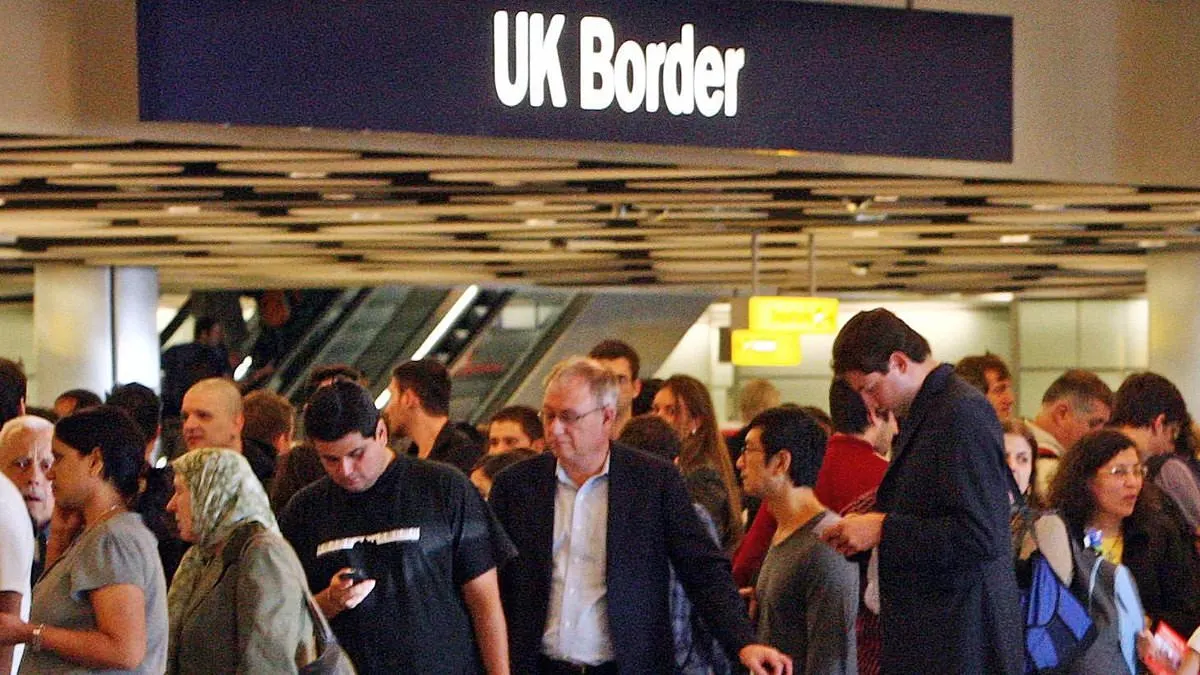
Labour’s plans to extend the time migrants must wait for permanent settlement may be watered down, as growing numbers become eligible under the current five-year rule. The article argues this could increase pressure on public finances and welfare services, while presenting the issue as a test of the Government’s ability to change immigration rules.
It says at least 200,000 migrants have received settled status since proposals to tighten the rules were outlined last autumn. More than a million people came to the UK after pandemic travel restrictions eased, and their settlement applications are expected to rise, peaking in 2028. Home Secretary Shabana Mahmood had proposed a ten-year standard qualifying period, longer waits for lower-skilled workers and benefit claimants, and a faster route for some high earners; the article says the final proposals may be less restrictive. It also cites Home Office estimates that post-pandemic arrivals could cost taxpayers about £10 billion.
- At least 200,000 migrants have gained settled status since last autumn.
- Applications are expected to peak in 2028.
- Labour may soften plans to lengthen the settlement wait.
New here? Start with this
Permanent settlement, often called indefinite leave to remain, lets a person live in the UK without a time limit and can be a step towards citizenship. Under the rules described in the story, many migrants can apply after five years, though the qualifying period depends on their route and circumstances.
The Home Office is responsible for immigration rules, and the home secretary, Shabana Mahmood, has proposed extending the usual wait to ten years, with different timelines for some groups. The proposals concern people who moved to the UK after pandemic travel restrictions eased, as they approach the point when they may be able to apply under existing rules.
The debate involves how settlement rules should balance predictability for migrants with the Government’s aims for immigration and public spending. Estimates of possible costs depend on assumptions about future applications, employment and use of public services.