DAVID MARCUS: Congress set to protect AM radio and American discourse
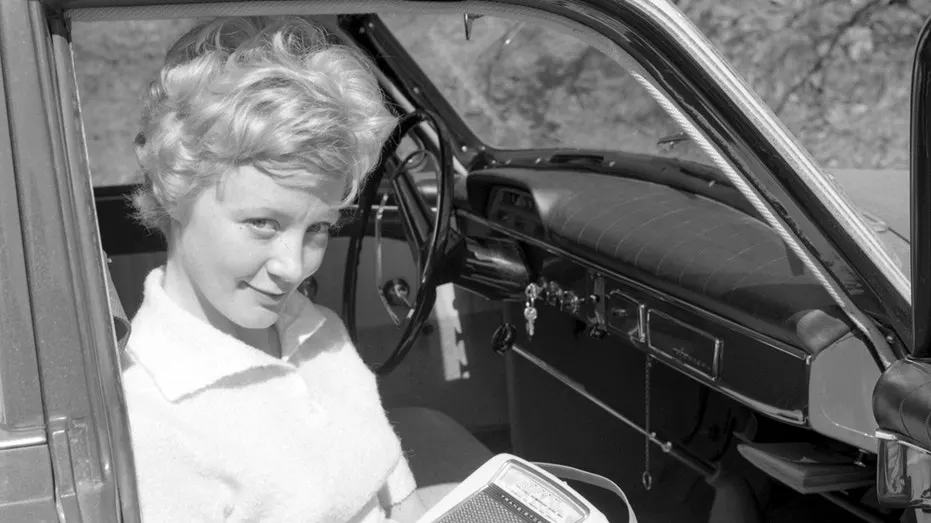
A bipartisan bill requiring an AM radio antenna in every new car sold in the United States is set for a vote in Congress this week, with backers arguing it safeguards both emergency communications and a rare surviving forum for civil public debate. The AM Radio for Every Vehicle Act, which has more than 300 House co-sponsors and 60 in the Senate, is primarily framed as a resilience measure so emergency alerts can still reach drivers if digital networks fail, but the author also credits local AM stations with hosting balanced, non-partisan discussion and community coverage that has largely disappeared from local newspapers.
Citing WFMD in Frederick, Maryland, now marking 90 years on air, the piece describes a typical AM schedule of local morning shows, syndicated news and afternoon call-in politics programmes, such as "Mid-Maryland Live," hosted by a conservative and a liberal presenter together. The author argues AM radio's reliance on local advertising, rather than government funding, gives it an incentive toward cross-partisan appeal, unlike publicly funded models. Estimates cited suggest 80–90% of Americans listen to AM or FM radio weekly, and more than 80% of car owners switch it on when starting their vehicle.
In short
- Bill mandates AM radios in all new US cars
- Backed for emergency alerts and civil political discourse
- Around 300 House, 60 Senate co-sponsors support it
Steelman: both sides, in good faith
The strongest fair case each way — we don't pick a winner.
The case for
Requiring AM antennas in new cars could preserve a widely available channel for emergency alerts when digital networks fail, while helping local stations continue serving communities. Supporters also argue that local advertising rewards stations for attracting broad audiences, and that local and cross-partisan programmes can sustain public discussion as local newspapers decline.
The case against
A mandate could require automakers and buyers to bear the cost of retaining technology that some drivers may rarely use, even as communication habits and vehicle systems change. Emergency planning may be better served by investing in resilient, modern alert channels, while the value of AM radio’s public debate does not by itself establish that every new car needs an antenna.
Explained simply
AM radio sends sound over long distances and has been carried in cars for decades. In the United States, local AM stations often mix news, community updates and programmes where presenters and callers discuss public issues.
The proposed AM Radio for Every Vehicle Act would require new cars sold in the US to include equipment for receiving AM broadcasts. Its supporters say this could help drivers get emergency information if mobile or internet services fail. The debate also touches on the role local radio can play in public discussion, as newspapers and other local media have changed.
Elections Government Politics World