World news and discussion on TalkFuse.
DAVID MARCUS: Where does the blue tsunami leave old school Dems like John Fetterman?
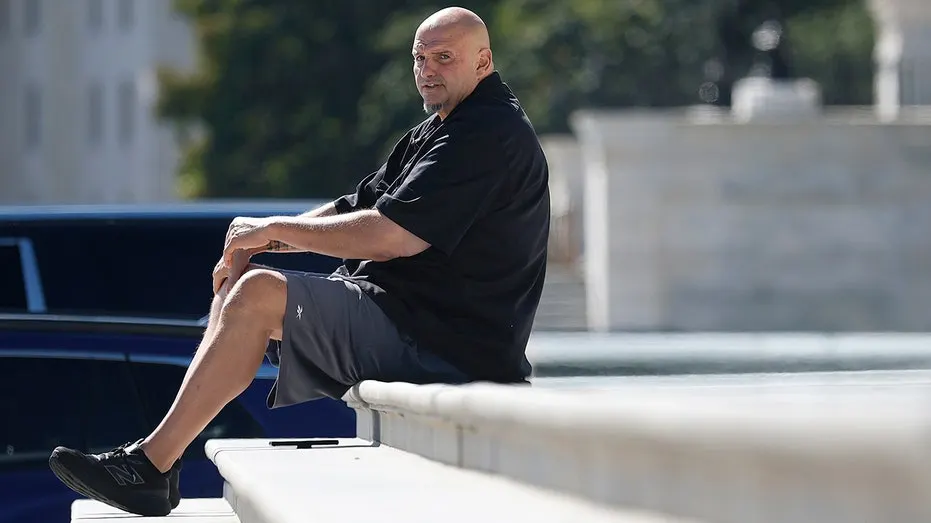
The article argues that Democrats’ sweeping midterm gains will sharpen tensions between the party’s progressive wing and moderates such as Pennsylvania senator John Fetterman. It asks how Senate leader Chuck Schumer will handle a lawmaker who has challenged progressive positions on immigration enforcement, support for Israel and government shutdowns.
The piece says Democrats may have enough seats to prevent left-wing lawmakers from blocking legislation, but progressives could still press the party to change its positions. Fetterman faces re-election in 2028 and, according to the article, is currently more popular with Pennsylvania Republicans than Democrats. It also points to moderate senators in other competitive states as facing pressure from both general-election voters and primary challengers.
In short
- Democratic gains may deepen divisions between moderates and progressives.
- Fetterman has challenged his party on Israel and immigration enforcement.
- Schumer must manage progressive demands alongside a sizeable majority.
Steelman: both sides, in good faith
The strongest fair case each way — we don't pick a winner.
The case for
Democratic gains could give the party a chance to pursue a more ambitious agenda, and progressives may reasonably argue that voters expect the party to respond to their priorities. If moderates such as John Fetterman resist changes on issues including immigration, Israel or government funding, party leaders may need to weigh whether that stance reflects the wider electorate or limits what Democrats can achieve.
The case against
Moderate senators must also answer to voters in competitive states, where a strongly progressive agenda could alienate people whose support is needed to win general elections. Fetterman’s willingness to break with his party may reflect a legitimate effort to represent those constituents, and leaders who accommodate progressive demands too readily could weaken the party’s electoral prospects.
Explained simply
The Democratic Party includes both progressive politicians, who favour more substantial changes to policy, and moderates, who tend to support a more cautious approach. These differences can shape what the party tries to pass when it has influence in Congress.
John Fetterman is a Democratic senator for Pennsylvania, a state where election results can be closely contested. Chuck Schumer leads the Senate Democrats and helps guide the party’s legislative priorities. How they and other senators navigate disagreements can affect the policies the party pursues and the candidates it puts forward.
Senators must appeal to voters across their states while also facing possible challenges from within their party. Those competing pressures can be especially significant for lawmakers seeking re-election in politically competitive states.
Americas Government Middle East Politics World