Business news and discussion on TalkFuse.
Debt Problems of the Richest Countries Are Trickling Down to the Poorest
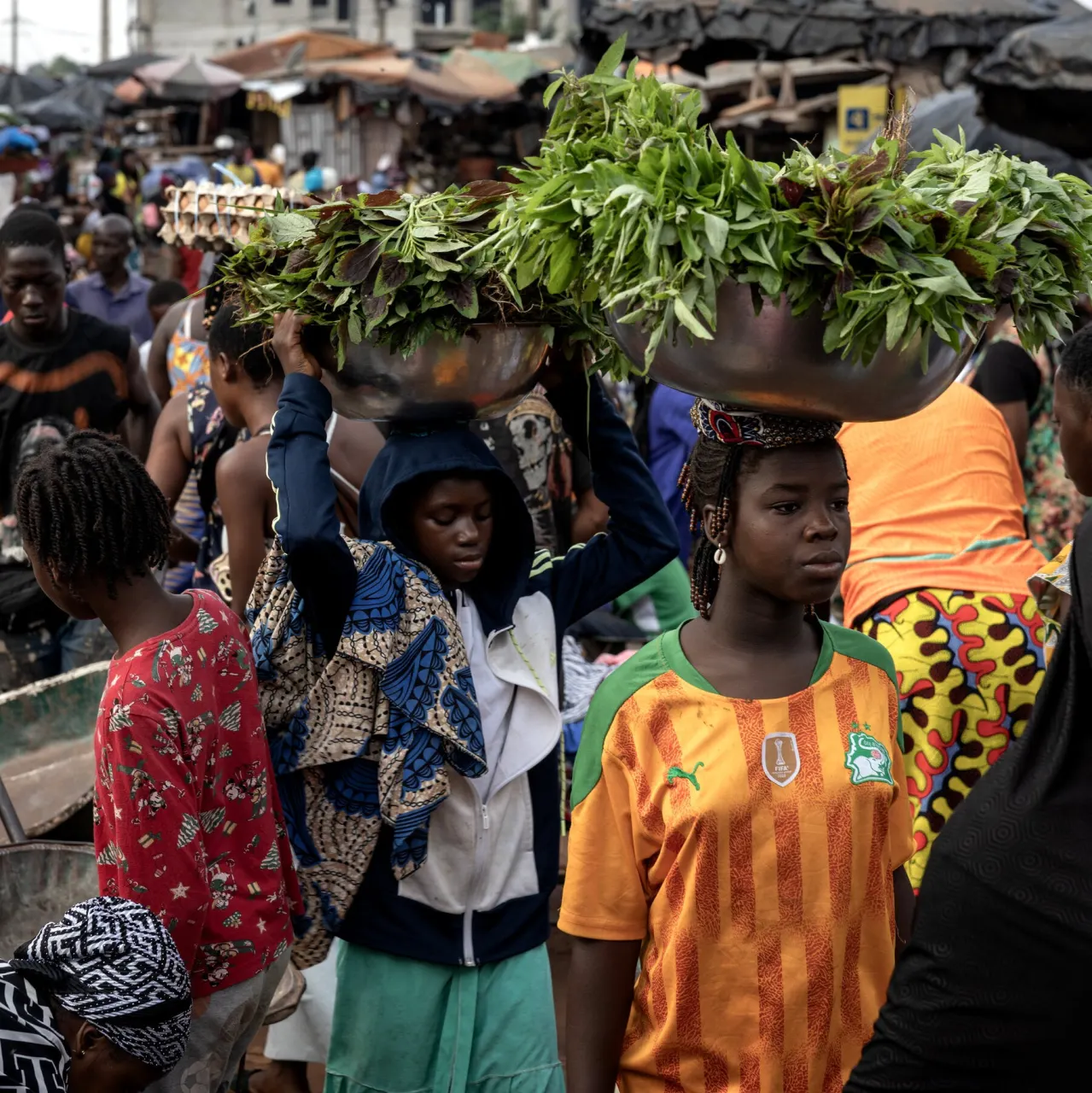
Developing countries’ combined debt rose to $9.4 trillion last year as global crises and higher interest rates strained their budgets. The article says debt problems in richer nations also push up borrowing costs elsewhere, leaving poorer countries paying more to finance essential spending and increasing the risk of a damaging debt cycle.
Pandemic disruption, energy shocks, supply-chain problems and wars in Ukraine and Iran drove inflation and prompted central banks to raise rates. Yields on US government bonds have passed 5 per cent, while France’s are at a 25-year high and Japan’s at a three-decade high; Ivory Coast, Kenya and Nigeria have offered lenders rates from 7.5 to above 10 per cent. The article also notes that IMF borrowing has become costlier for many countries because its rates are linked to those set by major central banks.
In short
- Developing countries’ debt reached $9.4 trillion.
- Higher global rates are making their loans more expensive.
- Some governments are borrowing at rates above 10 per cent.
Steelman: both sides, in good faith
The strongest fair case each way — we don't pick a winner.
The case for
When richer countries borrow heavily and their governments’ debt concerns push up global interest rates, poorer countries can face higher costs to refinance debt and fund essentials, even though they have less capacity to absorb the shock. This can divert money from development and make a debt cycle harder to escape; linking IMF rates to major central banks can add to the pressure. On this view, the spillover is unfair and calls for stronger international support and more affordable financing.
The case against
Higher borrowing costs in poorer countries also reflect domestic risks, including fiscal choices, inflation, currency exposure and investors’ assessment of repayment prospects, so rich-country debt is only one part of the story. Higher global rates can be a response to inflation that would itself erode the incomes of poorer households, and keeping rates high may be necessary to restore price stability. On this view, countries need sustainable budgets and credible policies alongside any international relief.
Explained simply
Developing countries borrow money to fund public services, infrastructure and other spending, often from international lenders and investors. Their debt can become harder to manage when interest rates rise, because governments must spend more to repay loans and may have less available for other needs.
Interest rates in poorer countries are influenced partly by borrowing costs in major economies such as the United States, France and Japan. When investors can earn higher returns on those countries’ government bonds, they may demand higher rates to lend to countries seen as riskier; the International Monetary Fund also links some of its lending rates to major central-bank rates.
This can leave governments paying more to borrow or refinance existing debt, including through the IMF. If debt repayments take up a growing share of public budgets, countries may have less room to respond to economic shocks or maintain essential spending.