‘Degree of Uncertainty’ Filmmaker Simon Schneider Tackles The Ironic Origins Of Climate Change Data — HollyShorts Film Festival
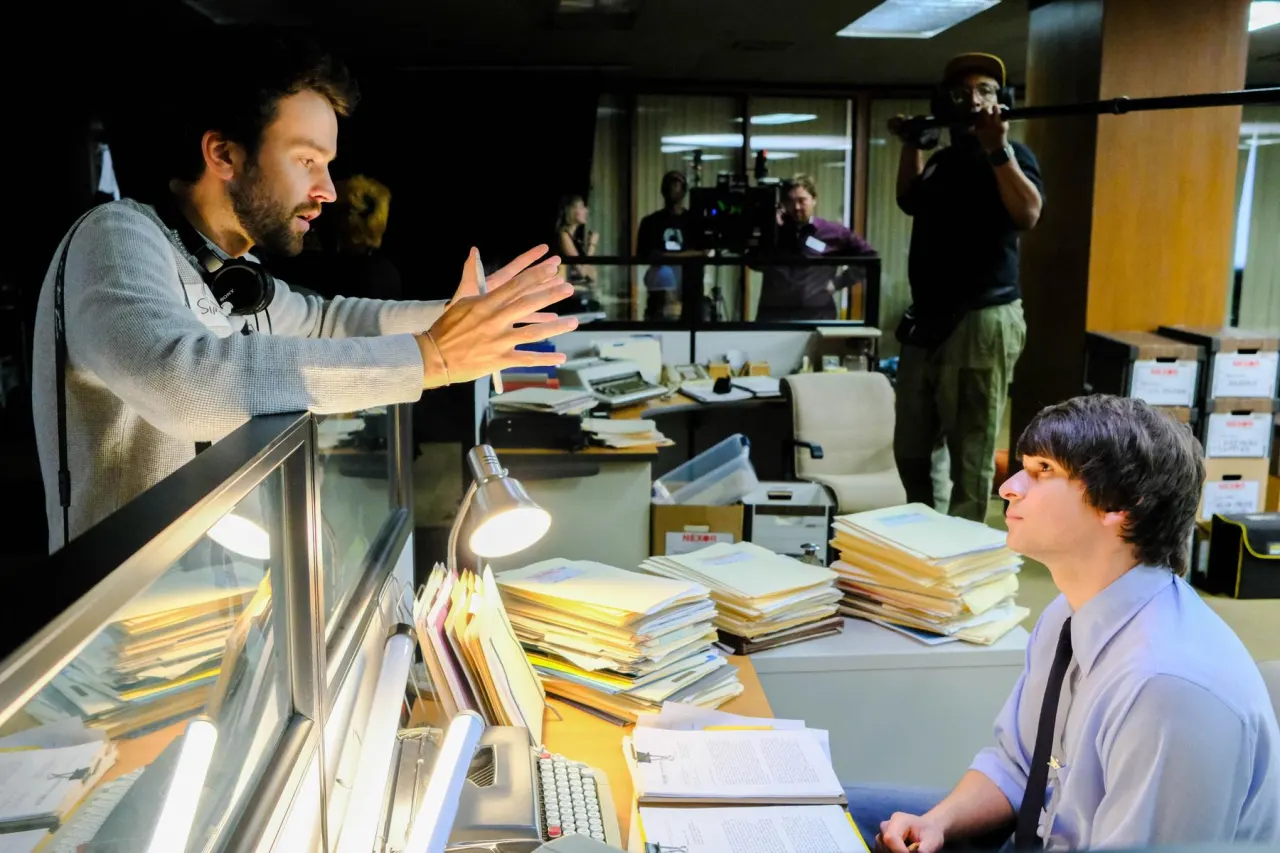
German-born filmmaker Simon Schneider's AFI thesis film Degree of Certainty, screening at the HollyShorts Film Festival, dramatises the origins of oil companies' knowledge of climate change. Set in 1982, the 16-minute short follows a young risk analyst at a major US oil firm who, while under pressure to prove his worth amid falling oil prices, uncovers research from his own company's scientists warning of rapid global warming, forcing a choice between exposing the findings and protecting the business. Inspired by true events, the film highlights the irony that oil corporations were themselves major funders of early climate science, and explores how corporate self-interest and individual ambition can lead to moral compromise with consequences still felt today.
Schneider, who grew up in East Germany and studied filmmaking in Cologne before using an award-winning thesis film to gain entry to AFI in 2023, said he was struck to learn that big oil firms, alongside NASA, heavily funded climate research in the 1970s, primarily to aid oil discovery. He completed the short, starring Trace Guzmán as protagonist Jackson Miller, in December last year on a student budget while recreating the early-1980s setting. The interview also touches on the practical challenges of the low-budget period production and the broader moral questions Schneider wanted the film to raise about the ongoing climate crisis.
- New AFI short dramatises oil firms' early, hidden climate research
- Degree of Certainty screens at HollyShorts Film Festival 2026
- Director Simon Schneider explains the film's true-story inspiration
New here? Start with this
Filmmaker Simon Schneider has made a short film called Degree of Certainty, which is showing at the HollyShorts Film Festival, a Los Angeles-based event for short films. Schneider, who grew up in East Germany and trained as a filmmaker before attending the American Film Institute (AFI) in the United States, made the film as his AFI thesis project. It is set in 1982 and follows a fictional oil company employee who discovers his own firm's scientists had warned about global warming, putting him in a difficult position between speaking out and staying loyal to the business.
The film draws on real history: in the 1970s and 1980s, oil companies and organisations such as NASA funded research into climate science, partly to help locate oil reserves. That research is now cited as some of the earliest evidence that fossil fuel companies were aware of the risks of climate change well before the issue became widely known to the public.
HollyShorts is one of a number of festivals where short, low-budget films by emerging directors get shown to industry audiences, and being selected can help a filmmaker's career. The story around Degree of Certainty centres on Schneider's own account of making the film and what drew him to this period of climate history, rather than any new event or controversy.
Both sides, in good faith
The strongest fair case each way — we don't pick a winner.
The case for
Those sympathetic to the film's underlying argument would say that documenting this history matters, since internal industry research from the 1970s and 1980s reportedly reached broadly sound conclusions about warming even as public messaging and lobbying later diverged from those findings. They would argue that individuals and companies bear moral responsibility for choices made even amid scientific uncertainty, especially given how consequences compound over decades, and that dramatising this gap serves the public interest by keeping questions of accountability alive in today's climate debates.
The case against
Those more sceptical of this framing would caution against judging decisions made in the early 1980s by the standards of today's settled scientific consensus, noting that early climate modelling was exploratory and contested even among specialists at the time. They might argue that funding such research, alongside bodies like NASA, was a legitimate and forward-looking business practice rather than evidence of concealment, and that a dramatic retelling inspired by true events risks compressing complex organisational decision-making into a simplified morality tale that overlooks the genuine uncertainty people faced at the time.