Politics news and discussion on TalkFuse.
Dems, GOP rebels fail to rein in Trump’s Iran war in Senate, but bigger battle looms
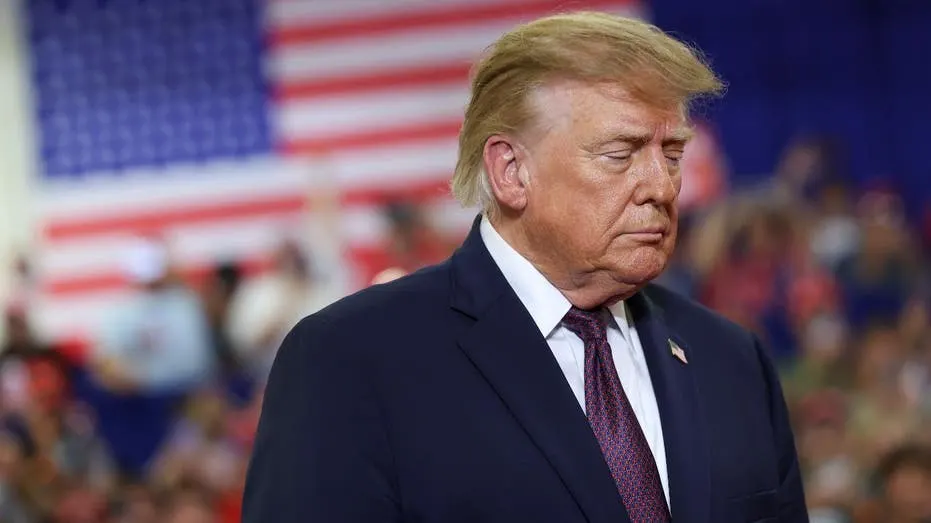
Senate Democrats and a small group of Republican dissenters failed to pass a non-binding resolution aimed at limiting President Donald Trump’s military action against Iran. The vote leaves the war powers dispute unresolved, while attention shifts to negotiations over government and defence funding.
The resolution would have called for removing troops involved in hostilities not authorised by Congress, but would not have compelled action by the president. Current government funding expires on 11 December, and Democrats are weighing how to prevent funds supporting the war while still backing troops and military readiness. Republicans have stepped back, for now, from using budget reconciliation to advance the administration’s $350 billion defence request, and say they want to pursue bipartisan funding talks.
In short
- Senate war powers resolution failed.
- Government funding expires on 11 December.
- Defence funding could become the next point of conflict.
Steelman: both sides, in good faith
The strongest fair case each way — we don't pick a winner.
The case for
Supporters of the resolution argue that decisions to sustain military action should have clear congressional authorisation, as the Constitution gives Congress a role in matters of war and peace. Even though the measure was non-binding, they see it as a way to assert oversight, limit the risk of an open-ended conflict and press the administration to explain its objectives and costs.
The case against
Opponents can argue that the president needs room to respond to security threats and direct military operations, and that a non-binding resolution would add uncertainty without changing policy. They may also contend that funding negotiations should protect troops and military readiness while allowing bipartisan agreement, rather than using defence spending to constrain the administration’s conduct of the conflict.
Explained simply
The US Constitution gives Congress the power to authorise war, while the president commands the armed forces. The War Powers Resolution, passed in 1973, sets rules for presidents deploying troops without Congress’s approval, but disputes over how those rules apply have continued.
The Senate is one of the two chambers of Congress, alongside the House of Representatives. Democrats and Republicans are the main parties, and the president’s party does not always have enough support in the Senate to pass legislation.
Government funding must be renewed by Congress, including money for the military. That gives lawmakers another chance to debate the Iran operation, though budget decisions also affect troops, defence readiness and the wider work of government.
Government Middle East Politics World