DHS official vows to prosecute and deport noncitizens caught illegally voting ahead of midterms
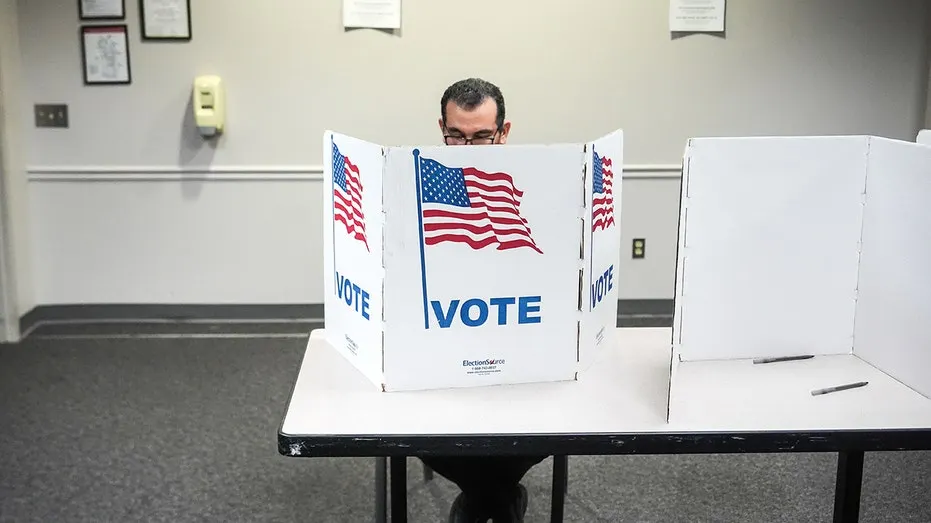
DHS general counsel James Percival said federal authorities would find, prosecute and deport noncitizens who illegally vote, as the United States prepares for midterm elections. His warning comes amid a nationwide effort to investigate suspected noncitizen voting, which has drawn objections from state election officials over the accuracy of federal findings.
DHS said dozens of noncitizens had been arrested, and Percival said more than 200 people had been charged in connection with noncitizen voter fraud. Washington Secretary of State Steve Hobbs disputed a federal list identifying more than 400 suspected noncitizens registered to vote, saying it included US citizens and people not currently registered or listed as inactive. He argued election officials need individual evidence of ineligibility before rejecting a ballot.
In short
- DHS warns noncitizens against voting illegally.
- More than 200 people have been charged, Percival said.
- Washington officials challenged the accuracy of a federal voter list.
Steelman: both sides, in good faith
The strongest fair case each way — we don't pick a winner.
The case for
Supporters argue that voting is a core civic right reserved for eligible citizens, and that investigating credible evidence of noncitizen voting helps uphold election law and public confidence in elections. They see prosecution, and deportation where the law permits, as appropriate consequences for proven violations, while acknowledging that cases should be based on reliable evidence.
The case against
Critics argue that broad federal investigations and forceful public warnings can wrongly cast suspicion on eligible voters when government lists contain errors, including citizens or people who are not actively registered. They contend that election officials should assess individual evidence before rejecting ballots, and that safeguards against mistaken enforcement are essential to protect citizens’ voting rights and trust in elections.
Explained simply
In the United States, citizens aged 18 or over can vote in federal elections, while noncitizens generally cannot. Voting when ineligible can lead to criminal charges and, for noncitizens, possible immigration consequences. Midterm elections take place halfway through a president’s four-year term and decide seats in Congress, as well as some state and local offices.
The Department of Homeland Security (DHS) is a federal agency whose responsibilities include immigration enforcement. State and local officials run elections and maintain voter records; the rules and checks vary by state. Federal agencies may investigate suspected violations, while election officials decide how to handle registration and ballots under state law.
Identifying ineligible voters can depend on accurate records and evidence about each person’s status. Lists of suspected cases can contain errors, so officials may disagree over whether they are reliable enough to act on. These disputes matter because they involve both enforcement of voting rules and the administration of elections.
Art Culture Elections Politics World