Politics news and discussion on TalkFuse.
DHS’s Mullin warns people who illegally vote will be hunted down
Developed over time first seen 6 hours ago
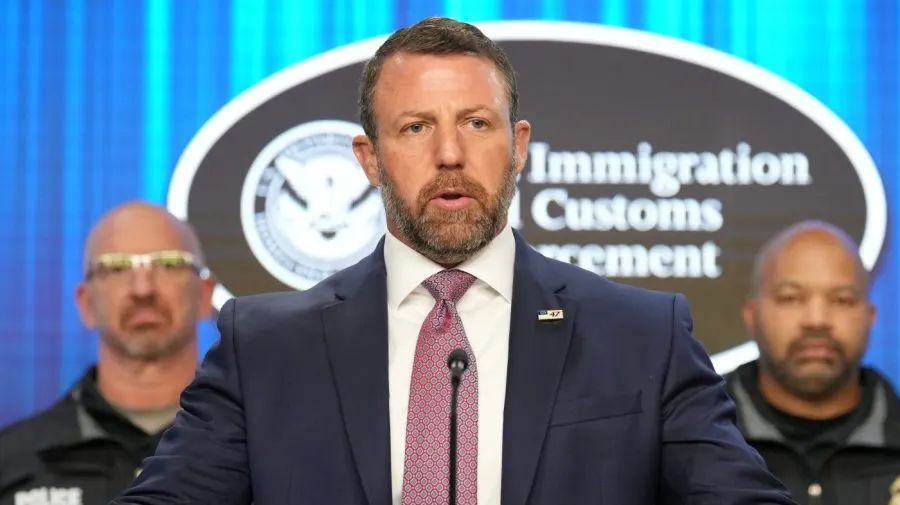
On US midterm election day, 3 November, Homeland Security Secretary Markwayne Mullin warned that people who vote illegally despite being ineligible would be found, ‘hunted down’ and prosecuted. In a social media post, he said that only American citizens should decide American elections. Noncitizens are already barred from voting in federal elections, and evidence from state and federal investigations indicates that such voting is extremely rare.
The warning came amid a wider federal effort to identify suspected noncitizen voters. Homeland Security agents have visited homes to question residents about their immigration status and voting history, while the administration has pressed states over their voter rolls. The department says it is enforcing election law; critics argue that its methods could deter eligible voters. The administration’s actions have also prompted court challenges over the federal government’s role in elections administered by states.
- Sources
- 3
- Outlets
- 3
- Left · Centre · Right
- 0 · 0 · 1
In short
- Mullin warned ineligible voters they would be pursued and prosecuted.
- Noncitizen voting in federal elections is illegal and extremely rare.
- Federal investigations and pressure on states have raised concerns about voter intimidation.
How this story developed
- 3 hours ago On US midterm election day, 3 November, Homeland Security Secretary Markwayne Mullin warned that people who vote illegally despite being ineligible would be found, ‘hunted down’ and prosecuted. In a social media post, he said that only American citizens should decide American elections.
Full account
On Election Day, Homeland Security Secretary Markwayne Mullin warned that people who vote when they are not legally eligible could be tracked down and prosecuted. In a social media post, he said the Department of Homeland Security would pursue such cases and argued that only US citizens should choose the country’s leaders.
The warning came amid a wider federal effort to investigate possible noncitizen registration and voting. A CBS News investigation reported that armed Homeland Security agents had visited residents’ homes in several states, asking about their immigration status and whether they had registered or voted. The visits intensified during the midterm campaign season. DHS said the operation was intended to protect election integrity; a former agency investigator described it as a departure from practices he had encountered during 23 years in the service.
The reports cite sharply different measures of the alleged problem. Mullin has said his department is investigating 300,000 cases, while CBS reported a DHS estimate of up to 250,000 people registered illegally. Election specialists have challenged the accuracy of that estimate. CBS also noted that the Justice Department had charged 156 people with voting-related fraud offences since the start of the Trump administration, compared with 227 million registered voters nationwide. The figures refer to different claims and periods, and do not establish how many people actually voted unlawfully.
The home visits and threats have prompted concern about the effect on eligible voters. A lawyer for Protect Democracy, which is suing DHS over the visits, said the approach could deter lawful voters. In California, the Justice Department announced the arrests of more than 20 green-card holders on allegations of illegal registration or voting; one case involved a 72-year-old man from Belize accused of voting in four elections. The allegations remain distinct from findings of guilt. Separately, the first report says Mullin has previously threatened state election officials with prosecution if they refused to provide voter rolls, and describes a similar warning from Texas US Attorney Aaron Reitz to voters and local administrators. It also reports that the Supreme Court rejected, in a brief order, the Justice Department’s bid to set aside 20,000 mail ballots it said had been issued to noncitizens.
The accounts take different approaches: the first centres on Mullin’s Election Day statement and places it alongside other federal threats and a court ruling; the CBS report focuses on the door-to-door investigation, arrests and concerns about intimidation, while also setting the alleged scale against prosecution and registration figures. The first report says Mullin cited 300,000 cases under investigation; CBS attributes a separate estimate of as many as 250,000 potentially ineligible registrants to DHS. Neither account reports evidence that noncitizens have determined the result of a US election.
Coverage · 3 sources
Americas Elections Politics World