World news and discussion on TalkFuse.
Diego Tovar, former FARC commander: ‘It is in the EU’s interest to pressure Abelardo de la Espriella to honor the peace agreement’
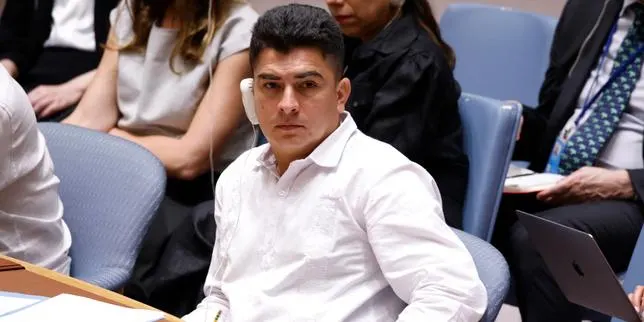
Former FARC commander Diego Tovar is touring Europe to rally support for Colombia’s 2016 peace agreement, which he says the new government led by Abelardo de la Espriella is weakening through cuts to the bodies tasked with implementing it. He argues that the European Union should press the president to honour the accord, warning that its survival depends partly on international engagement.
Tovar says ongoing violence reflects poor implementation and a lack of state presence in former rebel territories, rather than failure of the agreement itself. Of roughly 14,000 former guerrillas who disarmed, 11,080 were still committed to peace in 2025, while 1,200 signatories had died since 2016, including 515 who were murdered. He also cites rising voter turnout, from 40% in 2012 to 63% today, and a fall in multidimensional poverty in conflict-affected areas from 47.2% in 2018 to 26.1% in 2025.
In short
- Diego Tovar is seeking European support for Colombia’s peace accord.
- He says the new government is weakening its implementation.
- 515 peace agreement signatories have been murdered since 2016.
Steelman: both sides, in good faith
The strongest fair case each way — we don't pick a winner.
The case for
The 2016 agreement offers a route from armed conflict to political participation, and the figures cited on former guerrillas remaining committed to peace, rising turnout and falling poverty suggest it has delivered some gains. If violence persists where the state has not established a meaningful presence, weakening implementation bodies could deepen insecurity and undermine those gains. EU pressure could help sustain the agreement and protect people who took risks by disarming.
The case against
A government may argue that it should be able to set priorities and reform or reduce implementation bodies if it judges their work ineffective, costly or out of step with current needs. Continued violence and the deaths of former combatants also raise questions about whether the agreement’s institutions have delivered adequate security, whatever the cause. External pressure from the EU could be seen as constraining Colombia’s democratic choices, so engagement may be more legitimate if it supports locally determined reforms rather than insisting on a particular approach.
Explained simply
Colombia’s 2016 peace agreement was signed by the government and the FARC, a rebel group that had fought the state for decades. The deal led most FARC fighters to disarm and set out measures including support for former combatants, rural development and efforts to address harms caused by the conflict.
Putting the agreement into practice involves government bodies working in areas long affected by conflict, where armed groups and violence remain a concern. Diego Tovar is a former FARC commander who now supports the agreement; Abelardo de la Espriella leads Colombia’s new government, while the European Union has backed peace efforts and development in the country.
Europe Government Politics World