Does Analogue 3D really make retro games 4K? Here’s what you should know
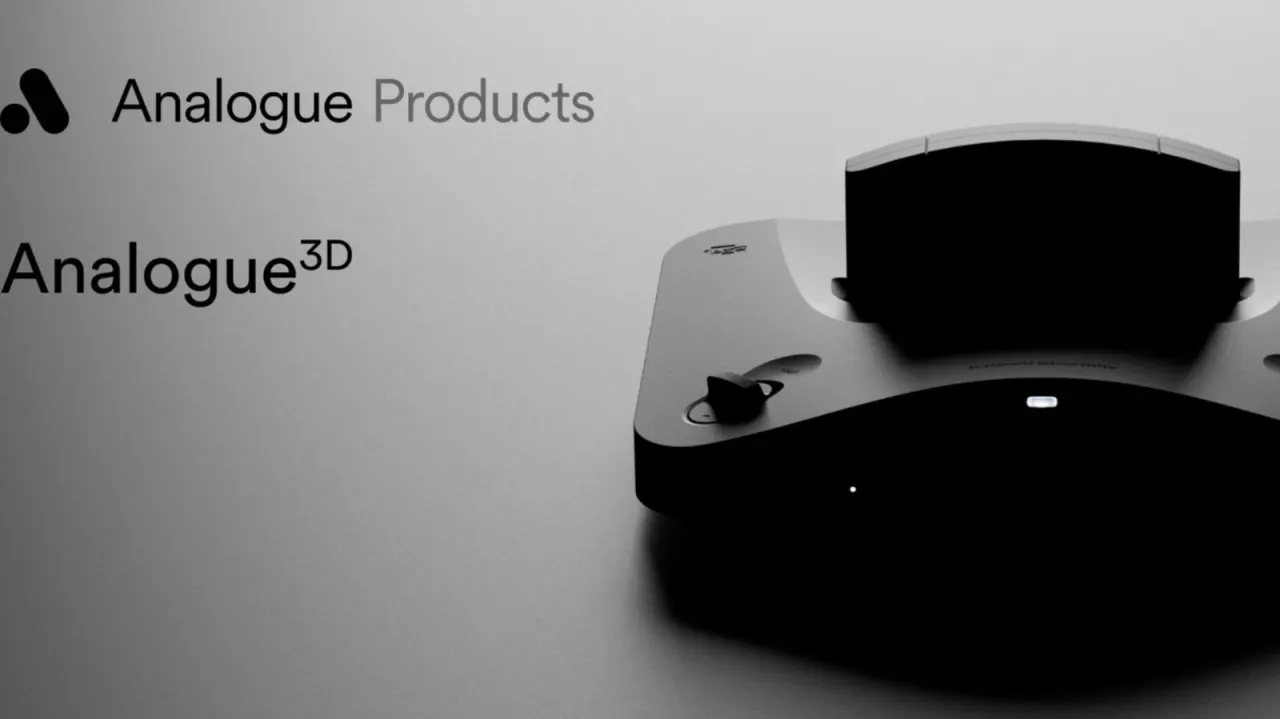
Analogue's 3D console does genuinely output a 4K HDMI signal when playing original Nintendo 64 cartridges, but this is upscaling rather than a true native 4K remaster. Marketing around "4K" retro hardware can be misleading, since original N64 games were rendered at much lower resolutions and no amount of output scaling adds detail, textures or geometry the developers never created; the device instead cleans up and stabilises the picture for modern televisions rather than reinventing the games themselves.
The N64's HDMI output can reach 3,840 x 2,160 pixels, whereas most original games ran at around 320 x 240, with some reaching 640 x 480. Using an FPGA chip rather than software emulation, the Analogue 3D removes the console's original blur filter, preserves 32-bit colour, adjusts texture filtering and anti-aliasing, and can double horizontal resolution, alongside optional CRT-style display modes, variable refresh rate support and compatibility with NTSC and PAL cartridges. Priced at $250, it supports physical N64 games and original accessories, is region-free, offers four controller ports plus Bluetooth and USB support, and is compatible with every official N64 game, though it does not support ROM files.
- Analogue 3D outputs true 4K HDMI but doesn't add detail to N64 games
- It's upscaling and image cleanup, not a native 4K remaster
- Uses FPGA hardware, costs $250, works with original cartridges only
New here? Start with this
Analogue makes an FPGA-based console called the Analogue 3D, designed to play original Nintendo 64 game cartridges on modern televisions. Unlike software emulation, it uses hardware that mimics the N64's original circuitry, and it markets the device around its ability to output a 4K HDMI signal, which has raised questions about what "4K" actually means for decades-old games.
The N64 itself, released in the 1990s, rendered games at far lower resolutions than modern screens, typically around 320 by 240 pixels, well below the 3,840 by 2,160 pixels of true 4K. This gap matters because it shapes how consumers understand what they are buying: a device can technically output a 4K signal while the underlying game content remains as detailed as it always was.
The wider context is a retro gaming market where companies sell modernised hardware for original cartridges, often using terms like "4K" or "HD" that can imply more visual improvement than upscaling technology actually delivers. This has made clear, accurate explanations of what such devices do and do not change increasingly relevant to buyers.
Both sides, in good faith
The strongest fair case each way — we don't pick a winner.
The case for
The Analogue 3D legitimately outputs a 4K signal and delivers genuine visual improvements through enhanced filtering, colour preservation and anti-aliasing adjustments that substantially improve how original games appear on modern displays. The 4K specification accurately reflects the HDMI output resolution, and the product's value lies in presenting classic games in their best possible light rather than fabricating detail. These real enhancements matter to user experience and represent honest marketing.
The case against
Describing the device as enabling 4K is misleading because consumers reasonably associate that term with the visual fidelity of modern games, when upscaling 320×240 content simply cannot achieve such quality. Original developers created these games at specific resolutions—no filtering or anti-aliasing adds detail they never created. Manufacturers should clearly communicate that this enhances the presentation of original-resolution content rather than suggest it delivers true 4K gaming.