Fjord revives Romanian debate over Norway’s removal of Pentecostal children
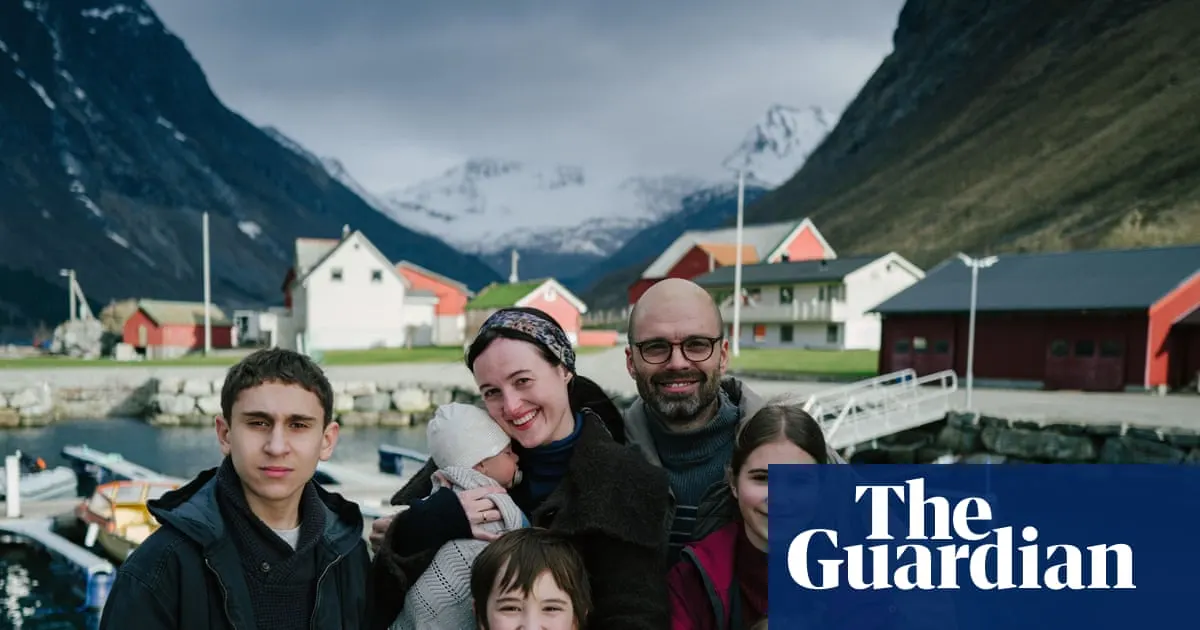
Cristian Mungiu’s film *Fjord*, which is heading to the London film festival, has revived debate in Romania about a 2015 case in which Norwegian authorities removed the five children of a Romanian Pentecostal couple over concerns about corporal punishment and religious indoctrination. The film does not recreate the case exactly, but its portrayal has struck a nerve over how liberal institutions and religious minorities are represented.
A one-night preview in Romania drew more than 40,000 people across 96 cinemas in 53 towns. Viewers disagree over whether the film challenges dogmatic liberalism or blurs the moral line against physical punishment; some say its warm portrayal of the family contrasts with cold, procedural Norwegian officials. Both Romania and Norway outlawed corporal punishment, in 2004 and 1987 respectively, but debate continues over the gap between law and attitudes.
- *Fjord* has reignited debate over a Romanian family’s Norwegian child welfare case.
- More than 40,000 people watched its one-night Romanian preview.
- Viewers disagree over how the film portrays liberal institutions and religious conservatism.
New here? Start with this
Norway’s child welfare services can investigate families and, in serious cases, remove children if they believe their safety is at risk. Physical punishment of children is illegal in both Norway and Romania, though views about discipline and the role of the state vary between communities.
In 2015, Norwegian authorities removed five children from a Romanian Pentecostal couple amid concerns about corporal punishment and religious influence. The case became a point of dispute in Romania about how Norway treats religious minorities and where to draw the line between protecting children and respecting family beliefs.
Cristian Mungiu’s film Fjord is inspired by the wider debate but does not recreate the case exactly. Its portrayal has prompted differing readings of the family, officials and the limits of liberal institutions, making the story relevant to discussions about child protection, religion and cultural differences.
Both sides, in good faith
The strongest fair case each way — we don't pick a winner.
The case for
The film can be seen as a valuable challenge to liberal institutions that may treat religious minorities’ beliefs as evidence of harm without enough care for family bonds, cultural context or the limits of state power. Its sympathetic portrayal may prompt scrutiny of whether child-protection procedures were fair and humane, even where authorities had legitimate concerns.
The case against
The film may risk making state intervention seem callous while softening the significance of physical punishment and coercive religious upbringing. From this perspective, protecting children’s safety and freedom of belief can require firm action, and a warm depiction of family life should not obscure the reasons authorities intervened.
Culture Entertainment Film Government Politics
Read the full article at the source →
Originally published by The Guardian as “Dogmatic Nordic liberals v eastern family values: culture-clash drama Fjord touches nerves in Norway and Romania”.