DOJ Antitrust Inquiry Targets Major Broadcasters Over White House Coverage Suspension
Developing story first seen 2 hours ago
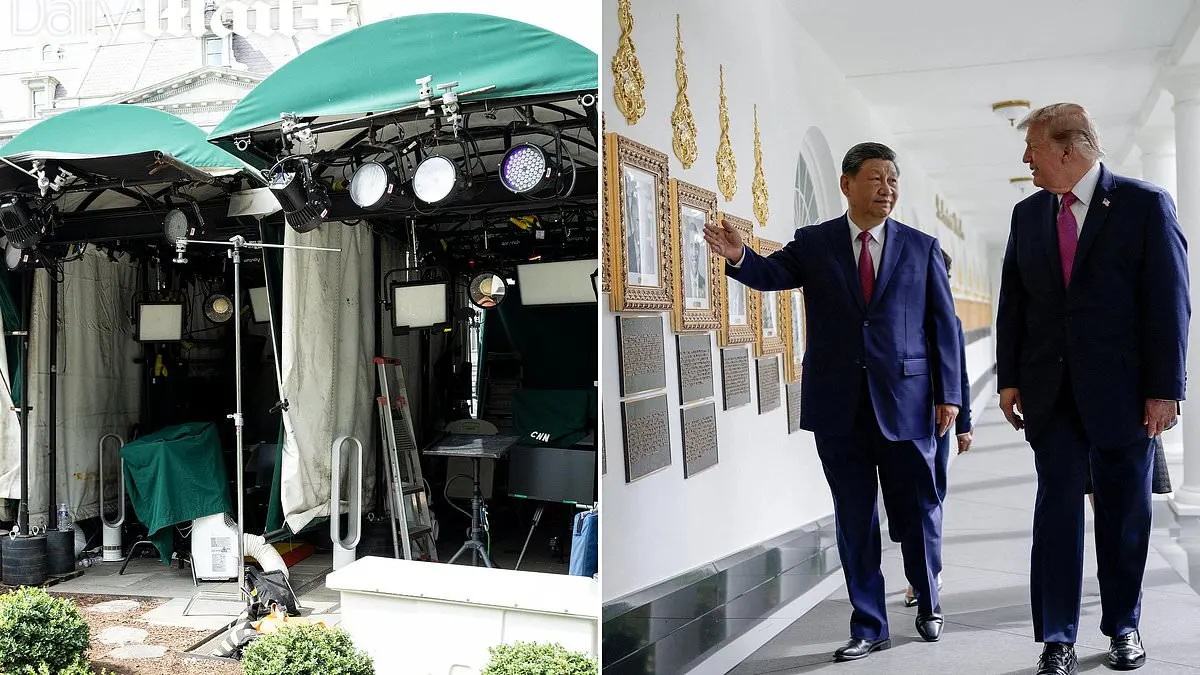
The Justice Department is investigating whether five major television networks broke antitrust law by jointly suspending White House TV pool coverage after the administration restricted CNN’s access. The probe could open another legal dispute over the boundaries between competition law and news organisations’ First Amendment protections.
CNN, CBS, ABC, NBC and Fox News share rotating pool duties because space at locations such as the Oval Office and Air Force One is limited. The networks paused their rotation for about four days from 21 September, during Chinese President Xi Jinping’s visit, reducing video coverage of related events. ABC said it had not received notice of the investigation but expected to; the inquiry follows separate lawsuits over White House access restrictions, including a temporary order requiring renewed access for dozens of reporters.
- DOJ is examining the networks’ joint suspension of White House pool coverage.
- The pause lasted about four days during Xi Jinping’s visit.
- The probe may lead to another dispute over press freedom.
New here? Start with this
Five major television networks, including CNN, ABC, CBS, NBC and Fox News, use a system called the television pool to share coverage of the White House. Space in locations such as the Oval Office and Air Force One is limited, so rather than each sending separate cameras, the networks rotate the duty of filming and share the footage. This arrangement has allowed broadcasters to cover presidential events for decades.
In September, the White House restricted CNN's access to certain press events. The other four networks responded by pausing their rotation for about four days, reducing video coverage overall. The Justice Department is now investigating whether this joint suspension violated antitrust law, which prohibits companies from colluding to restrict competition.
This investigation raises a fundamental tension in American law. Competition law seeks to prevent businesses from acting together to limit competition, yet news organisations have strong legal protections for their editorial choices under the First Amendment. The outcome could clarify whether those protections extend to joint decisions by news companies about what coverage to provide.
Both sides, in good faith
The strongest fair case each way — we don't pick a winner.
The case for
The broadcasters may argue they were engaged in legitimate collective action to defend press freedom when one outlet faced government-imposed access restrictions. Coordinated solidarity against state censorship constitutes protected speech and principled industry conduct, not unlawful collusion, particularly when the alternative is acquiescing to government restrictions on press access. The principle of defending press liberty from government encroachment should take precedence over ordinary competition law concerns.
The case against
Antitrust authorities may contend that coordinated suspension of a shared competitive arrangement constitutes illegal coordination regardless of the broadcasters' stated motive or intention. Competition law protects market competition and consumer interests, and permitting competitors to jointly restrain their practices based on political grounds would create dangerous precedent and undermine antitrust enforcement. Individual outlets remain free to protest government actions independently without coordinating their business practices with competitors.
Full account
Federal antitrust authorities have begun investigating five major American television networks for potentially unlawful conduct stemming from their collective protest against White House media restrictions. The Justice Department's examination concerns ABC, CBS, CNN, NBC and Fox News in connection with their decision to withdraw from the White House television pool—a decades-long system whereby networks rotate responsibility for recording and distributing footage of presidential activities.
The investigation focuses on whether the broadcasters' coordinated suspension of pool participation violated the Sherman Act, the foundational American antitrust statute prohibiting certain inter-competitor agreements. A Justice Department representative characterised group boycotts among business rivals as potentially unlawful, suggesting the inquiry aims to establish whether the networks breached competition law when they withheld coverage.
The networks' action followed the Trump administration's September decision to exclude CNN, Politico and MS NOW from White House grounds, citing concerns about editorial coverage. In response, the five pooled broadcasters issued a joint statement emphasising the public interest in independent reporting, before implementing a four-day suspension of their usual coverage rotation. This withdrawal proved particularly significant as it coincided with an official state visit by Chinese President Xi Jinping, substantially reducing mainstream television documentation of the diplomatic visit.
The three banned outlets subsequently filed legal challenges alleging constitutional violations, prompting a federal court to issue a restraining order temporarily restoring journalist access. The president had criticised coverage of the Xi visit without publicly acknowledging his administration's restrictions on certain reporters. Federal investigators have requested internal communications and documents from the networks regarding their coverage arrangements, according to sources cited in multiple reports.
Where outlets differ
Source 1 emphasises Trump's personal outrage and characterises the networks as deliberately refusing coverage; Source 2 maintains neutral, chronological presentation
Source 1 includes testimonials from affected journalists; Source 2 does not include personal accounts
Source 1 frames the situation as escalation in Trump's conflict with media; Source 2 avoids such characterisation
Source 2 provides substantial detail about the separate First Amendment lawsuit and court proceedings; Source 1 omits these developments entirely
Source 1 specifies DOJ officials contacted networks on Friday; Source 2 provides no temporal detail
Source 2 explicitly states Xi's visit received 'much less' coverage; Source 1 uses vaguer language about 'some major' events
Coverage
- Daily Mail — US investigates broadcasters over suspension of shared White House coverage
- Deadline — DOJ Launches Investigation Of Networks For Suspending TV Pool Amid Trump’s Ban On CNN