DOJ asks Supreme Court to restore Trump’s mail-in voting executive order
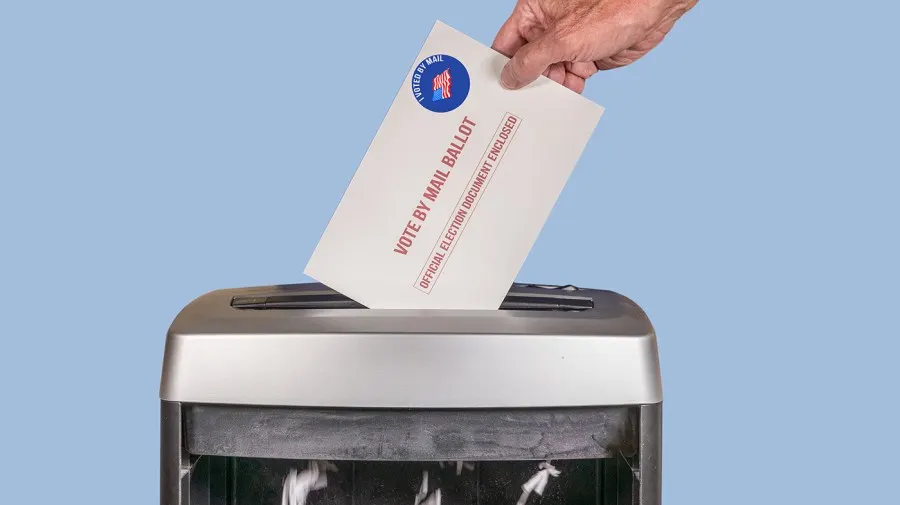
The US Department of Justice has asked the Supreme Court to allow President Donald Trump’s executive order restricting mail-in voting to take effect while legal challenges continue. The request could affect election administration before November’s midterm elections and raises a broader constitutional dispute over whether a president can direct changes to voting rules traditionally set by states and Congress.
The order, signed in March, directs federal agencies to create state lists of citizens eligible to vote and would limit postal ballots to people on those lists. Lower courts blocked key provisions in 23 states and Washington, DC, after Democratic-led states argued that the administration lacked authority; the Justice Department is seeking an emergency pause on those rulings.
In short
- DOJ wants Trump’s mail-voting order restored before the midterms.
- Courts blocked key provisions in 23 states and Washington, DC.
- The dispute centres on federal versus state election authority.
Steelman: both sides, in good faith
The strongest fair case each way — we don't pick a winner.
The case for
The executive order's supporters argue it operates within the President's legitimate constitutional authority to direct federal agencies' operations and use their data resources. They maintain that the order does not directly regulate states but rather instructs federal agencies to create eligibility lists for postal voting, which falls within the executive's constitutional power over the federal government's operations. Proponents view this as a rational exercise of executive power to address election administration concerns at the federal level.
The case against
Critics argue the Constitution vests election administration authority with states and Congress, not the President, under the Elections Clause and the Tenth Amendment's reserved powers. They contend that whilst the order nominally directs federal agencies, its practical effect is to unilaterally restrict mail-in voting—a method millions of Americans rely upon—thereby circumventing established state procedures and potentially suppressing voter participation. Such executive action, in their view, violates the constitutional separation of powers and federalism principles that have long governed American elections.
Explained simply
Mail-in voting allows people to cast their ballot by post rather than in person at polling stations. It has been used in the United States for decades and is particularly common among people who cannot reach polling stations on election day. President Trump signed an executive order in March that would restrict mail-in voting to people on newly created federal lists.
Democratic-led states and civil rights groups have challenged the order in court, arguing that the president cannot unilaterally change voting rules that have traditionally been set by individual states and Congress. Lower courts in 23 states and Washington, DC have agreed with this challenge, blocking key provisions of the order.
The dispute raises a fundamental constitutional question about how much power a president has to direct voting procedure changes without approval from Congress or states. The outcome could affect how Americans vote in future elections and will determine the proper balance of authority between the federal government and individual states.
Art Culture Government Politics