DOJ Launches Investigation Of Networks For Suspending TV Pool Amid Trump’s Ban On CNN
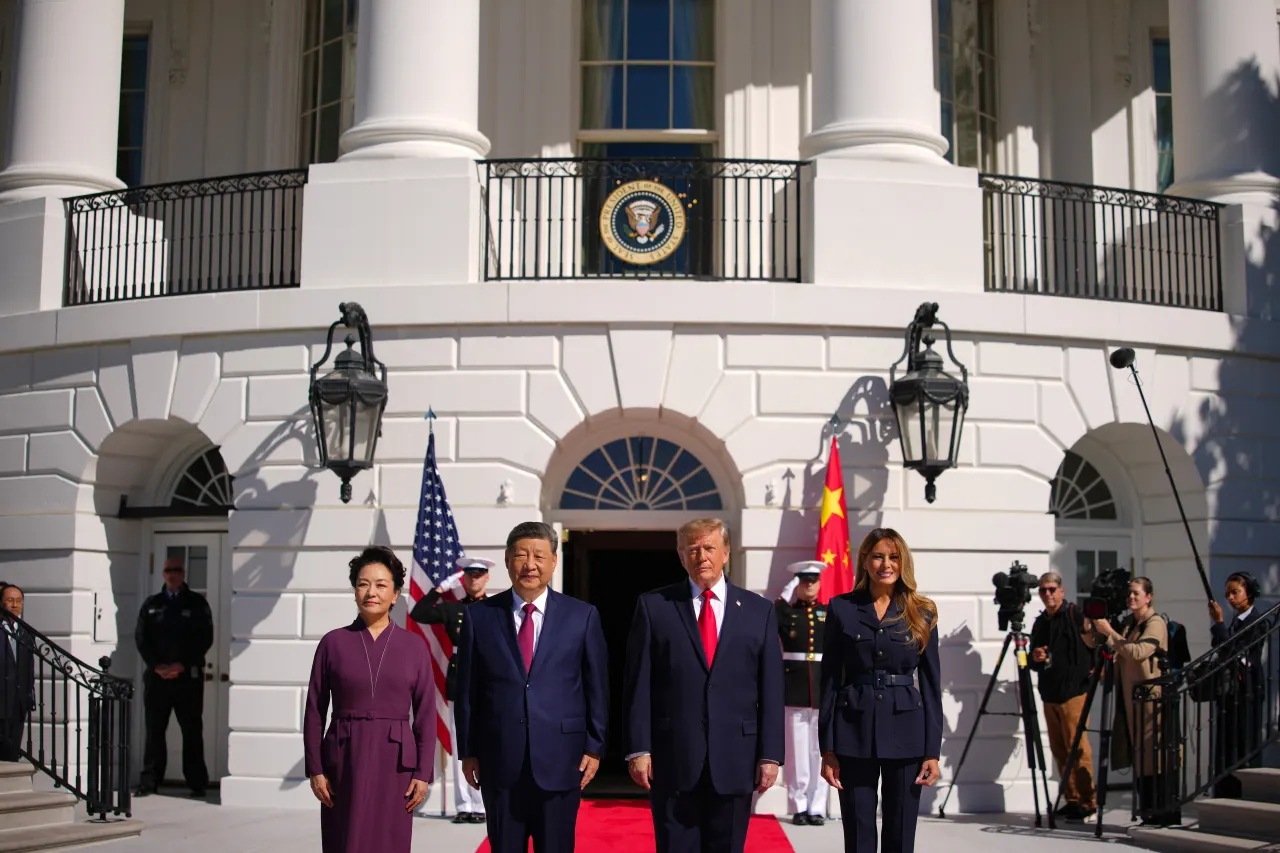
The Justice Department has launched an antitrust investigation into the five major television networks that comprise the White House press pool—CNN, CBS News, ABC News, NBC News and Fox News—following their joint decision to suspend coverage in protest of Trump's ban on CNN from White House grounds. The networks halted participation on 21 September, declaring that "no administration should restrict a news organisation because it objects to its reporting." The four-day boycott occurred during a visit by Chinese President Xi Jinping, resulting in significantly limited video coverage of major state ceremonies and events.
The Justice Department argues that the networks' coordinated suspension may violate antitrust law, stating that "group boycotts among commercial competitors" can breach the Sherman Act. Separately, CNN and other affected outlets have filed lawsuits challenging the media restrictions on First Amendment and due process grounds. A federal judge issued a temporary restraining order compelling the White House to restore press access, with Judge Timothy Kelly expected to rule by Tuesday on whether to grant a preliminary injunction that would provide longer-term protection.
- DOJ investigates five TV networks for boycotting White House pool to protest CNN ban
- Four-day suspension blocked coverage of Chinese President Xi Jinping's White House visit
- Lawsuits challenge Trump administration's press restrictions on First Amendment grounds
New here? Start with this
The Trump administration has banned CNN from the White House press pool, the group of major networks normally allowed to film official state ceremonies and events. In response, the five networks in the pool—CNN, CBS News, ABC News, NBC News and Fox News—jointly suspended their coverage for several days in September, arguing that no administration should punish a news outlet because it objects to its reporting.
When large commercial competitors coordinate their actions, antitrust regulators examine whether this breaches laws protecting fair competition. The Sherman Act prohibits group boycotts and other coordinated behaviour that might harm competition or the public interest, which is why the Justice Department's focus has turned to the networks' protest strategy.
The broader dispute raises questions about the balance between government authority and press freedom. The networks argue that banning CNN violates the First Amendment right to free speech and a free press, whilst regulatory concerns focus on whether their joint response crossed legal lines.
Both sides, in good faith
The strongest fair case each way — we don't pick a winner.
The case for
The Department of Justice has a legitimate duty to enforce antitrust law without exception based on industry or sympathetic motives. Whilst the networks' concern about press freedom is understandable, antitrust law exists precisely to prevent dominant commercial competitors from coordinating to restrict commerce, and the coordinated suspension of coverage during significant state events represents the kind of concerted action the Sherman Act was designed to address. Even well-intentioned coordination amongst major market players warrants legal scrutiny to ensure that market competition and commercial dealings remain genuinely independent rather than subject to collective pressure.
The case against
The networks' coordinated action was fundamentally an exercise of editorial judgment and political speech in defence of press freedom against government censorship, not an anticompetitive boycott in the commercial sense contemplated by antitrust law. Subjecting news organisations' collective editorial decisions to antitrust investigation—particularly when motivated by protecting constitutional press rights—creates a chilling effect on journalism and threatens the First Amendment freedoms enabling the press to hold power to account. Applying antitrust scrutiny here would improperly subordinate press freedom protections to competition law, which was never designed to constrain the editorial prerogatives of news organisations defending their access to information.