DOJ unveils nationwide tax fraud crackdown involving 76 defendants, nearly $500M in alleged losses
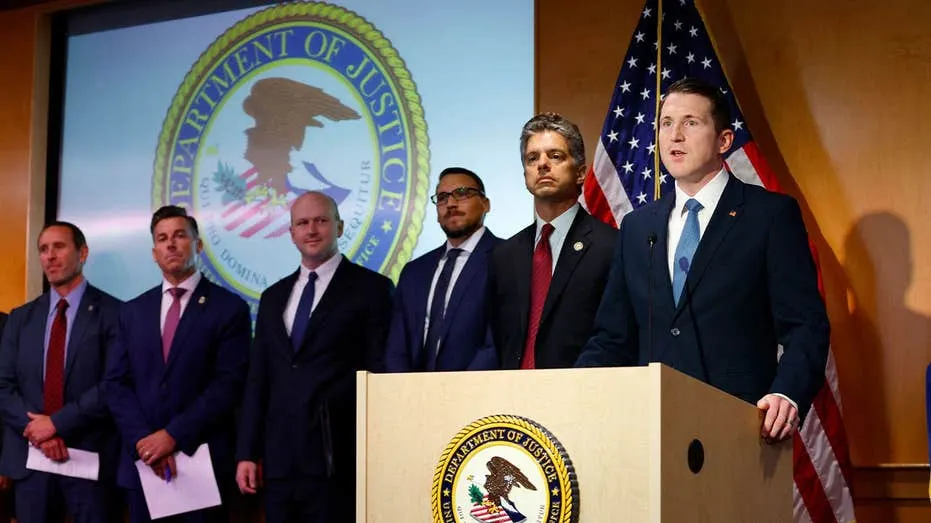
The Justice Department announced a six-week nationwide tax fraud enforcement operation involving 76 defendants and more than $490 million in estimated intended tax losses. The first National Tax Enforcement Surge brought together 35 US attorneys’ offices and IRS criminal investigators, and officials said they plan further coordinated crackdowns.
The operation produced 23 new charging actions involving more than $350 million in alleged losses; 45 other defendants faced trials, guilty pleas or sentencing in cases linked to nearly $140 million. Highlighted cases include a Texas trust scheme prosecutors say concealed more than $1.5 billion in income and caused over $200 million in estimated losses, and an alleged Georgia refund scheme involving $74 million and more than 16,000 Treasury cheques. The Justice Department is setting up a team to pursue assets allegedly bought with fraud proceeds, but has not estimated how much money may be recovered; those charged are presumed innocent.
- US authorities charged 76 defendants in a nationwide tax fraud crackdown.
- Estimated intended losses exceed $490 million.
- Officials plan further operations and efforts to recover assets.
New here? Start with this
The US Department of Justice enforces federal laws, while the Internal Revenue Service investigates tax offences and collects federal taxes. Tax fraud cases can involve hiding income, claiming refunds a person is not entitled to, or helping others do so.
Federal prosecutors bring criminal charges, and courts decide whether defendants are guilty. The cases described involve alleged schemes ranging from concealed income held through trusts to claims for tax refunds; the allegations have not been proved in court.
The cases matter because unpaid taxes and fraudulent refunds can affect public funds and the fairness of the tax system. Authorities may also seek assets they believe were bought with proceeds from fraud, though any recovery depends on the cases and court decisions.
Both sides, in good faith
The strongest fair case each way — we don't pick a winner.
The case for
A coordinated nationwide crackdown can help uncover complex tax schemes that span jurisdictions, protect public revenue and deter fraud that shifts the tax burden onto people who comply with the law. Supporters may also argue that pursuing assets allegedly bought with fraud proceeds could help recover public money, provided cases are built on evidence and defendants receive fair trials.
The case against
A large, highly publicised enforcement campaign can risk treating allegations as proof and may impose severe reputational and financial costs before guilt is established. Critics may also question whether a broad surge and a new asset pursuit team are proportionate and effective, especially when officials have not estimated likely recoveries; enforcement should be targeted, transparent and subject to due process.