Dr. Oz storms into NYC senior care centers to uncover suspected ‘Chinese mafia’ fraud ring: ‘A clubhouse for crime’
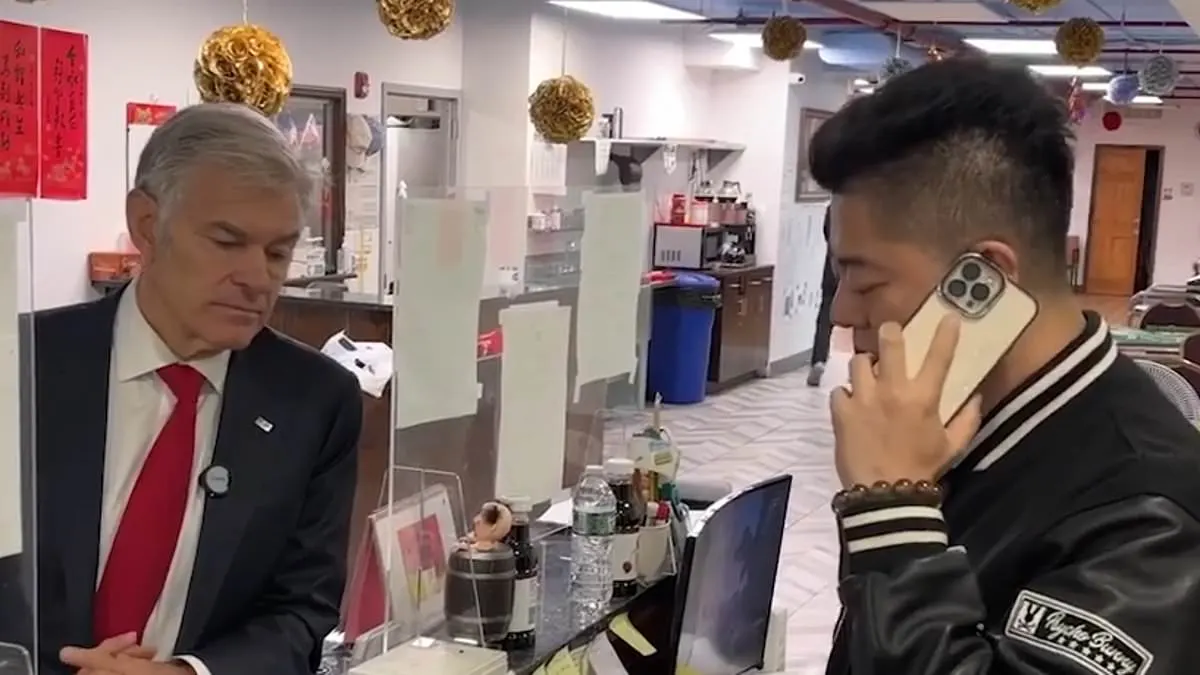
Dr Mehmet Oz visited two senior care centres in Flushing, Queens, as part of a federal probe into suspected Medicaid billing fraud. He questioned staff about attendance records and taxpayer-funded services, saying the figures he saw did not match the number of people present; the allegations could point to wider misuse of public funds.
At Kent Senior Care, Oz challenged bills that appeared to cover more people and more days than he saw attending, while the director said the visit was before patients usually arrived and that billing was based on signed attendance. At Evergreen Adult Day Care, the manager cited 200 seniors attending three days a week and 150 on two other days, but Oz said he could see about 25. Oz speculated that criminal networks, including what he called the “Chinese mafia”, might be involved, but the article reports suspicions rather than established findings. The visits were among more than 80 conducted across New York City, many involving arrests; the article also says the Trump administration announced a $25 million programme to encourage fraud reporting that day.
- Oz questioned billing at two Queens senior care centres.
- Attendance figures did not appear to match people present.
- Wider fraud claims remain under federal investigation.
New here? Start with this
Adult day care centres provide daytime activities and support for older people, and some services are paid for through Medicaid, the US public health insurance programme for people with low incomes or certain disabilities. Centres must keep records of who attends and what care they provide to support their claims for public funding.
The centres in this story are in Flushing, Queens, a New York neighbourhood with a large Chinese community. Mehmet Oz, a doctor and federal health official, has questioned whether some centres’ attendance records match the services they billed for. The centres’ representatives have offered explanations, and the reported concerns remain allegations rather than proven wrongdoing.
The case matters because inaccurate claims could mean public money is spent on services that were not provided. It also raises questions about how authorities check providers’ records and investigate suspected fraud.