Drink In ‘Low Lies The Land,’ Documentary Set In Luscious But Imperiled Winemaking Region Of Italy’s Piemonte – Toronto Film Festival
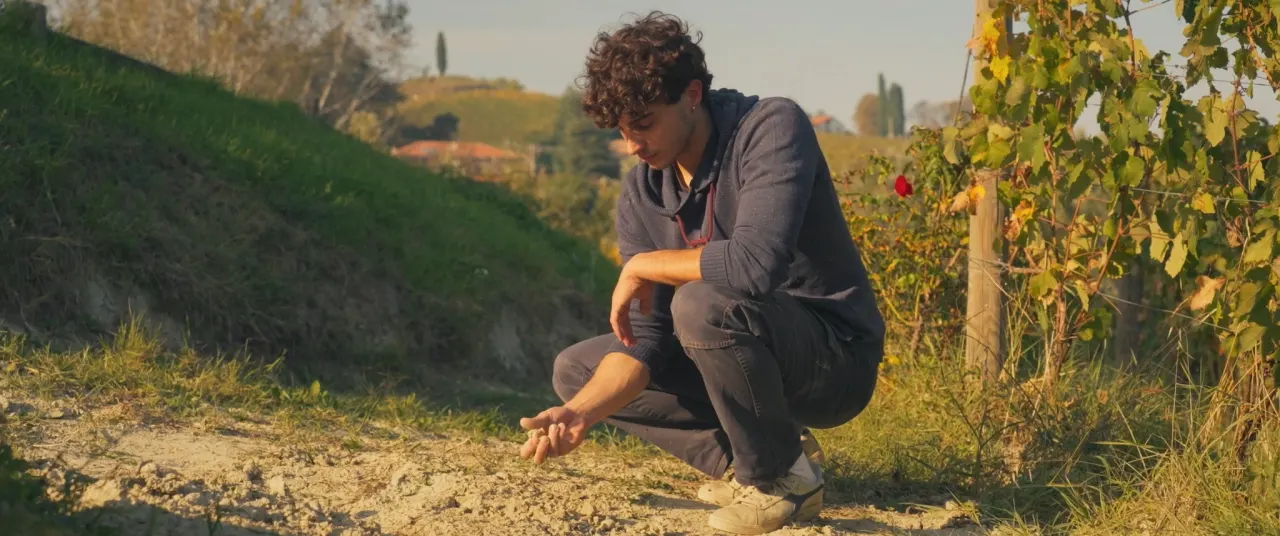
A new documentary, "Low Lies the Land," is set to have its world premiere at the Toronto International Film Festival, offering an intimate look at winemaking families in Italy's Piemonte region as they confront climate change and pressure to sell their ancestral land. Directed by Emanuele "Manu" Gerosa over six years, the film captures generations-old vineyards where younger family members are increasingly reluctant to inherit the demanding, uncertain work, even as anonymous foreign investment funds circle with lucrative buyout offers. The documentary matters as both a portrait of a threatened way of life and a broader meditation on how climate pressures and global capital are reshaping traditional rural communities across Europe.
Shot in a wide 2.39:1 format to showcase Piemonte's landscapes, the film blends what TIFF's chief documentary programmer Thom Powers calls an "escapist Italian travel fantasy" with slow-building suspense as families weigh tradition against a broker's offers, reportedly linked to a Chinese investment company. The project is produced by Real Lava and Imagine5, with Dogwoof handling sales, and features cinematography by Alvise Tedesco and a score by Jonas Struck. Following its Friday premiere, the film screens again on 15 and 18 September at TIFF.
In short
- Documentary "Low Lies the Land" premieres at TIFF, exploring Piemonte's winemaking families.
- Families face climate change, ageing farmers and offers to sell to foreign investors.
- Director Manu Gerosa spent six years filming this observational, suspenseful portrait.
Steelman: both sides, in good faith
The strongest fair case each way — we don't pick a winner.
The case for
Selling can be a rational response to climate uncertainty, demanding work and the difficulty of persuading younger generations to take over. A lucrative offer may give families financial security and allow them to choose a future beyond farming, while investment could bring resources to a region facing mounting pressures.
The case against
The vineyards represent generations of knowledge, family identity and a distinctive rural landscape that may be difficult to recover once sold. Keeping the land in local hands could help preserve that heritage and sustain community ties, even as climate change makes the work and its future less certain.
Explained simply
Piemonte is a region in north-west Italy known for vineyards and wine. Many vineyards are run by families who have worked the land for generations, with younger relatives often expected to take over.
Making wine depends on land, weather and long-term care, so climate change can make the work less predictable. At the same time, outside investors may offer families money to sell their property.
The choices facing these families reflect wider changes in rural communities: whether to continue a demanding family livelihood or sell land that may be valuable to others. Their decisions can affect local traditions and how the countryside is used.
Americas Entertainment Europe Film World