Drivers forced to use parking apps can pay up to 40% more
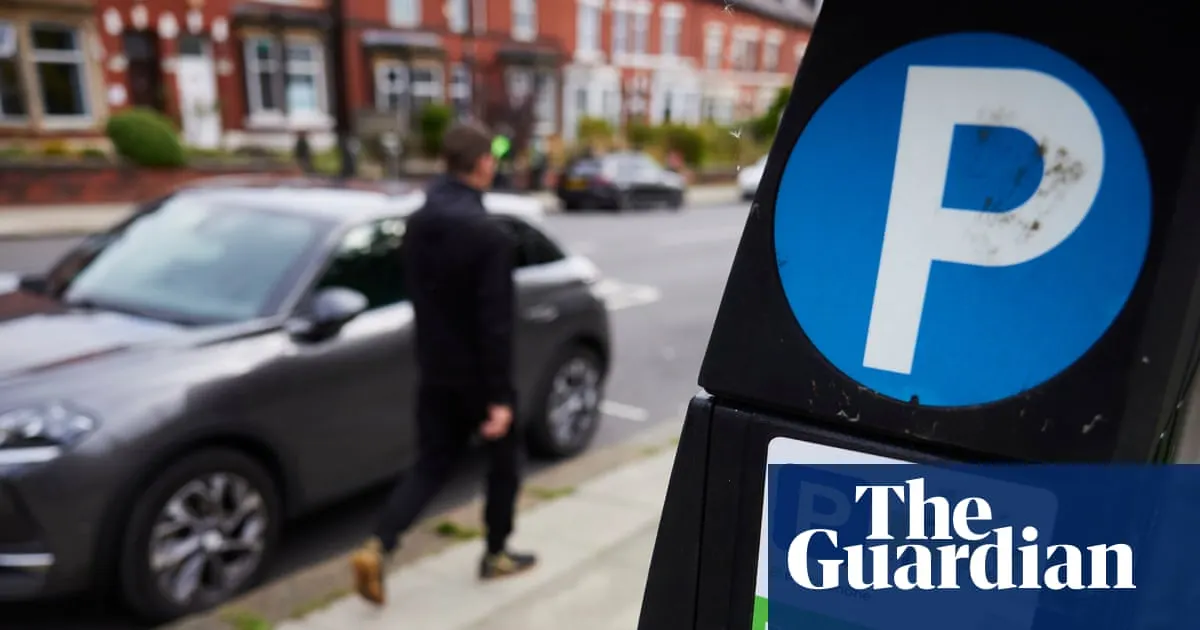
Drivers across England are being charged hidden service fees when using parking apps, with some paying up to 40% more than the advertised rate. Many councils have removed ticket machines to save money and switched to app-only payments, but instead of absorbing the app provider costs themselves, councils are passing additional "service fees" or "convenience fees" on to motorists, which are often not prominently displayed when booking.
Testing by the Guardian found that parking apps including RingGo, PayByPhone, JustPark and MiPermit all buried their additional charges, revealing them only at the payment stage or behind small information symbols. In Harrogate, a mandatory 30p fee raises parking costs by 38% on an 80p hourly tariff, whilst in Chester, a 20p charge pushes the cost of two hours' parking up by 40%. According to the Advertising Standards Authority, advertised prices should include all mandatory fees, though app fees may not legally need to appear on car park signs since they are arranged between individual councils and app providers.
- Hidden service fees of 10p to 30p raise parking costs by up to 40%
- Charges buried until payment stage, hidden behind information symbols or buttons
- Councils cut costs with apps but pass service fees to drivers
New here? Start with this
Many English councils have removed traditional parking ticket machines and now require drivers to pay using mobile apps instead. Rather than covering the costs of providing these apps themselves, councils are charging drivers additional service fees that are often hidden from view until the payment stage, making parking significantly more expensive than the advertised rate.
These hidden fees can add substantially to the cost of parking, with some drivers paying nearly 40% more than the displayed hourly rate. Many drivers across England have little alternative but to use the apps, as ticket machines are no longer available. App providers including RingGo, PayByPhone, JustPark and MiPermit all apply these extra charges, though they are typically only revealed when a driver has already begun the payment process.
Currently, there is ambiguity around the rules governing these fees. Whilst advertising standards suggest that displayed prices should include all mandatory charges, the additional costs added by parking apps may not legally need to appear on car park signs themselves, creating a gap between what drivers expect to pay and what they ultimately must pay.
Both sides, in good faith
The strongest fair case each way — we don't pick a winner.
The case for
Parking apps provide genuine convenience unavailable from physical machines—24-hour access, no coins required, flexible payments—and have legitimate operational costs for payment processing, customer support, and platform maintenance. Councils made reasonable business decisions to outsource parking management to app providers rather than maintain physical infrastructure themselves. The fees, whilst not prominently displayed, are disclosed before final payment, allowing consumers to make informed choices about whether the convenience justifies the extra cost. Similar service charges exist across online transactions, and market competition between apps and parking alternatives should naturally constrain excessive fees.
The case against
Advertised parking prices should include all mandatory charges according to the Advertising Standards Authority, making the practice of revealing fees only at checkout deceptive and misleading to consumers. A 40% increase far exceeds any plausible operational cost and appears exploitative rather than legitimate cost recovery. Removing physical parking machines removes consumer choice entirely and creates a captive market where drivers must use apps, disproportionately harming elderly people and those without smartphones or technological familiarity. Councils have a fundamental duty to ensure fair and transparent pricing regardless of outsourcing arrangements, and cannot absolve themselves of consumer protection responsibilities through contracting decisions.