UK van drivers face extra £2.5bn in diesel costs this year, figures show
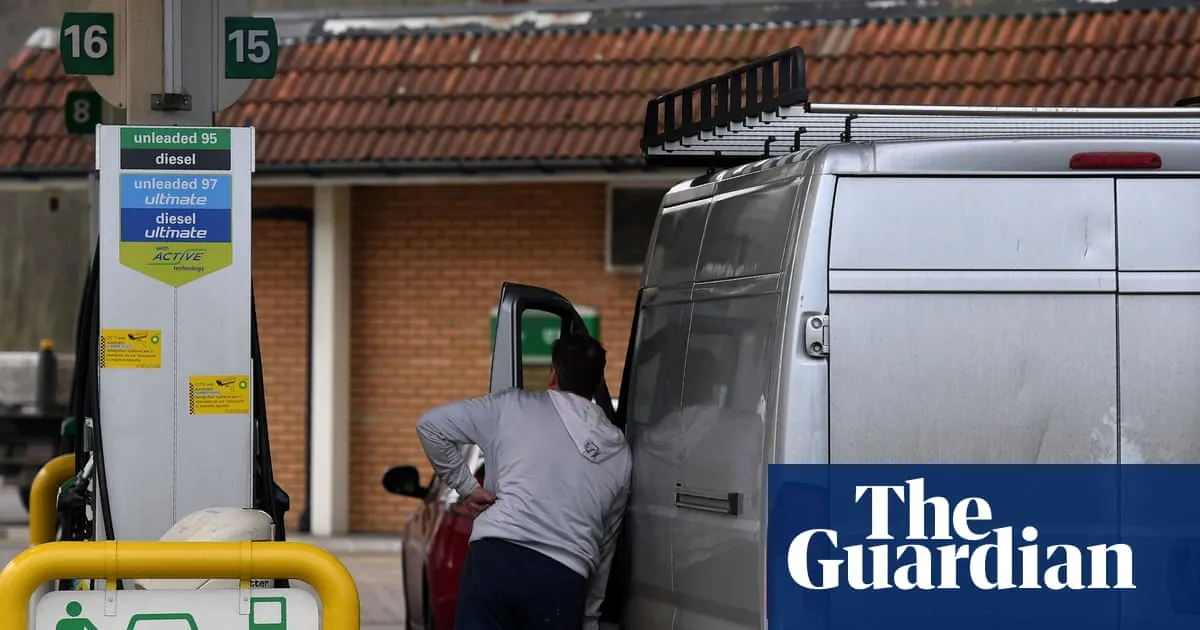
British van drivers are facing a combined £2.5bn increase in diesel costs this year as global fuel shortages push prices to record highs. Rising fuel costs for van operators typically get passed on to consumers through higher food and retail prices. The government's planned fuel duty rise of 3p per litre from January and 2p from March has prompted calls for intervention to protect businesses operating on thin margins.
Analysis by Moneysupermarket shows van operators will collectively spend £8.5bn at the pump this year, up from £5.95bn in 2025, with the average van driver's annual fuel bill rising to £1,965 from £1,294. Diesel prices have surged over 40% since late February due to Middle East and Russia refinery disruptions, with pump prices exceeding £2 a litre for the first time this month. The Road Haulage Association is calling for a 15p-per-litre fuel rebate similar to support offered by Spain, France and Italy, as about 95% of UK light commercial vehicles remain diesel-powered.
- UK van drivers face £2.5bn extra diesel costs this year
- Average fuel bill surging from £1,294 to £1,965 annually
- Industry calls on government to cancel planned fuel duty rise
New here? Start with this
The cost of running a van in Britain has risen sharply due to global fuel shortages pushing diesel prices to record levels. Since late February, diesel prices have jumped more than 40%, driven by disruptions to refineries in the Middle East and Russia. When van operators' costs go up, the increases typically flow through to consumers in the form of higher prices for food and retail goods.
Nearly all UK light commercial vehicles rely on diesel, so the impact is widespread across businesses that depend on van transport. Operating margins in this sector are already tight, so many businesses struggle to absorb rising fuel costs without increasing prices to customers. The situation has been made worse by government plans to raise fuel duty by 3p per litre in January and a further 2p in March.
Several European countries, including Spain, France and Italy, have introduced fuel rebates to help their commercial transport sectors. The Road Haulage Association is pressing the UK government to introduce similar support, arguing that without intervention, British businesses will fall behind their international competitors.
Both sides, in good faith
The strongest fair case each way — we don't pick a winner.
The case for
Van operators are experiencing a genuine crisis driven by global supply disruptions entirely beyond their control, with diesel prices up 40% in months and costs being passed directly to consumers through higher food and retail prices. When other major EU economies—Spain, France, Italy—recognised this threat to their logistics sectors and consumer prices, they provided targeted fuel relief; the UK should consider similar intervention to protect small businesses operating on paper-thin margins and prevent systemic disruption to essential supply chains.
The case against
Providing fuel duty relief or subsidies means diverting scarce public money from the NHS, schools and infrastructure during a period of severe fiscal constraint, whilst other sectors—agriculture, hospitality, manufacturing—also face genuine inflationary pressures and receive no equivalent support. Market price signals matter; van operators, like all businesses, must adjust pricing and operations in response to real conditions, and temporary government intervention typically creates distortions and moral hazard rather than solving underlying problems. Fuel prices are cyclical and will moderate naturally without state support.