Drivers paying £10 a gallon for fuel at record number of UK forecourts amid soaring petrol and diesel prices, piling pressure on Labour to abandon New Year Fuel Duty hike
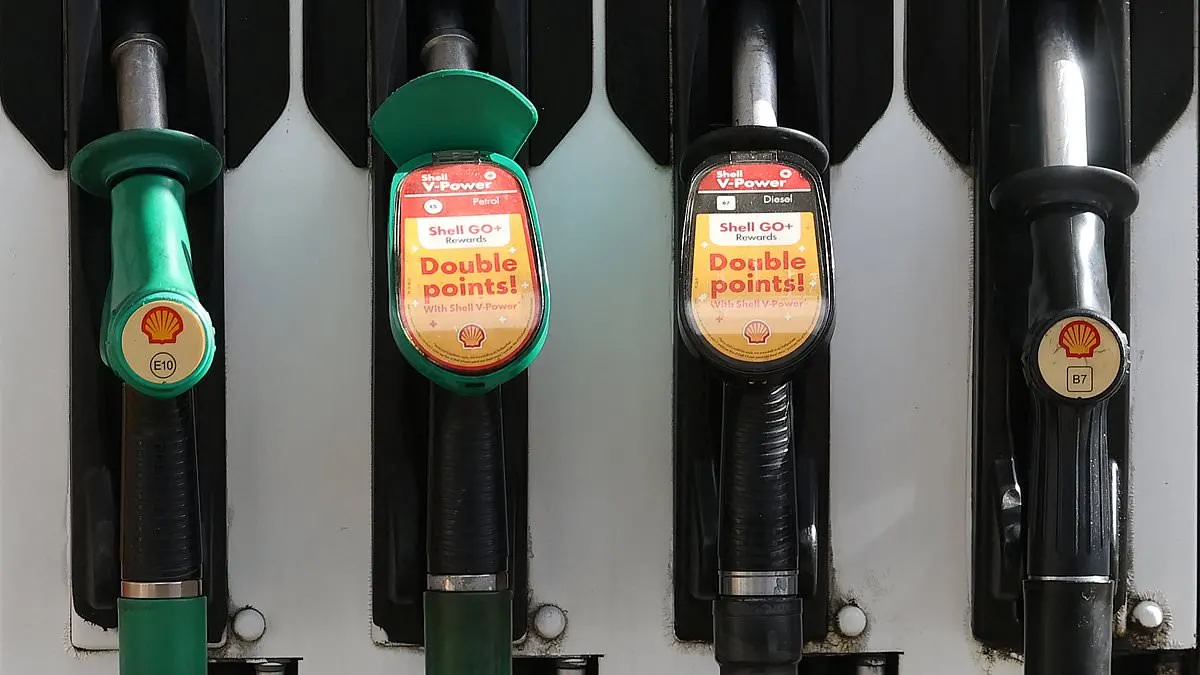
Diesel has reached the equivalent of £10 a gallon at a record number of UK forecourts, intensifying pressure on Labour to reconsider planned Fuel Duty increases. High pump prices are also affecting household spending and businesses, with haulage costs potentially feeding through to prices for consumers.
Prices reached 220p a litre at nearly ten forecourts, while up to 144 more were charging as much as 219.9p. A survey of nearly 10,000 people found six in ten were driving much less and nearly seven in ten were cutting spending elsewhere; nearly nine in ten backed freezing or cutting Fuel Duty. Planned rises total 5p a litre in January and March, with a further 1p scheduled from April; including VAT, the increase could add about £4 to filling a family car.
- Diesel has reached £10 a gallon at dozens of forecourts.
- Drivers are cutting journeys and other household spending.
- Nearly nine in ten surveyed back freezing or cutting Fuel Duty.
New here? Start with this
Fuel Duty is a tax added to petrol and diesel at the pump. Recent months have seen fuel prices across the UK reach historically high levels, putting significant pressure on household budgets and business costs, particularly for industries like haulage that depend heavily on fuel.
The Labour government has scheduled increases to Fuel Duty starting in January 2026, with additional increments through to April. Recent surveys show that most people have responded to high fuel costs by driving less and reducing other spending, and that an overwhelming majority of the public opposes the planned duty increases.
Rising fuel costs have ripple effects beyond the forecourt. Higher fuel duty can increase business operating costs, which companies may pass on to consumers through higher prices for goods and services. This makes fuel policy decisions significant for wider economic impacts and the cost of living.
Both sides, in good faith
The strongest fair case each way — we don't pick a winner.
The case for
Families and businesses are already struggling with unprecedented fuel costs, with nearly nine in ten opposing further duty increases. Adding £4 to a typical fill-up compounds existing hardship and will push already-stretched households into deeper financial difficulty. The government should postpone increases until prices normalise, avoiding unnecessary damage to living standards and small business costs when people are most vulnerable.
The case against
Fiscal policy cannot be held hostage to commodity price fluctuations. Fuel duty has not risen in real terms for over a decade; suspending it whenever prices spike makes future increases politically impossible, creating a ratchet effect. The planned rises are modest and phased; businesses and households will adjust, and the revenue is essential for infrastructure investment. Postponing difficult fiscal decisions invites budgetary pressure elsewhere or underinvestment in public services.