Technology news and discussion on TalkFuse.
US plans air traffic network upgrades after five-hour nationwide stoppage
Developing story first seen 3 hours ago
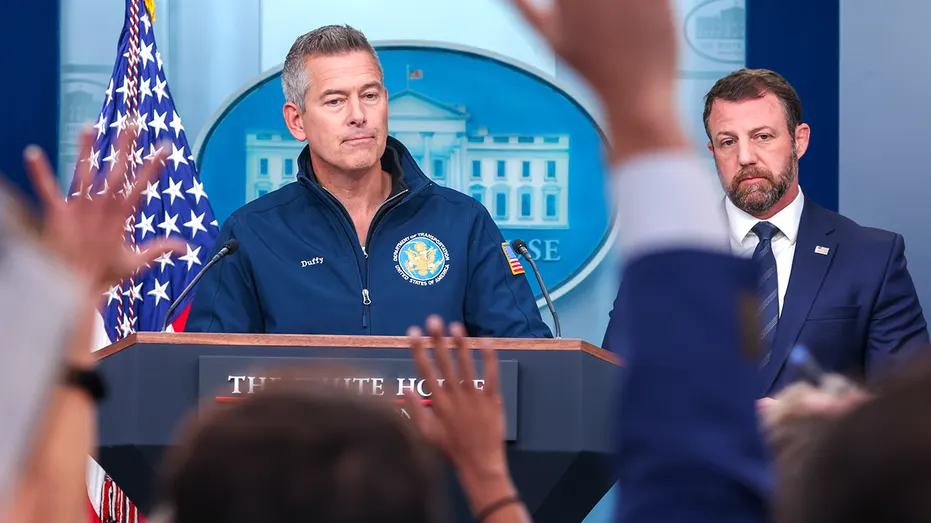
Sean Duffy says the US will build a more resilient air traffic control communications network and replace software dating from the 1990s, following Friday’s nationwide ground stop. He said the disruption highlighted weaknesses in ageing infrastructure and that new software could improve safety and efficiency.
Congress has allocated $12.5 billion for radar and radios, which Duffy said are being ordered and deployed as they arrive. The FAA and contractor L3Harris are investigating whether a network fault, router problem or installation error caused the outage; officials said they found no evidence of a cyberattack. The roughly five-hour stop affected more than 1.5 million passengers, and over 12,000 flights were cancelled, with disruption continuing through the weekend.
- Sources
- 2
- Outlets
- 2
- Left · Centre · Right
- 0 · 0 · 2
In short
- Duffy plans a more resilient air traffic network and newer software.
- $12.5 billion is allocated for radar and radios.
- Friday’s outage affected over 1.5 million passengers.
How this story developed
- 1 hour ago The FAA’s inquiry was reported to involve the FBI alongside contractor L3Harris, while officials continued to say they had found no evidence of a cyberattack; $12.5 billion allocated by Congress for radar and radios was being used to update the system.
- 1 hour ago Sean Duffy said the US would replace 1990s-era air traffic control software and build a more resilient network after a five-hour nationwide ground stop affected more than 1.5 million passengers and led to over 12,000 cancellations.
Full account
The US government plans a broad update of the country’s air traffic control infrastructure after a technical failure halted departures nationwide for about five hours on Friday. Transportation Secretary Sean Duffy said the aim is to replace ageing communications equipment and build a more resilient network, alongside developing new software for managing aircraft in US airspace.
Congress has allocated $12.5bn for radar and radio equipment, Duffy said in a Monday television interview. He said procurement was under way, with payments to be made as equipment is delivered and installed. The funding forms part of a wider modernisation effort covering communications, surveillance and other systems. Duffy said existing flight-management software dates from the 1990s and, while functional, should be replaced to improve safety and efficiency.
The cause of Friday’s disruption remained under investigation. Duffy said intelligence agencies had found no indication of a cyberattack. The Federal Aviation Administration is examining whether a network fault, router problem or installation error was responsible, working with contractor L3Harris, which installed the router under scrutiny. Duffy said the router had been secured and that the FBI had also been asked to take part in the inquiry. The stoppage affected more than 1.5 million passengers; the FAA reported over 12,000 cancellations that day, with disruption continuing over the weekend.
A separate United Airlines outage on Monday night brought further delays, only days after the nationwide stoppage. The airline initially reported a widespread systems problem and advised passengers to check flight updates, then said the issue had been resolved. A company spokesperson said some flights were delayed, but flights already in the air and United Express services were unaffected; the airline reported no indication of a cyberattack. The reports therefore describe two distinct incidents: Friday’s FAA-related nationwide ground stop and a later problem within United’s own systems.
Where outlets differ
From the full account, which is AI-written from the sources:
The first report centres on Duffy’s proposed federal infrastructure and software upgrades, the investigation into Friday’s FAA disruption and its passenger impact. The second focuses on Monday’s United Airlines outage and its resolution, placing it in the context of recent technical interruptions affecting businesses and travellers. It does not report that United’s problem was connected to Friday’s FAA stoppage; the incidents are presented separately.
The reports give different figures for Friday’s disruption: the first says more than 1.5 million passengers were affected, while also reporting over 12,000 cancellations. The second describes the FAA stoppage as nationwide but provides no passenger or cancellation totals. Their cyberattack comments also relate to different events: Duffy discussed the FAA investigation, while United said there was no indication its own outage was cyber-related.
Steelman: both sides, in good faith
The strongest fair case each way — we don't pick a winner.
The case for
The ground stop shows how ageing communications and software can leave a critical national system vulnerable to disruption, with serious consequences for passengers and the wider economy. Modernising the network and equipment could improve resilience, safety and efficiency, and the disruption makes a strong case for acting promptly.
The case against
Modernisation may be necessary, but a major upgrade carries costs and implementation risks in a system where reliability is paramount; rushed changes could create new problems. Congress has already provided $12.5 billion for radar and radios, so officials should first establish what caused the failure and show that further investment is targeted, effective and carefully managed.
Explained simply
Air traffic control is the system that helps aircraft travel safely through busy skies and land at airports. In the United States, the Federal Aviation Administration (FAA) oversees this work, using communications links, radar and software to share information between controllers and pilots.
The system relies on technology of different ages, including software dating from the 1990s. Congress has allocated $12.5 billion for radar and radio equipment, while officials are also examining what caused the network fault behind the stoppage. They have said they found no evidence of a cyberattack.
Reliable air traffic systems matter because a failure can delay or stop flights across a wide area, affecting passengers and airlines. Upgrades are intended to make the network more resilient and support safe, efficient air travel.
Coverage · 2 sources
Bias meters
From 2 rated sources.
Cybersecurity Technology World
Read the full article at the source →
Originally published by Fox News as “Duffy vows to modernize aging air traffic system after nationwide ground stop”.