Video games news, releases, esports and culture — all the biggest gaming stories in one place.
Dwarf Fortress co-creator Tarn Adams was amazed other devs had heard of his game the first time he went to a convention: ‘I didn’t know that anyone knew what we were doing’
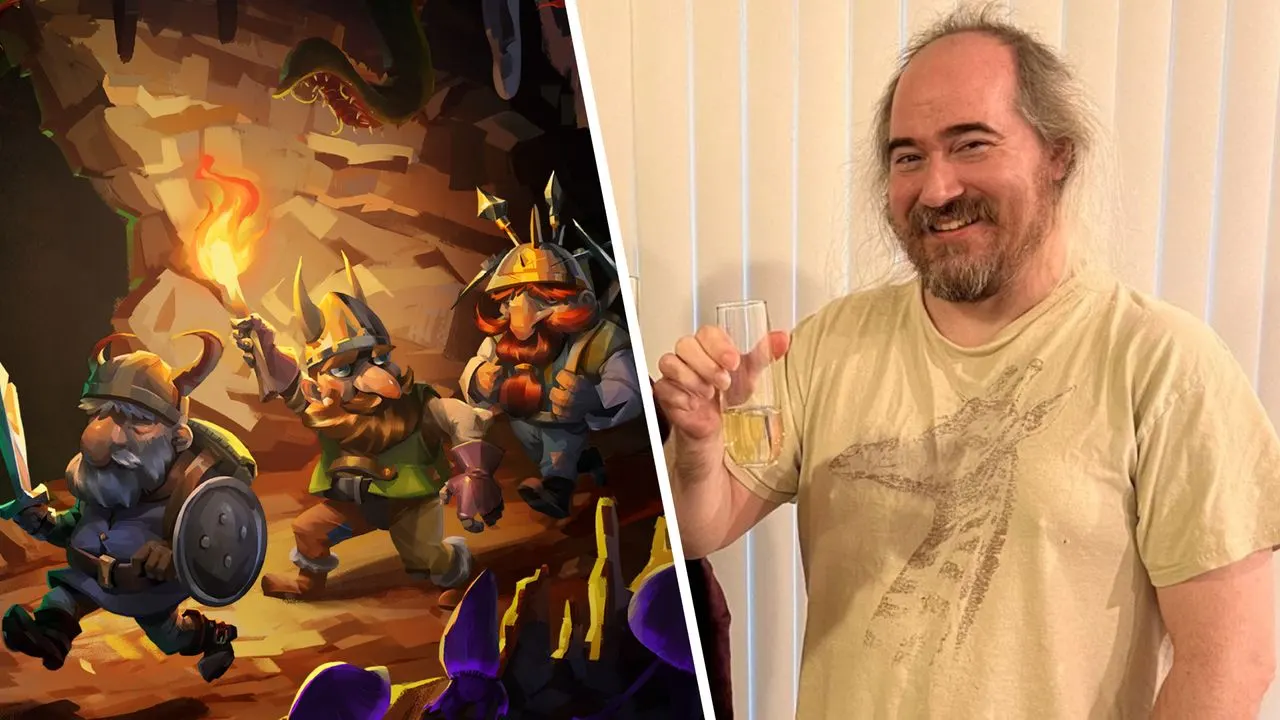
Dwarf Fortress co-creator Tarn Adams has recalled his surprise at discovering, on his first visit to a games industry convention, that fellow developers were already familiar with his notoriously complex simulation game. Having spent years developing Dwarf Fortress largely in isolation with his brother Zach, Adams said he had no idea the project had built a following or reputation among peers in the industry, describing the moment as a realisation that their niche, self-funded work had reached further than he'd assumed.
The anecdote reflects the unusual trajectory of Dwarf Fortress, which began as a free, famously obtuse ASCII-based project long before its 2022 Steam release brought it mainstream attention and commercial success. Adams's comments highlight how word of the game's depth and influence spread organically through the developer community even during the years it operated well outside the commercial spotlight, ahead of its wider breakthrough with a paid, more accessible version.
In short
- Tarn Adams was stunned other developers already knew Dwarf Fortress at a convention
- He'd developed the game in relative isolation with brother Zach
- Reflects the cult following Dwarf Fortress built before its 2022 Steam launch
Explained simply
Dwarf Fortress is a construction and management game in which players oversee a settlement of dwarves in a detailed, changing world. Brothers Tarn and Zach Adams began making it independently and released it free to play, with an early version showing the game world through text characters rather than conventional graphics.
The game became known for its complexity and the many ways its systems can interact, attracting players and fellow developers over time. In 2022, a paid version arrived on Steam with graphics and interface changes, bringing the long-running project to a wider audience.