ECB official warns climate crisis poses growing threat to ‘core financial stability’
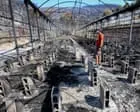
A senior European Central Bank official has warned that the climate crisis and the degradation of nature are becoming major threats to financial stability. Frank Elderson said increasingly frequent disasters, such as the wildfires affecting France and Spain, can damage homes, businesses and economies, while the decline of natural systems creates broader and harder-to-measure risks for banks.
The ECB is expanding its work on “ecosystem services” such as water, food-producing habitats and natural processes that underpin economic activity. It plans to publish analysis later this year on how environmental degradation could lead to credit losses for eurozone banks; Elderson said the risks could affect growth, inflation, creditworthiness and long-term stability. He helped found the Network for Greening the Financial System in 2017, though the US withdrew from it under Donald Trump last year.
In short
- ECB says climate and nature loss threaten financial stability.
- Wildfires illustrate the growing economic cost of extreme weather.
- ECB will assess environmental risks to eurozone banks.
Steelman: both sides, in good faith
The strongest fair case each way — we don't pick a winner.
The case for
Climate-related risks are increasingly material to financial stability, and prudent risk management demands the ECB address them. Physical damages from extreme weather directly threaten collateral values and borrower repayment capacity, whilst supply disruptions affect inflation and growth. Banks hold concentrated exposures to climate-vulnerable sectors and cannot assume historical stability patterns persist. The ECB's duty to safeguard financial stability naturally extends to understanding these systemic risks before compound failures cascade through the system.
The case against
Whilst climate impacts matter, framing them as core financial stability threats risks overstating speculative, uncertain risks and exceeding proper central bank mandates. Quantifying climate-related financial losses remains methodologically contested, with substantial uncertainties in timing and attribution. Some argue central banks focusing heavily on climate risk compromise the independence essential to their core functions, and that vague ecosystem services frameworks risk becoming tools for environmental policy rather than genuine risk assessment.
Explained simply
The European Central Bank (ECB) helps set monetary policy for countries that use the euro and monitors risks to the financial system. Banks lend to households and businesses, so damage to the wider economy can make it harder for borrowers to repay loans and affect banks’ stability.
Climate change can increase the frequency or severity of disasters such as wildfires, damaging property and disrupting businesses. Nature also supports economic activity through resources and processes such as clean water and fertile habitats; when these decline, the effects can be widespread and difficult to assess.
Frank Elderson is a senior ECB official involved in the bank’s work on climate and nature-related risks. The ECB is examining how environmental damage could affect eurozone banks’ lending and losses, because those risks may also influence economic growth, prices and the availability of credit.
Business Climate Economy Europe Government Markets Politics Science World