ECB raises interest rates to 2.5% amid warning Iran war is fuelling inflation
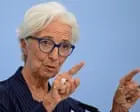
The European Central Bank raised its key interest rate to 2.5% and warned that the risk of higher inflation has increased following renewed fighting in the Middle East, spooking investors who had expected the rise but not the hawkish tone accompanying it. The move came as oil and gas prices surged overnight after fresh US and Iranian attacks on shipping in the Strait of Hormuz, pushing government borrowing costs across Europe and the UK sharply higher and raising fears of broader inflationary pressure heading into winter.
The ECB lifted rates from 2.25% and now expects eurozone inflation to average 3% this year, while raising its 2026 growth forecast to 0.9%. Brent crude passed $105 a barrel, UK gas prices hit their highest since December 2022, and UK 10-year gilt yields reached 5.295%, a 19-year high, with German and French bond yields also climbing to multi-decade peaks. Analysts noted core inflation remains contained for now, but warned that EU gas stores are only 67% full versus a five-year average of 84%, leaving markets vulnerable as buyers delay restocking in hopes the conflict eases before the heating season.
In short
- ECB raises rates to 2.5%, citing Middle East-driven inflation risks
- Oil tops $105/barrel after US-Iran clashes in Strait of Hormuz
- UK, German, French government bond yields hit multi-decade highs
Steelman: both sides, in good faith
The strongest fair case each way — we don't pick a winner.
The case for
Raising rates can help prevent a temporary energy shock from feeding into wider, persistent inflation through wages, prices and expectations. The ECB can argue that acting now, while core inflation remains contained, protects households’ purchasing power and its credibility, even if higher borrowing costs weigh on demand and growth.
The case against
The case for caution is that higher rates cannot restore disrupted energy supplies, but can make mortgages, business investment and government borrowing more expensive across an already uncertain economy. With core inflation still contained and the conflict’s duration unclear, waiting for more evidence could avoid unnecessary economic damage while leaving the ECB able to respond if price pressures spread.
Explained simply
The European Central Bank sets interest rates for countries that use the euro. Higher rates make borrowing more expensive and can help slow price rises, though they can also weigh on spending and economic growth.
Oil and gas prices affect the cost of transport, heating and many goods. The Strait of Hormuz is a key route for energy shipments, so disruption there can push prices up; Europe’s gas reserves are also below their usual level for this time of year.
The ECB’s choices matter beyond the eurozone because financial markets are linked: changes in expected inflation and interest rates can affect government borrowing costs in the UK and across Europe. The balance is between keeping inflation under control and avoiding too much pressure on households, businesses and growth.
Business Economy Europe Middle East Software Technology World