Edward Zhang, Casper Van Dien, Jeff Fahey Star in China-U.S. WWII Spy Series ‘Operation Doolittle,’ Heading to Busan Market (EXCLUSIVE)
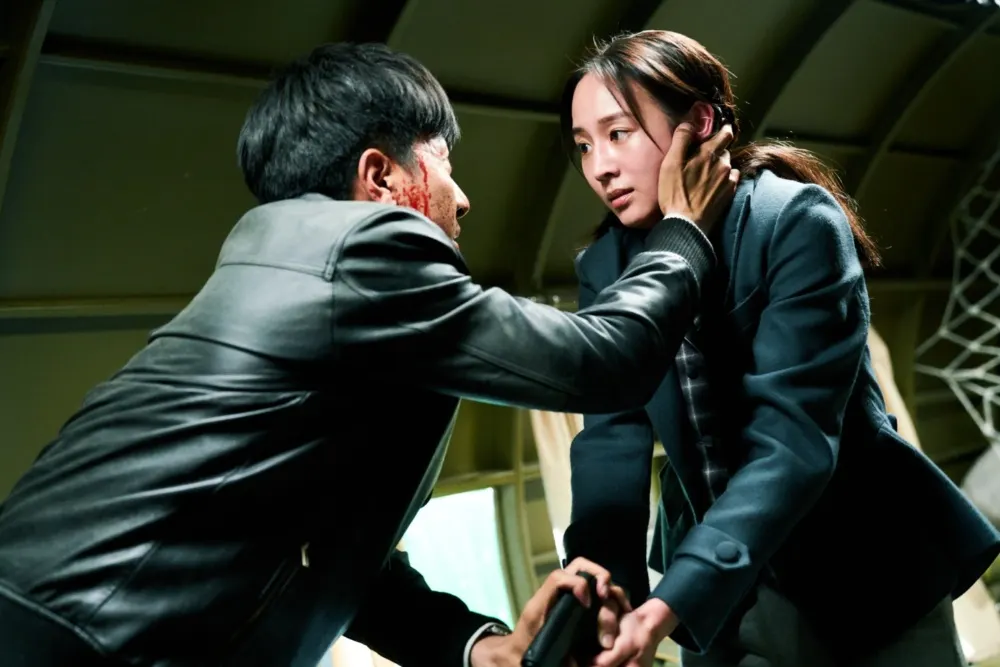
A China-U.S. co-production WWII espionage drama called "Operation Doolittle" is heading to the Busan International Film Festival's Asian Contents & Film Market for international sales. The nine-part series, starring Edward Zhang, Casper Van Dien and Jeff Fahey, tells a fictional spy story centred around the 1942 Doolittle Raid, with an American intelligence officer and Chinese agent working together to retrieve secret bombing plans. This project represents a new generation of China-U.S. co-productions that bring historical events to audiences from both perspectives.
The series originally aired in China earlier this year as "River Sunset" before being recut into nine 60-minute episodes for international audiences under its new title. The story features characters speaking English, Chinese and Japanese, and blends battlefield action with themes of conflicted allegiances and undercover operations. The show is directed by China's Zhao Yilong and American filmmaker Shaun Piccinino, with Cappu Films representing it as worldwide sales agent at Busan.
- WWII spy drama "Operation Doolittle" debuts at Busan market with international cast
- China-U.S. co-production spins fictional story around 1942 Doolittle Raid
- Series originally aired in China, recut for global audiences
New here? Start with this
"Operation Doolittle" is a television drama series set during the Second World War that tells a fictional spy story centred on the 1942 Doolittle Raid. The story follows an American intelligence officer and a Chinese agent who work together to retrieve secret bombing plans, blending wartime espionage with themes of divided loyalties.
The nine-part series stars American actors Casper Van Dien and Jeff Fahey alongside Chinese actor Edward Zhang. It was directed by China's Zhao Yilong and American filmmaker Shaun Piccinino, and originally aired in China earlier this year under the title "River Sunset" before being recut into nine 60-minute episodes for international audiences.
This project represents a growing trend of co-productions between China and the United States that present historical events to audiences from multiple perspectives. The series features dialogue in English, Chinese and Japanese, bringing together storytellers and actors from both countries to explore shared history.
Both sides, in good faith
The strongest fair case each way — we don't pick a winner.
The case for
Proponents argue that China-U.S. co-productions represent valuable cultural diplomacy and soft power that foster mutual understanding during tense geopolitical periods. By bringing together creators from both nations to explore shared historical moments, such collaborative projects can deliver nuanced, multi-perspective narratives that reach global audiences whilst demonstrating that creative and commercial partnership can thrive across national lines. These person-to-person connections through entertainment build the kind of human bridges that reduce misunderstanding and suspicion between peoples.
The case against
Critics raise legitimate concerns about state influence over content in such partnerships, particularly when exploring sensitive historical narratives. Given existing tensions over intellectual property, creative control, and content censorship in China-U.S. ventures, sceptics question whether these collaborations represent genuine artistic exchange or inadvertently serve strategic interests and propaganda purposes. Some argue that investing in such projects during heightened U.S.-China tensions may risk compromising historical accuracy, artistic integrity, and Western strategic interests whilst normalising problematic power dynamics.