The 10 most bizarre movie controversies of the 2010s
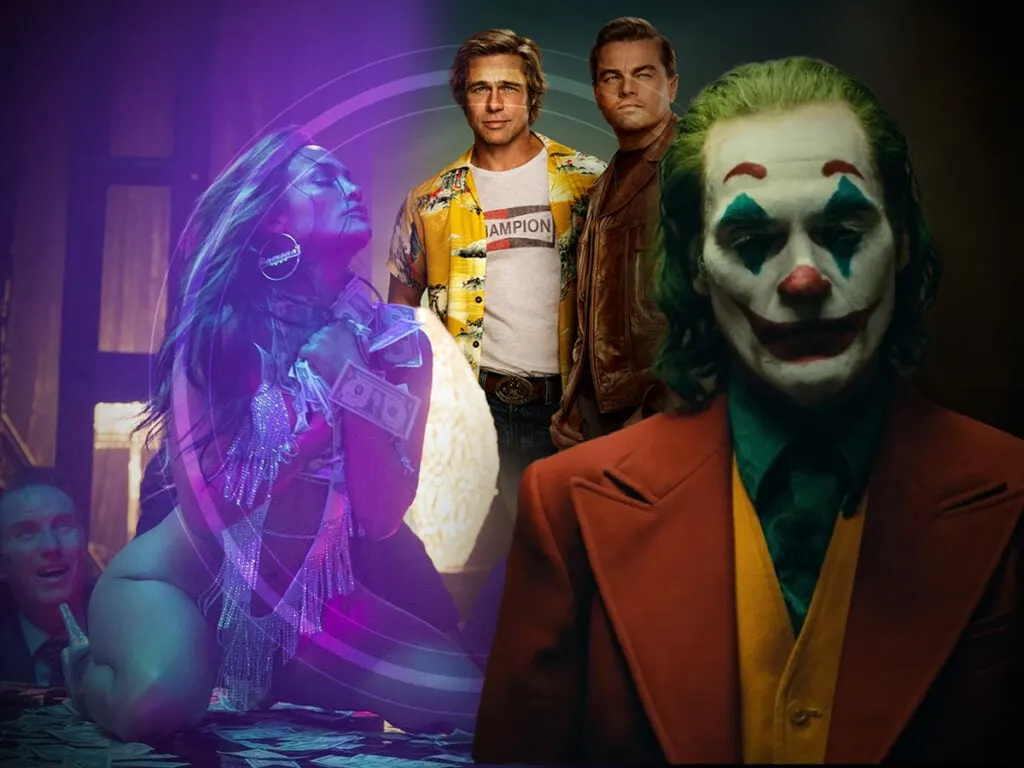
The article looks back at ten film controversies from the 2010s that it considers unusually disproportionate, arguing that online reaction often overwhelmed discussion of the films themselves. It distinguishes these flare-ups from more substantial debates, such as whitewashing and the use of high frame rates, and says some controversies were fuelled by people who had not seen the films.
Examples include Lars von Trier’s Cannes comments about Adolf Hitler, which overshadowed discussion of his film *Melancholia*, and criticism of *The Wolf of Wall Street* for its explicit content, despite its awards success and box-office record for Martin Scorsese. The article also describes how expectations after *Drive* contributed to a hostile reception for Nicolas Winding Refn’s *Only God Forgives*; the supplied text ends before the remaining examples are given.
- Online controversies often eclipsed discussion of the films themselves.
- The article separates serious industry debates from minor flare-ups.
- Its examples include films by von Trier, Scorsese and Refn.
New here? Start with this
The 2010s saw a number of film controversies that sparked intense debates online, often out of proportion to the actual issues at stake. These disputes frequently overshadowed meaningful discussion of the films themselves, with some outrage driven by people who had not even seen the works in question.
High-profile incidents included controversial remarks made by director Lars von Trier about Adolf Hitler at Cannes, which dominated conversation about his film Melancholia, and criticism of Martin Scorsese's The Wolf of Wall Street for its explicit content despite critical acclaim. Director Nicolas Winding Refn's Only God Forgives also encountered a hostile reception, partly because audiences had unrealistic expectations following his earlier film Drive.
These controversies were distinguished from more substantive debates within cinema, such as concerns about casting practices or technical innovations in filmmaking. The pattern illustrated how online reactions could sometimes overwhelm genuine critical discussion of films' artistic merit.
Both sides, in good faith
The strongest fair case each way — we don't pick a winner.
The case for
Advocates for this view contend that online outrage culture has decoupled criticism from substantive engagement with films themselves. They argue that social media incentivises rapid condemnation over nuanced discussion, allowing controversies to dominate discourse based on headlines or secondhand accounts rather than actual viewing. When reactions overshadow the work in question, this harms both creators and cinema's broader cultural conversation.
The case against
Those defending these controversies argue they represent important cultural accountability about representation, responsibility, and values in cinema. They maintain that criticism of problematic representation, harmful content, or troubling director statements is legitimate discourse, not mere outrage, and that such conversations—often led by voices historically excluded from elite film criticism—reflect genuine concerns about cinema's cultural impact. Requiring critics to see a film before commenting overlooks how media operates through promotional materials and documented patterns.