Eight in 10 homes in London’s poshest postcodes now sell below asking price, Coutts finds
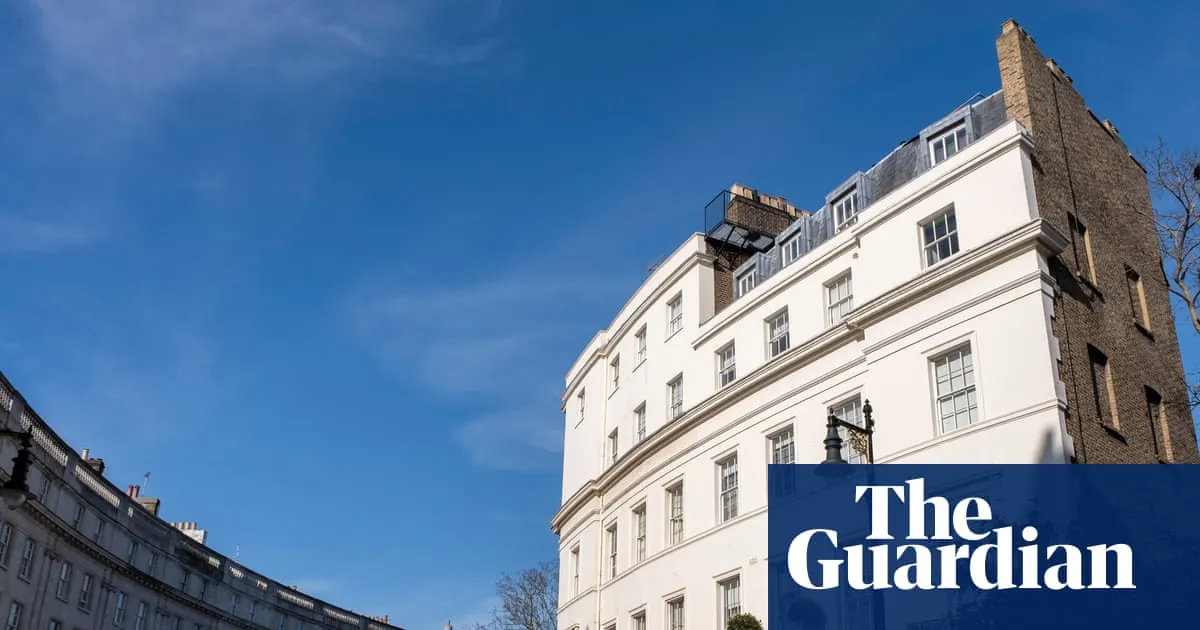
Eight in 10 homes in London’s most exclusive neighbourhoods are selling below their asking price, as falling values and cautious buyers weigh on the market. Coutts says prime central London prices fell 5% in the third quarter of 2026, leaving some sellers facing losses of hundreds of thousands of pounds or more.
Homes sold for an average 10% below asking price, while prices across the top end of the market are 14% below their 2014 peak. Knightsbridge and Belgravia are among the hardest-hit areas, with prices down 30.8% and 26.9% from their peaks; listings and transactions have also declined, although Savills recorded 26 sales above £10m in the quarter.
In short
- Eight in 10 prime London homes sell below asking price.
- Prices fell 5% in the third quarter.
- Sales above £10m remain active at the very top end.
Steelman: both sides, in good faith
The strongest fair case each way — we don't pick a winner.
The case for
The figures suggest London’s prime property market is undergoing a substantial correction: prices have fallen from their peak, sales are often below asking price, and fewer listings and transactions point to cautious demand. Buyers may reasonably see this as a sign that previous valuations were unsustainable and that sellers must adjust expectations to current conditions.
The case against
A fall from a peak does not by itself show that the market is broadly weak or that the decline will persist; prime property can be shaped by a small number of high-value transactions and shifting buyer confidence. The 26 sales above £10m show that demand remains among some buyers, while discounts to asking price may reflect ambitious initial pricing rather than equivalent falls in underlying value.
Explained simply
Prime central London includes areas such as Knightsbridge and Belgravia, where homes are often bought and sold for millions of pounds. Coutts, a private bank that tracks this part of the housing market, is one of several property firms and banks reporting on its prices.
The asking price is the amount a seller advertises; the final sale price is what the buyer agrees to pay. The gap between them can reflect how sellers value a home, what buyers can afford and how many people are looking to buy.
Changes in this market matter to homeowners, buyers and businesses that depend on property sales. A home’s sale price can also differ from what its owner originally paid, so a lower price does not by itself show whether the seller has made a loss.