Royal Navy plans to retire eight vessels by 2031 amid defence concerns
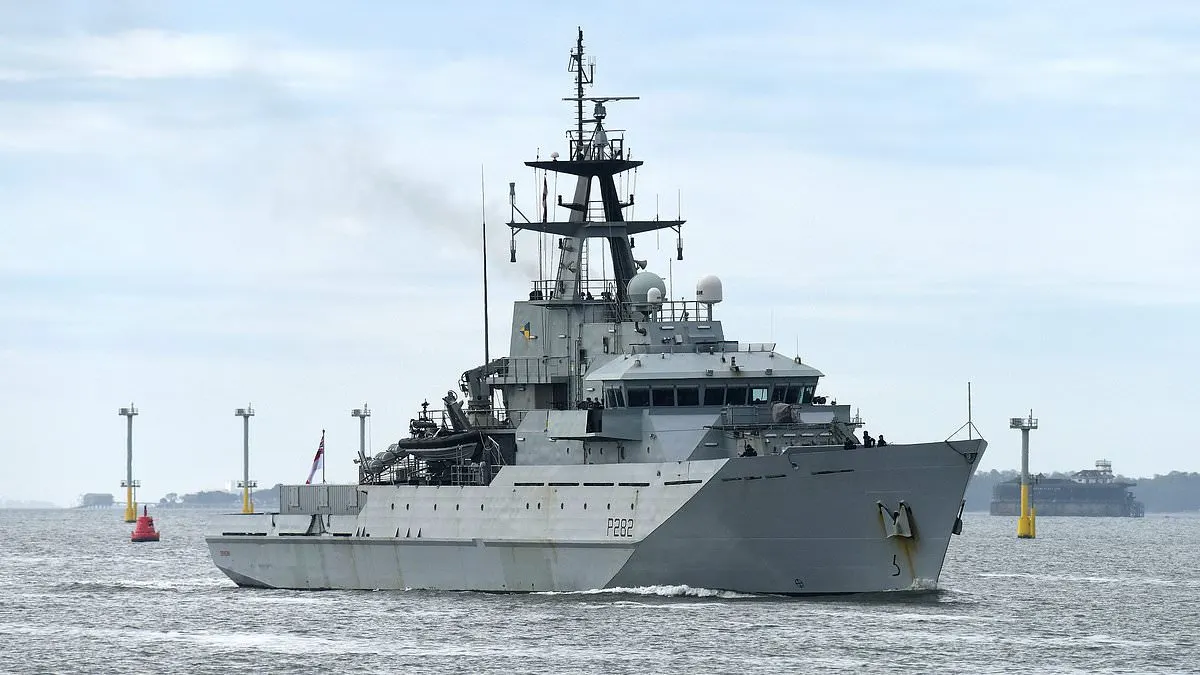
The Royal Navy is expected to retire eight ships by 2031, prompting concern about potential gaps in Britain’s maritime defences. Three offshore patrol vessels are due to leave service by 2028, followed by five minehunters, as the fleet faces wider cuts.
HMS Tyne, Severn and Mersey will each have served for 25 years by 2028. The Hunt-class minehunters HMS Ledbury, Cattistock, Brocklesby, Middleton and Hurworth entered service between 1981 and 1985; the Navy says it is replacing traditionally crewed vessels with autonomous mine-countermeasure systems. Separately, Reform UK leader Nigel Farage proposed making reservists’ service earnings tax-free to encourage recruitment.
- Eight Royal Navy ships are expected to retire by 2031.
- Three patrol vessels are due to leave service by 2028.
- The Navy says autonomous systems will replace traditional minehunters.
New here? Start with this
The Royal Navy is Britain’s naval service, responsible for protecting the country and its interests at sea. Its ships include offshore patrol vessels, which monitor waters and support maritime security, and minehunters, which find and help clear sea mines that can threaten ships and ports.
The vessels due to leave service are ageing ships, and the Navy says autonomous systems are intended to take over mine-countermeasure work. The timing and capability of replacements matter because any interval between old ships leaving and new systems becoming available could affect the Navy’s ability to carry out those tasks.
The wider debate is about how Britain maintains maritime defence while managing the size and cost of its armed forces. Reservists are civilians who train to serve in the military when needed; Farage’s tax proposal is a separate suggestion aimed at encouraging recruitment.
Read the full article at the source →
Originally published by Daily Mail as “Eight Royal Navy warships ‘are set to retire by 2031’ – fuelling fresh fears of gaps in Britain’s defences”.