Politics news and discussion on TalkFuse.
El-Sayed accuses Stevens of ‘relitigating’ primary after calls for apology on Israel
Developed over time first seen 4 days ago
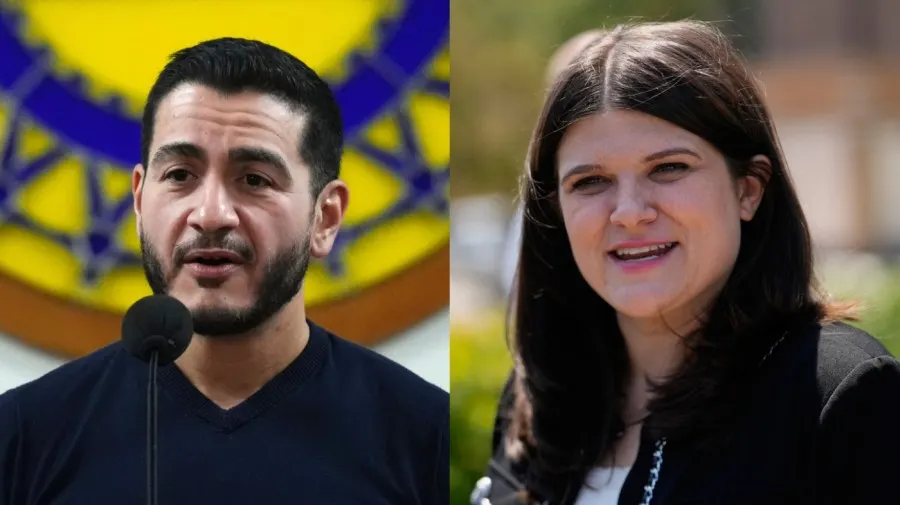
Abdul El-Sayed, the Democratic nominee for Michigan’s US Senate seat, accused his former primary rival, Representative Haley Stevens, of trying to ‘relitigate’ their August contest after she called for an apology over his comments about Israel. Stevens also urged him to condemn a digital advert by an independent political group that linked US support for Israel to high grocery prices. El-Sayed said his campaign had no connection to the advert and later said he disagreed with its contents. He argued that Democrats should focus on defeating Republican nominee Mike Rogers and addressing the cost of living.
The dispute reopened a division that had shaped their primary campaign. Stevens said El-Sayed had blamed Israel for Michigan’s inability to afford public services; a review of his remarks found that he had criticised US military aid to Israel but had also cited other causes of underfunded services. The two had been expected to appear together at a Detroit church service before election day. Instead, Stevens was asked not to attend the joint event and, on 1 November, endorsed Rogers, deepening the split in a closely contested race.
- Sources
- 2
- Outlets
- 2
- Left · Centre · Right
- 0 · 0 · 1
In short
- Stevens sought an apology over El-Sayed’s comments on Israel and an outside advert.
- El-Sayed accused her of revisiting their primary and distanced himself from the advert.
- After the clash, Stevens endorsed Republican Mike Rogers.
How this story developed
- 3 hours ago Abdul El-Sayed, the Democratic nominee for Michigan’s US Senate seat, accused his former primary rival, Representative Haley Stevens, of trying to ‘relitigate’ their August contest after she called for an apology over his comments about Israel.
Steelman: both sides, in good faith
The strongest fair case each way — we don't pick a winner.
The case for
El-Sayed’s strongest case is that the primary is over and Democrats should focus on defeating Rogers and addressing voters’ cost-of-living concerns. He says his campaign had no connection to the advert and that he disagrees with its message, so Stevens’s demands risk prolonging an internal dispute over claims he has already clarified.
The case against
Stevens’s strongest case is that candidates should clearly address rhetoric linking support for Israel to domestic hardship, especially when it may reinforce misleading blame or deepen divisions. She can argue that an explicit apology and condemnation of the advert would reassure voters and set a clear standard, rather than allowing the issue to be set aside for electoral unity.
Explained simply
Michigan’s US Senate seat is being contested by Abdul El-Sayed, the Democratic nominee, and Republican nominee Mike Rogers. El-Sayed secured the Democratic nomination in a primary, where voters chose which candidate would represent the party in the general election; Representative Haley Stevens was one of his rivals.
The disagreement centres on El-Sayed’s criticism of US military aid to Israel and how he described the effects of that spending on public services in Michigan. An independent political group also ran an advert connecting US support for Israel with high grocery prices, which El-Sayed said his campaign had no role in and whose contents he later rejected.
The dispute reflects divisions among Democrats over how to discuss Israel and domestic costs. It matters to the Senate race because party unity may affect the contest against Rogers, while voters decide who will represent Michigan in the US Senate.
Coverage · 2 sources
Americas Government Middle East Politics World