Engadget review recap: Samsung Galaxy Z Fold 8 Ultra, Dell XPS 13 and more
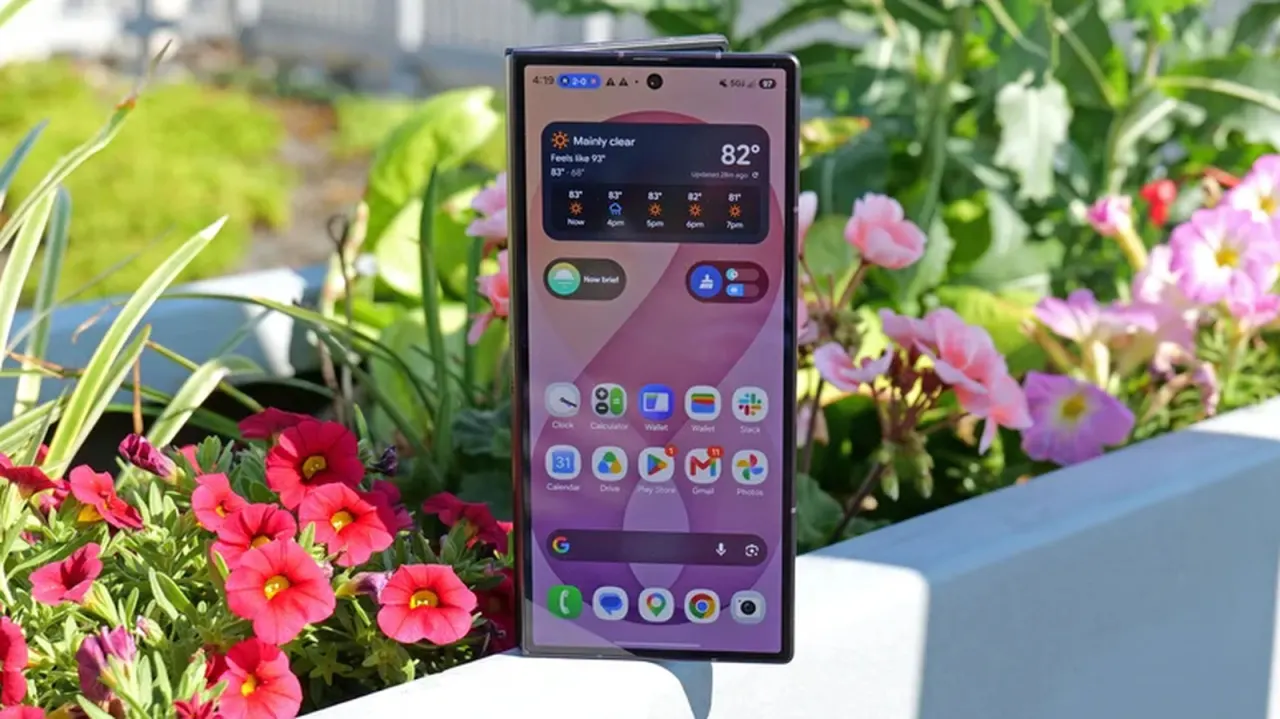
Engadget’s latest review roundup assesses five consumer technology products, finding a mixture of strong hardware and compromises around value or configuration. The Samsung Galaxy Z Fold 8 Ultra is seen as falling short of its potential, while Dell’s updated XPS 13 is criticised in its entry-level form; Samsung’s QS90H soundbar and Insta360’s X6 action camera receive more positive assessments.
The Z Fold 8 Ultra is considered less compelling than a device combining the standard Fold 8’s design with Ultra-level performance. Engadget advises avoiding the XPS 13’s 8GB base model in favour of 16GB RAM, praises the QS90H’s built-in bass and Convertible Fit design despite its high price, calls the X6 a worthwhile upgrade for owners of an Insta360 X4 or older, and says Lenovo’s Yoga Slim 7i Ultra Aura Edition is stylish and capable but expensive.
In short
- Fold 8 Ultra disappoints relative to its potential.
- XPS 13 needs 16GB RAM.
- Samsung soundbar and Insta360 camera impress.
Explained simply
Foldable phones use a flexible screen that opens out to give users more display space, while remaining compact when closed. Samsung sells these devices alongside its more conventional Galaxy phones, and its Fold range sits at the premium end of the market.
The other products in this roundup serve different needs: Dell’s XPS 13 is a lightweight laptop, Samsung’s QS90H is a soundbar for home audio, and Insta360’s X6 is a camera designed to capture action and surroundings. Lenovo’s Yoga Slim 7i is another portable laptop, so the comparisons touch on choices about performance, portability and price across several kinds of consumer technology.
These reviews matter to people deciding whether an upgrade or a higher-priced model offers enough benefit for them. Product configurations can also affect value: a laptop with less memory may suit fewer tasks than a better-equipped version, even when both share the same name.