Europe takes step toward social media ban for kids
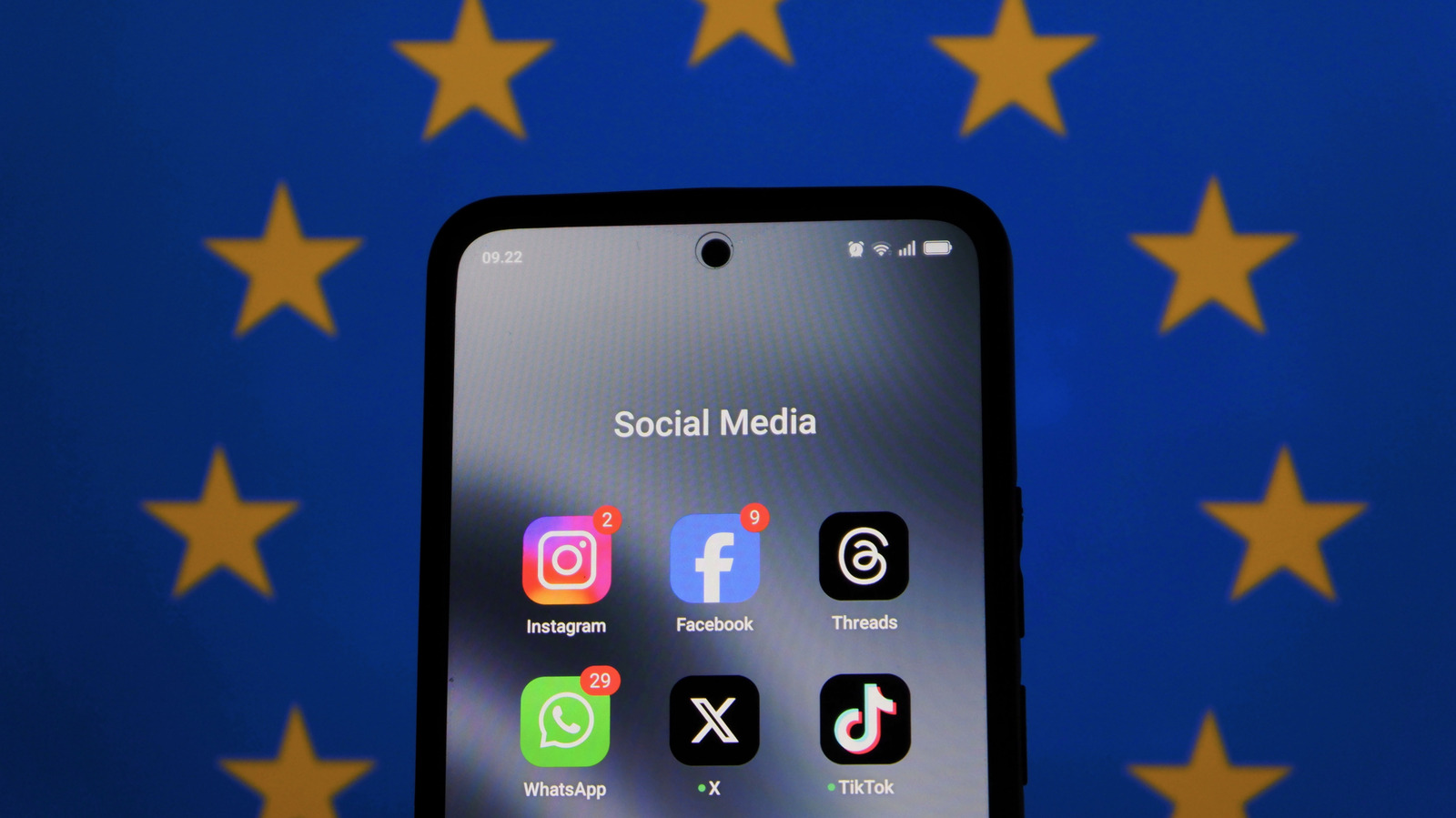
The European Commission has signalled that it may move towards restricting children’s access to social media after a new expert report linked heavy platform use to mental health and developmental concerns. Commission president Ursula von der Leyen said the issue is not simply whether children can use social media, but whether platforms should be allowed to reach children without age-appropriate limits. If the EU follows through, it would mark the biggest attempt yet by a major political bloc to curb children’s use of services such as TikTok and Instagram.
The report, written by child psychologist Dr Jörg M. Fegert and epidemiologist Dr Maria Melchior, found that children in Europe spend around four to six hours a day on social media, and said nearly 60 percent had experienced socio-emotional or mental health-related difficulties, including sleep, concentration, depression and anxiety problems. It recommended restricting access for under-13s unless supervised by a parent or teacher, limiting teens aged 13 to 18 to platforms with safety features such as controls on infinite scrolling, and allowing no screen access at all for children under three. Any EU-wide law would need agreement from all 27 member states, which could take time, but the Commission says it will review the findings and present a proposal after the summer; the move comes as countries including Australia, France, Germany, Spain and the US state of Florida have already pursued similar rules.
In short
- EU may restrict children’s access to social media
- Report links heavy use to mental health harms
- Any bloc-wide law would need all 27 states’ backing
Steelman: both sides, in good faith
The strongest fair case each way — we don't pick a winner.
The case for
The concern is protecting vulnerable children from demonstrable harms. Evidence links heavy social media use to depression, anxiety and sleep disruption, and platforms deliberately engineer addictive features that young minds cannot resist. When a technology poses clear risks to development and wellbeing, governments have a responsibility to establish guardrails—just as for other industries affecting children.
The case against
Whilst mental health concerns merit attention, restrictions present their own risks and may not address root causes like economic stress and school pressure. For many young people, especially marginalised communities, social media provides vital connection and identity expression that restrictions could eliminate. Enforcing age limits is practically difficult and may drive youth to less-regulated spaces, whilst better solutions lie in parental tools, algorithmic transparency and digital literacy.
Explained simply
The European Commission is considering restricting children's access to social media following a new report that links heavy use to mental health problems. The issue is not whether children should be able to use these platforms, but whether companies should be permitted to market them to young people without age restrictions. This could represent the most significant regulatory attempt yet by a major political bloc to control children's social media use.
A new expert report found that European children spend between four and six hours per day on social media, with nearly 60 percent experiencing mental health difficulties such as sleep problems, anxiety and depression. The researchers, child psychologist Dr Jörg M. Fegert and epidemiologist Dr Maria Melchior, recommended banning access for under-13s without parental or teacher supervision, restricting teenagers to platforms with safety features, and preventing all screen access for children under three. Commission president Ursula von der Leyen has indicated the EU will review the findings and present a proposal in the coming months.
Several other countries and regions are already pursuing similar rules, including Australia, France, Germany, Spain and the US state of Florida. Any EU-wide law would require approval from all 27 member states, which could be a lengthy process. The move reflects growing international concern about the impact of social media on young people's development and wellbeing.