Europe’s fires reveal deadly mix of record heat, human error, arson and land mismanagement
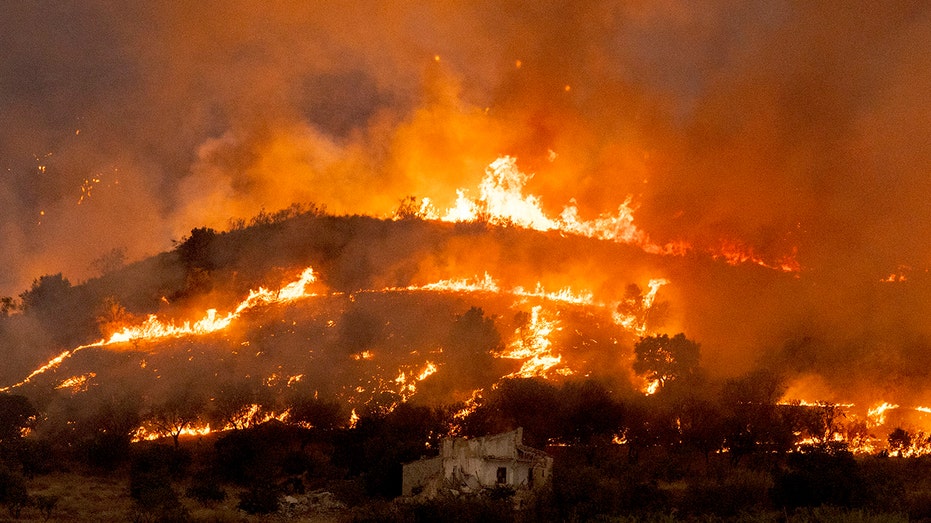
Wildfires have swept across Southern Europe since the start of July, with Spain and France among the worst affected, as a record-breaking heatwave grips the continent. The blazes have destroyed both buildings and woodland, with some witnesses describing scenes reminiscent of "Armageddon," while the accompanying heat has already contributed to thousands of deaths across the region.
Officials and observers note that the fires stem from more than just extreme heat, with human error, arson and poor land management also playing significant roles. Among the most notable incidents, the Fontainebleau Forest near Paris was deliberately set alight last week, destroying around 2,000 hectares (4,942 acres) of woodland.
In short
- Wildfires hit Spain and France amid record European heatwave
- Heat linked to thousands of deaths across the continent
- Arson blamed for Fontainebleau Forest fire near Paris
Explained simply
Southern Europe is experiencing a major wildfire crisis, with blazes destroying homes and forests across the region since early July. Spain and France have been among the worst affected countries, whilst a record-breaking heatwave has simultaneously contributed to thousands of heat-related deaths across the continent.
The fires stem from multiple causes beyond extreme weather alone. Investigators have identified human error, arson and inadequate land management as significant contributing factors. For example, the Fontainebleau Forest near Paris was deliberately set alight last week, destroying approximately 2,000 hectares of woodland.
This is significant because of the scale and severity of the crisis, which has caused extensive loss of life and property damage across a large portion of Southern Europe. The involvement of multiple factors—extreme heat, human actions, and land management issues—makes this a complex emergency that authorities are continuing to address.