Smartphone makers show poor compliance with EU right-to-repair scheme
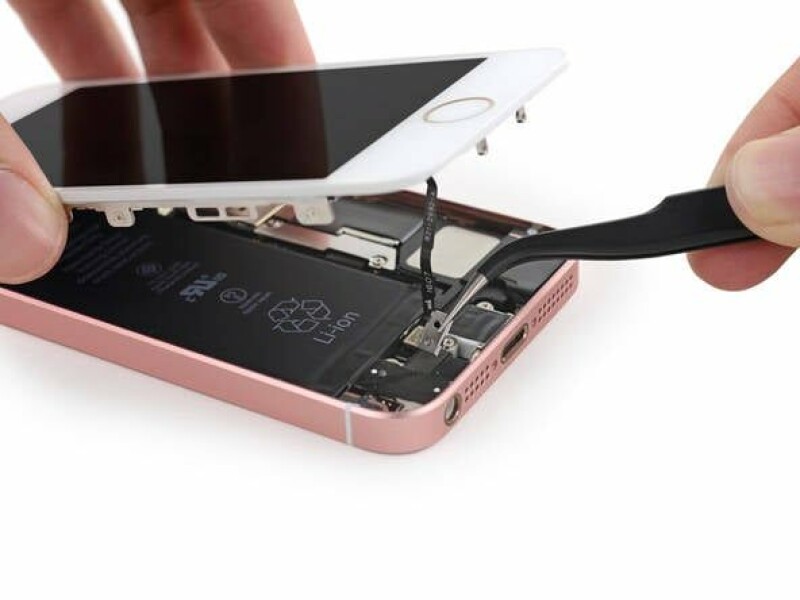
A Register column argues that the EU's new right-to-repair enforcement mechanism for mobile device makers has largely failed in its first year, but contends this is grounds for tightening the rules rather than scrapping the initiative. The scheme required manufacturers to register full technical documentation and spare parts availability through online portals, relying on self-certification, which most companies appear to have treated as a box-ticking exercise rather than a genuine obligation.
After a year in operation, the registry holds roughly 2,300 entries, of which only about 18 percent are close to compliant, with the remainder containing gaps, misleading information or unusable data; Chinese manufacturers reportedly fare best under the current system. The author draws parallels with the FCC's equipment authorisation process and the Black Duck 2026 Open Source Security and Risk Analysis Report's finding that 68 percent of commercial codebases have open-source licence conflicts, arguing that patchy initial compliance is typical of new regulatory regimes and that self-certification can evolve into formal verification, with e-commerce platforms eventually required to display valid approval numbers.
- EU right-to-repair registry has only ~18% genuine compliance after one year
- Self-certification let manufacturers largely ignore documentation requirements
- Author says fix enforcement, don't abandon right-to-repair regulation
Entertainment Europe Music World
Read the full article at the source →
Originally published by The Register as “Europe’s right-to-repair rules are broken, not beaten”.