World news and discussion on TalkFuse.
Everything could get more expensive, Australia: Dollar drops to a 10-month low amid warnings it could fall even further – what it means for your wallet
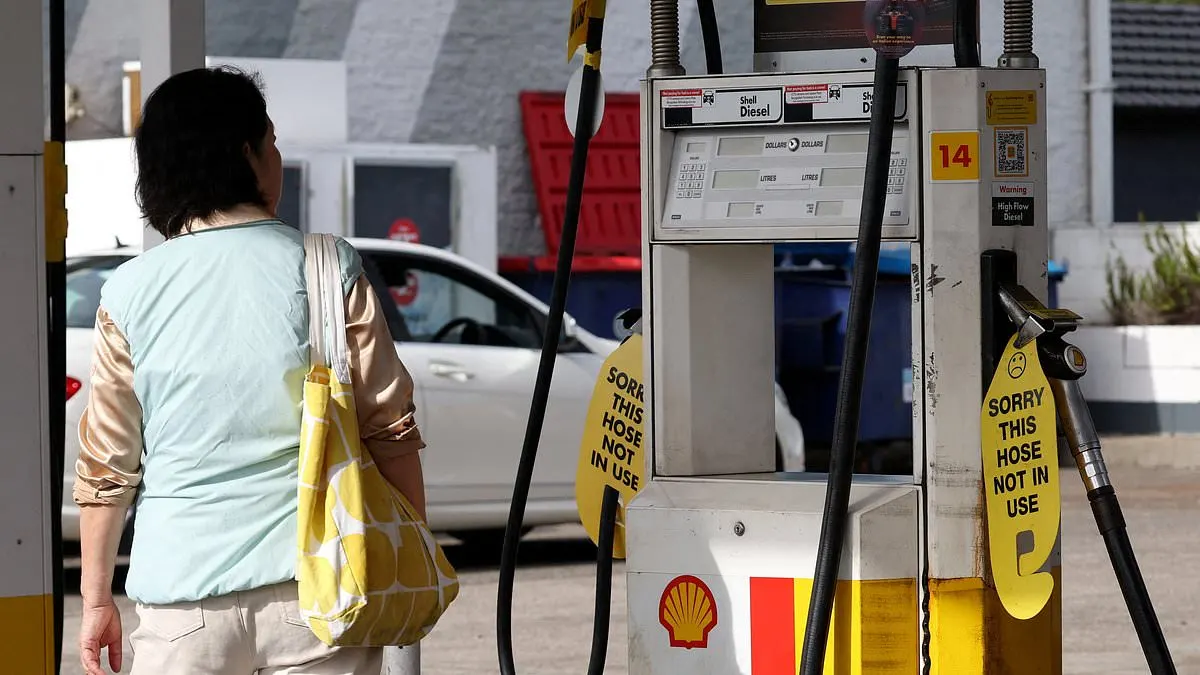
The Australian dollar fell to US67.4 cents on Monday, its lowest level in ten months, raising the prospect of higher costs for imported goods, fuel and overseas travel. If the currency stays weak, import costs could feed through to shop prices and add to inflation, making it harder for the Reserve Bank to reduce interest rates.
Economist Leith van Onselen said Australia’s reliance on imported fuel could put upward pressure on petrol and diesel prices, though the effect may take time to reach consumers. He attributed some of the currency’s decline to falling iron ore prices, while NAB strategist Rodrigo Catril warned it could fall further as US interest rates are expected to rise and markets anticipate the Reserve Bank may move in the opposite direction.
In short
- The Australian dollar fell to US67.4 cents, a ten-month low.
- A weak currency can make imports, fuel and overseas trips cost more.
- Falling iron ore prices and interest rate expectations are weighing on it.
Steelman: both sides, in good faith
The strongest fair case each way — we don't pick a winner.
The case for
A weaker Australian dollar can make imported fuel, goods and overseas travel more expensive, and sustained higher import costs may add to inflation. Given Australia’s reliance on imported fuel, advocates of this concern argue that the currency’s further decline could squeeze household budgets and make it harder for the Reserve Bank to cut interest rates.
The case against
The fall in the dollar does not mean every household cost will rise immediately or by the same amount; the effect depends on how long the currency stays weak and how much businesses pass on to customers. Advocates of a more cautious reading would point to the reported lag before fuel costs reach consumers and argue that exchange rates move with changing market expectations, so the current level alone does not establish how prices or interest rates will develop.
Explained simply
Australia’s dollar is the value of its currency compared with other currencies, including the US dollar. When it weakens, Australian businesses generally need more Australian dollars to buy goods priced overseas, such as fuel and some food, clothing and electronics.
The Reserve Bank of Australia sets interest rates to help keep inflation under control. Higher import costs can add to inflation, which may affect how quickly the bank can lower rates; the impact on prices can take time and depends on other costs and market conditions.
Iron ore is one of Australia’s major exports, so changes in its price can influence demand for the Australian dollar. Interest rate expectations in Australia and the United States also affect how investors value the two currencies.