Ex-gang boss sentenced to 40 years for orchestrating Tupac Shakur’s murder
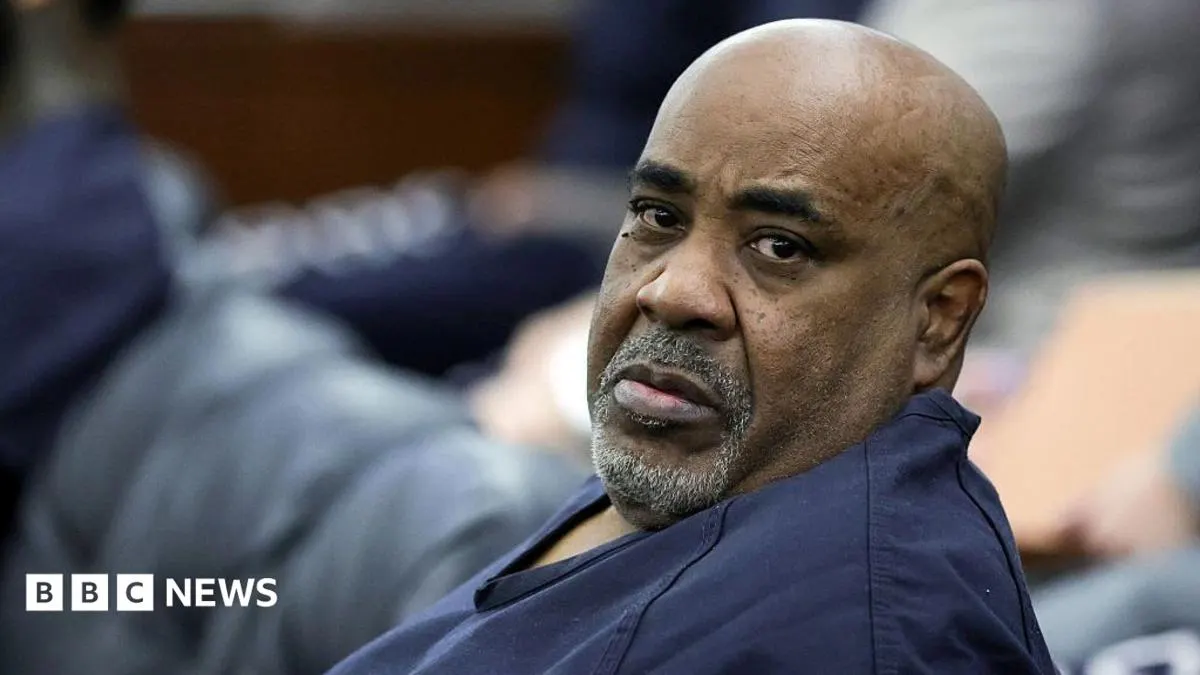
Duane “Keffe D” Davis, a former gang boss, has been sentenced to at least 40 years in prison for orchestrating Tupac Shakur’s 1996 murder. His conviction marks the first in a case that remained one of America’s best-known cold cases for nearly three decades, and Davis says he will appeal.
The 63-year-old was convicted in September of murder with a deadly weapon. Prosecutors said he ordered the drive-by shooting and supplied the gun used by his nephew, Orlando Anderson, although Davis was not the shooter. Evidence included Davis’s statements to police and his 2019 memoir; Shakur’s sister told the court the loss had crippled her family. Shakur was 25 and had sold more than 75 million records worldwide.
- Duane Davis received at least 40 years in prison.
- Prosecutors said he arranged the 1996 drive-by shooting.
- Davis says he will appeal his conviction.
New here? Start with this
Tupac Shakur was a hugely successful American rapper who was shot in a car in Las Vegas in 1996 and died six days later, aged 25. The killing followed a fight at a casino involving Shakur and members of a rival gang.
The case remained unsolved for decades. Duane “Keffe D” Davis was later accused of arranging the shooting; prosecutors said his nephew Orlando Anderson fired the gun. Davis has said he was in the car but was not the shooter. The case drew lasting attention because of Shakur’s influence in music and the long-running questions over who was responsible for his death.