External HDD vs. SSD: What are the pros and cons of each drive type?
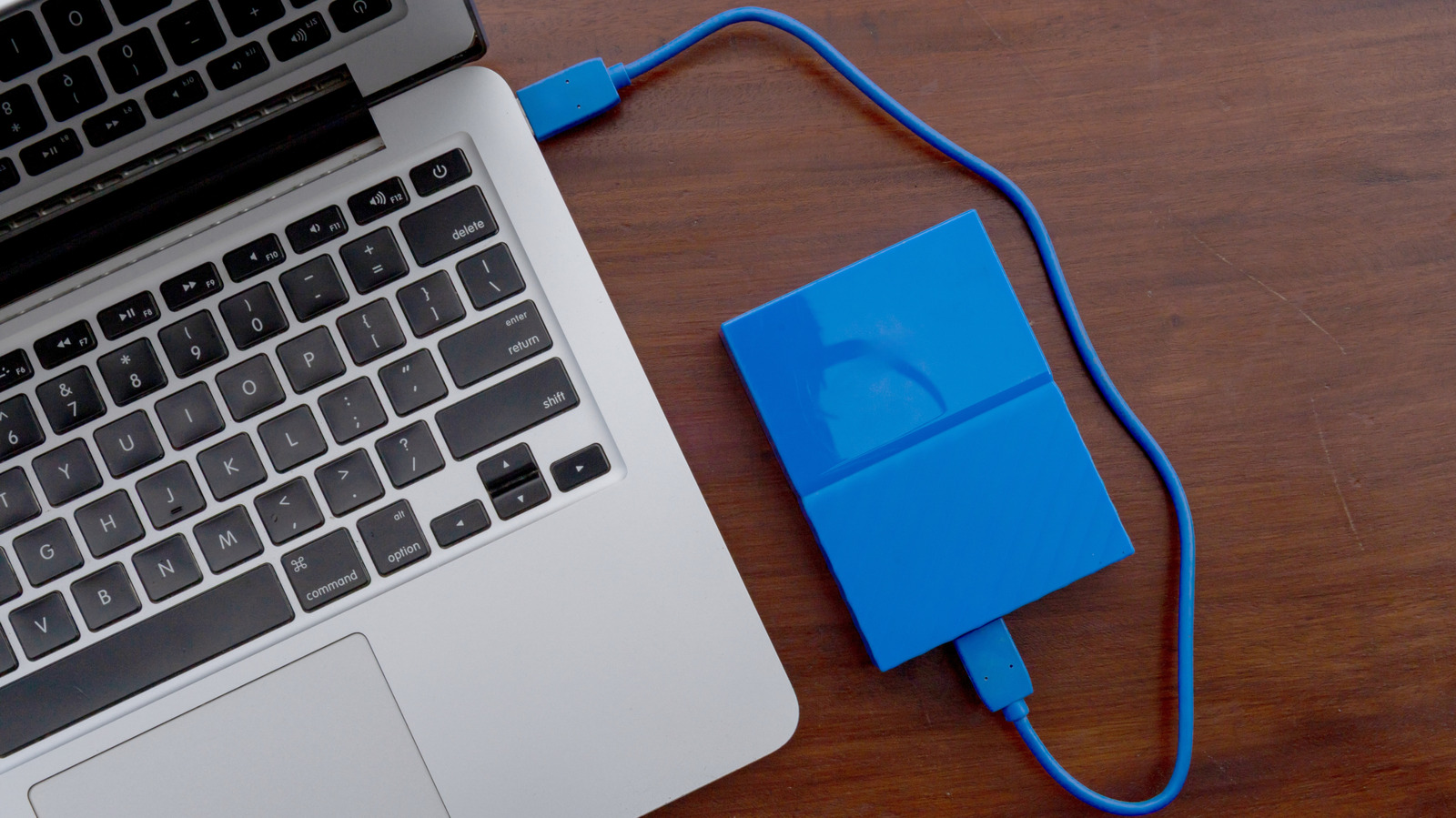
This article compares external solid-state drives (SSDs) and hard disk drives (HDDs), explaining that while SSDs are the more modern technology, they are not always the better choice for every user. The decision matters because storage and RAM prices are currently high, making it less feasible for many buyers to simply purchase one of each type, so choosing the right drive for a specific use case has become more important.
External SSDs are significantly faster, with speeds of 500MB/s or above compared to roughly 100MB/s for HDDs, making them ideal for frequent file transfers or editing photos and video. They are also lighter, quieter, more power-efficient and more resistant to bumps and drops due to having no moving parts, but this comes at a much higher cost per gigabyte, illustrated by a 1TB Samsung SSD priced around $232 versus a 2TB Seagate HDD at $130. HDDs, by contrast, offer far more storage for the money, especially at capacities of 4TB and above, making them better suited to permanent desktop backup use, though they are slower, noisier and more vulnerable to damage from drops or extreme temperatures.
- SSDs are faster, lighter and more durable but cost more per gigabyte
- HDDs offer far more storage for the money, especially above 4TB
- Choice depends on use case: portability and speed versus cheap bulk storage