Politics news and discussion on TalkFuse.
Failing Grayling double reports for duty as Reform’s armed forces spokesperson | John Crace
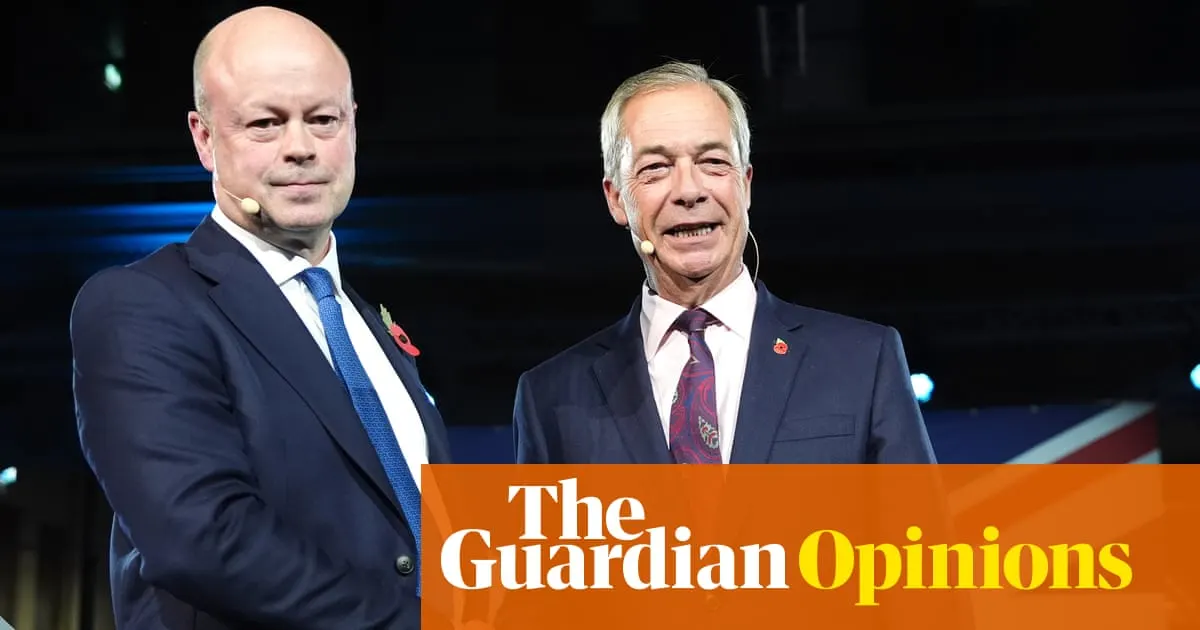
Nigel Farage introduced former RAF wing commander Angus MacIntyre as Reform UK’s armed forces spokesperson at a London press conference. The article argues that the appointment came amid signs of strain within the party and mocks the event’s claims of Reform’s defence expertise.
MacIntyre resigned from the RAF after 40 years’ service, while Reform had not previously named a defence spokesperson and had limited parliamentary involvement in defence matters, according to the article. Farage said the world was more dangerous than at any point in 80 years and criticised the proposed 3.5% of GDP defence spending target for 2035, but did not set out a higher figure or how it would be funded.
In short
- Angus MacIntyre was named Reform UK’s armed forces spokesperson.
- He left the RAF after 40 years’ service.
- Farage criticised the 2035 defence spending target without proposing an alternative.
Steelman: both sides, in good faith
The strongest fair case each way — we don't pick a winner.
The case for
Appointing a former RAF wing commander with four decades of service could bring practical military experience to a party that has had little parliamentary involvement in defence. MacIntyre’s role may help Reform develop a more coherent policy as security risks grow, and Farage’s criticism of the proposed spending target raises a legitimate question about whether it is adequate.
The case against
Military service alone does not establish that a party has a credible defence policy or the expertise to scrutinise one. Without a stated alternative spending target, a funding plan or a record of parliamentary work on defence, the appointment may not answer questions about how Reform would turn its warnings into practical policy.