Fans Hated John Cena as a WWE Villain, But He’s Perfect As ‘Coyote vs. Acme’s Bad Guy
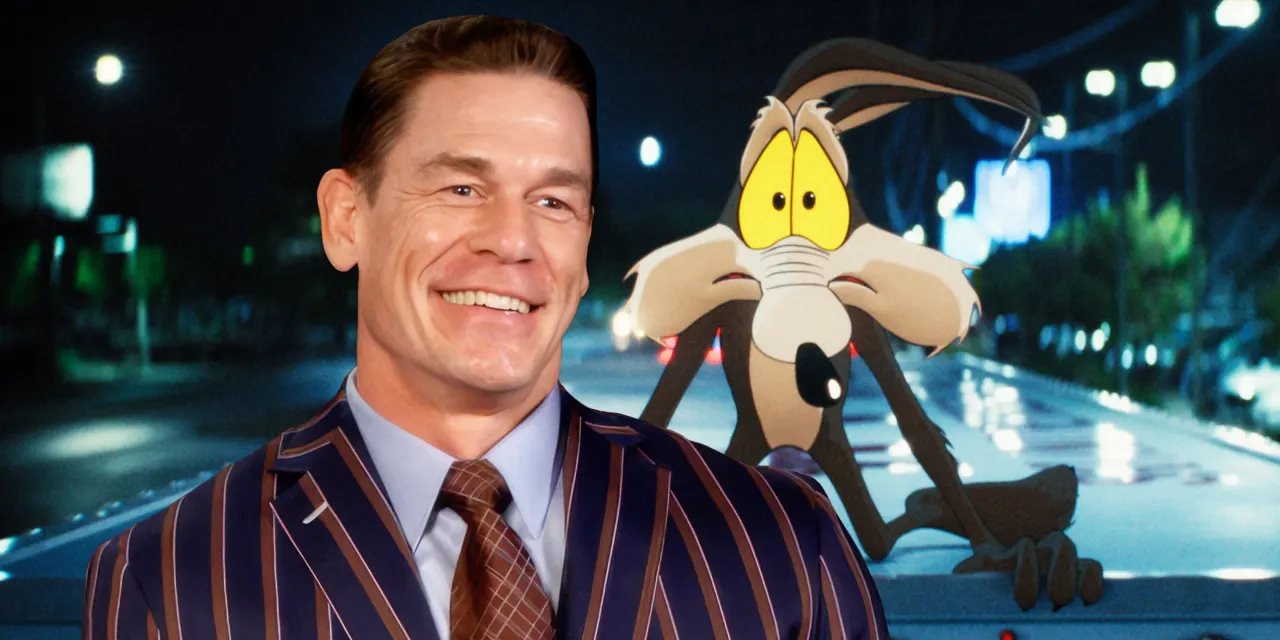
John Cena’s performance as the villain Buddy Crane in Coyote vs. Acme is presented as a much stronger use of his darker side than his unsuccessful WWE heel turn. The article argues that, while wrestling fans rejected the late attempt to recast Cena as a bad guy, the film gives him clearer writing, direction and a role that suits his comic energy.
Cena plays Acme’s ruthless chief legal adviser, opposing Wile E. Coyote and his lawyer Kevin Avery, played by Will Forte, as they seek to expose the company’s wrongdoing. His WWE turn began with a betrayal of Cody Rhodes at Elimination Chamber Toronto in early 2025, but was soon abandoned before SummerSlam; by contrast, Buddy Crane is portrayed as an unapologetically unpleasant villain whose exaggerated style works well alongside Looney Tunes characters.
- Cena’s film villainy succeeds where his WWE heel turn failed.
- Better writing and direction make Buddy Crane effective.
- WWE ended Cena’s villain storyline before his final retirement run.
New here? Start with this
John Cena is an American wrestler and actor who became one of WWE’s biggest stars during the 2000s and 2010s. For most of that time he was presented as a heroic character, but WWE briefly changed him into a villain, known in wrestling as a “heel”, in 2025.
Coyote vs. Acme is a comedy based on the Looney Tunes cartoons, in which Wile E. Coyote regularly uses defective products from the fictional Acme company while trying to catch the Road Runner. The film follows the coyote taking legal action against Acme with the help of a lawyer played by Will Forte.
Cena plays Buddy Crane, Acme’s senior lawyer and the main opponent in the court case. The story compares this deliberately exaggerated film villain with Cena’s wrestling character change, focusing on how the two formats use his more hostile screen persona differently.
Both sides, in good faith
The strongest fair case each way — we don't pick a winner.
The case for
Supporters argue that Buddy Crane gives John Cena the ingredients his WWE heel turn lacked: a clearly defined purpose, consistent character writing and a comic world where broad villainy is an advantage. His physical presence and willingness to play arrogance can serve a deliberately cartoonish corporate antagonist, while the role lets audiences enjoy disliking him without asking them to reject years of emotional investment in him as a wrestling hero.
The case against
Critics may argue that the comparison understates the different demands of film acting and professional wrestling. A WWE heel turn must work over months with live crowds, ongoing stories and fan expectations, whereas a scripted film role is tightly controlled by writers and directors; a rushed or poorly sustained wrestling angle need not show that Cena is unsuited to darker character work. They may also contend that some fans value the unpredictability and emotional stakes of a wrestling reinvention more than the relative safety of a conventional comic-book-style villain.